
- Your cart is empty
- Continue shopping
-
sales@primiumpoppypods.com
- Posted on
- Categories:Uncategorized
- 0 comments
Dried Poppy Pod Heads: Uses, History, and Cultural Significance
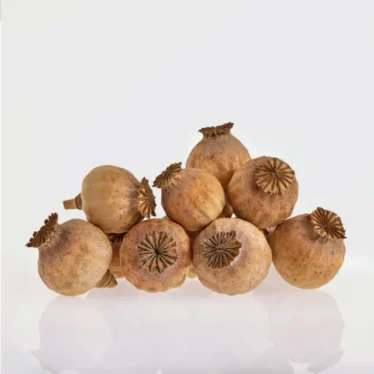
Dried poppy pod heads come from the plant Papaver somniferum, commonly known as the opium poppy. These distinctive seed pods remain after the flower petals fall and the seeds mature. Once harvested and dried, the pods develop a hard, woody texture and a unique natural pattern that makes them recognizable in both botanical and decorative contexts. While poppy pods have long been associated with traditional medicine and culinary seeds, dried poppy pod heads today are most commonly valued for ornamental, educational, and craft uses.
Botanical Background
The opium poppy belongs to the poppy family (Papaveraceae). After the poppy flower blooms—often displaying striking colors such as white, pink, purple, or red—the petals eventually fall away, leaving behind a rounded seed capsule. This capsule is the poppy pod head.
Inside the pod are hundreds or even thousands of tiny seeds. In culinary contexts, these seeds are harvested and widely used in baking, pastries, and cooking around the world. However, when the entire capsule is harvested and dried intact, it becomes what is commonly referred to as a dried poppy pod head.
Dried pods typically measure between 2 and 6 centimeters in diameter depending on the variety and growing conditions. They are usually light brown or tan and feature a crown-like structure at the top called the stigma disc.
Historical Context
Poppies have been cultivated for thousands of years. Archaeological evidence suggests that Papaver somniferum was grown in ancient civilizations around the Mediterranean, including in regions of present-day Greece and Turkey. In these early societies, poppies were valued for their seeds, oils, and medicinal properties.
Throughout history, the poppy has also held symbolic meaning. In ancient mythology, poppies were associated with sleep, peace, and dreams due to their sedative properties. The plant’s imagery appears in artwork, literature, and cultural traditions across Europe and Asia.
In modern times, poppy flowers have also become symbols of remembrance for soldiers lost in war, particularly after the widespread growth of poppies on battlefields during World War I.
Decorative and Craft Uses
Today, dried poppy pod heads are widely used in decorative arrangements and crafts. Their sculptural shape and natural texture make them popular in:
- Floral arrangements and dried bouquets
- Rustic home décor
- Wreath making
- Potpourri blends
- Botanical displays
Florists and interior designers often appreciate the pods for their earthy tones and architectural appearance, which add visual interest to arrangements. Because they are naturally durable, dried poppy pods can last for years when kept in dry conditions.
Artists and craft enthusiasts also incorporate them into handmade projects, including seasonal decorations and natural art installations.
Educational and Botanical Interest
Beyond decoration, dried poppy pod heads are frequently used in botanical studies and educational settings. They provide a clear example of plant reproductive structures, making them useful for teaching about seed formation and plant anatomy.
Botanical collectors and plant enthusiasts may also preserve dried pods as part of seed-saving collections or natural specimen displays.
Legal and Regulatory Considerations
Because Papaver somniferum is the same species used to produce opium and related compounds, the cultivation and sale of poppy plants or pods can be subject to regulation in some countries. Laws vary significantly depending on the region, and individuals should always review local regulations before growing or purchasing poppy pods.
In many places, dried poppy pods are sold strictly for decorative or educational purposes.
Conclusion
Dried poppy pod heads combine botanical intrigue, historical significance, and decorative appeal. From ancient agricultural traditions to modern floral design, these natural seed capsules continue to capture interest across cultures. Whether used in crafts, botanical study, or interior décor, they remain a fascinating example of the beauty and complexity found in plant life.
