
- Your cart is empty
- Continue shopping
-
sales@primiumpoppypods.com
- Posted on
- Categories:Uncategorized
- 0 comments
Brewing Poppy Pod Tea: Methods, History, and Safety Considerations
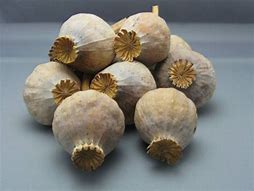
Brewing poppy pod tea is a topic that often appears in discussions about traditional plant-based preparations. The tea is made from the dried seed pods of the opium poppy (Papaver somniferum), a plant that has been cultivated for thousands of years. While poppy seeds are widely used in foods such as breads and pastries, the pods themselves can contain naturally occurring alkaloids, including morphine and codeine. Because of this, understanding the brewing process and the associated risks is essential for anyone researching this preparation.
Historical Background
The opium poppy has a long history in agriculture and traditional medicine. Ancient civilizations in regions such as the Mediterranean and parts of Asia cultivated the plant for both its seeds and its latex. Over time, different methods developed for extracting compounds from the plant, including soaking or steeping parts of the dried pods in water to create a tea.
Today, brewing poppy pod tea is sometimes discussed in herbal forums and historical contexts, although its use remains controversial due to the presence of opioid compounds.
Basic Ingredients
Brewing poppy pod tea typically requires only a few ingredients:
- 3–5 dried poppy pods
- 4 cups of water
- Optional flavorings such as honey, lemon, ginger, or cinnamon
The quality and origin of the pods can influence the final result, as the chemical composition of poppy plants varies widely depending on growing conditions and plant variety.
General Brewing Method
1. Prepare the pods
The first step is to break or crush the dried pods into smaller pieces. This helps increase the surface area of the plant material, allowing compounds to dissolve more easily into the water.
2. Heat the water
Bring four cups of water to a boil and then reduce the heat so the water remains hot but not vigorously boiling. Many people prefer a gentle simmer to avoid overly harsh flavors.
3. Steep the pods
Add the crushed pods to the hot water and allow them to steep for approximately 15–20 minutes. Stirring occasionally can help ensure the plant material is evenly exposed to the water.
4. Strain the tea
After steeping, pour the liquid through a fine mesh strainer or cheesecloth into another container. This removes the solid pod pieces and results in a smoother drink.
5. Improve the flavor
Poppy pod tea is often described as bitter or earthy in taste. Flavorings such as honey, lemon juice, or spices like cinnamon or ginger can make the tea more palatable.
Variability in Potency
One of the most important aspects to understand about brewing poppy pod tea is the variability in potency. The alkaloid content in poppy pods can differ dramatically depending on factors such as:
- Plant genetics
- Soil and climate conditions
- Harvesting and drying methods
Because of these variables, two batches of pods may produce very different results even when brewed using the same method.
Safety and Legal Awareness
Due to the presence of opioid alkaloids, poppy pod tea can have strong and unpredictable effects. Combining it with alcohol, sedatives, or other depressant substances may increase health risks.
Additionally, laws regarding poppy pods vary widely across countries and regions. In some places, possession or processing of poppy pods may be restricted or regulated. Anyone researching this topic should be aware of local regulations before obtaining or using poppy pods.
Conclusion
Brewing poppy pod tea involves a relatively simple preparation process, but the topic carries significant safety and legal considerations. Understanding the plant’s history, the basic brewing method, and the variability in potency can help readers approach the subject with greater awareness. As with any plant containing active compounds, careful research and caution are essential.
