
- Your cart is empty
- Continue shopping
-
sales@primiumpoppypods.com
- Posted on
- Categories:Uncategorized
- 0 comments
The Magic of Blue Poppy Seeds for Planting
Blue Poppy Seeds for Planting open the door to one of the most enchanting sights in the gardening world — the delicate, sky-blue blooms of the Himalayan blue poppy. Known scientifically as Meconopsis betonicifolia, this rare flower is admired for its stunning color and graceful presence. Gardeners who grow blue poppies are often rewarded with a truly magical display that feels like a piece of the Himalayas brought to life.
Origins and Natural Habitat
The Himalayan blue poppy comes from the cool, misty mountains of Tibet, Bhutan, and western China. It thrives in damp, shaded areas where the soil stays moist and the air is cool. The flower was introduced to Europe in the early 1900s by explorers such as George Forrest, who marveled at its breathtaking blue petals. Since then, it has become a symbol of beauty, rarity, and perseverance among garden enthusiasts.
Understanding Blue Poppy Seeds for Planting
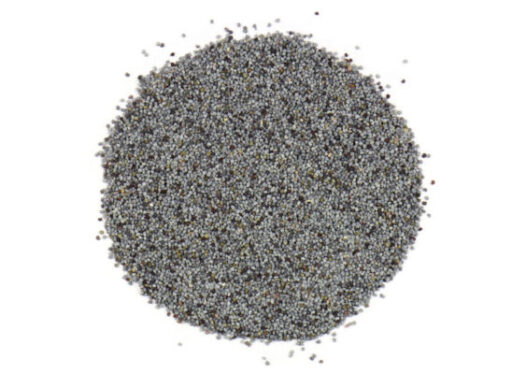
Blue poppy seeds are tiny, lightweight, and dark in color. Each flower pod produces hundreds of seeds, making them ideal for propagation. However, these seeds are known for being a bit challenging to grow. They require patience, careful preparation, and the right environment to flourish. For gardeners who enjoy nurturing rare plants, this challenge is part of the reward.
When purchasing Blue Poppy Seeds for Planting, always choose fresh, high-quality seeds from a trusted supplier. Look for varieties labeled Meconopsis betonicifolia or Meconopsis baileyi, as these are the most well-known blue poppy species for gardens.
How to Plant Blue Poppy Seeds
To start, blue poppy seeds need a cold period to encourage germination. Place them in a refrigerator for three to four weeks before sowing. This process, called stratification, mimics the natural winter conditions of their native habitat.
Next, prepare seed trays filled with a fine, well-draining compost mix. Scatter the seeds on the surface and press them lightly without covering them, as they need light to germinate. Keep the soil consistently moist but never waterlogged. The ideal temperature for germination is cool — around 55°F (13°C).
Once seedlings emerge, handle them carefully and transplant them into individual pots when they are large enough. Move them outdoors after the last frost, choosing a spot with partial shade and rich, moist soil. Blue poppies prefer cooler climates, so protecting them from strong sun or dry conditions is essential.
Care and Maintenance
Blue poppies need consistent moisture, especially during their growing season. Adding organic mulch can help retain soil dampness and keep roots cool. Remove faded flowers to encourage stronger growth and, in time, more blooms.
Conclusion
Growing Blue Poppy Seeds for Planting is both a challenge and a joy. These remarkable flowers reward patient gardeners with dazzling blue petals that shimmer in the shade. With the right care, cool temperatures, and steady moisture, you can cultivate a rare and stunning addition to your garden. The Himalayan blue poppy is more than just a flower — it’s a symbol of beauty, dedication, and the magic of nature’s most captivating colors.
