
- Your cart is empty
- Continue shopping
-
sales@primiumpoppypods.com
- Posted on
- Categories:Uncategorized
- 0 comments
Are Dried Poppy Pods Legal? An Overview
“Are dried poppy pods legal?” is a question that many buyers, collectors, and enthusiasts ask. Dried poppy pods often raise legal concerns because of their connection to the opium poppy plant. Although people commonly use them for decoration or crafts, laws differ widely depending on the country and intended use. Anyone who plans to buy, sell, or possess them should understand the legal framework first.
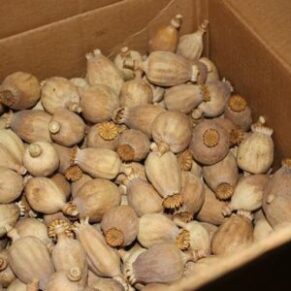
Understanding Dried Poppy Pods
Farmers harvest dried poppy pods from the opium poppy plant (Papaver somniferum), which produces both poppy seeds and opiate compounds. After collecting the seeds, producers dry the remaining pod and sell it for floral arrangements or ornamental displays. Despite their harmless appearance, these pods still contain trace alkaloids, which explains why many authorities regulate them.
Legal Status Around the World
Laws governing dried poppy pods vary significantly across countries. In some parts of Europe, vendors can sell them for decorative purposes as long as buyers avoid using them for extraction. By contrast, U.S. authorities classify dried poppy pods as controlled substances because they can be used to produce opiate extracts, even though poppy seeds remain legal.
Within the United Kingdom, authorities treat dried poppy pods as a legal gray area. Shops may offer them for decoration, but the law prohibits their use for consumption or extraction. Meanwhile, Australia enforces stricter controls, and officials often require permits for possession.
Why Governments Regulate Dried Poppy Pods
Governments impose regulations on dried poppy pods to prevent misuse. Even after drying, the pods contain compounds such as morphine and codeine. While the concentrations remain relatively low, individuals can still extract these substances. To reduce the risk of illegal drug production and protect public health, authorities enforce these restrictions.
This regulatory approach allows decorative use while discouraging harmful activities. In some cases, however, authorities may still penalize possession if they suspect misuse, especially when large quantities are involved.
Risks Before You Buy or Possess
Before purchasing dried poppy pods, buyers should review local laws carefully. Regulations can change over time, and enforcement may vary between regions. Importing or exporting these items can also lead to complications when countries apply different legal standards.
Some online sellers fail to clearly explain the legal restrictions associated with dried poppy pods. As a result, buyers may misunderstand the risks and face unintended legal consequences. Staying informed and cautious helps reduce the likelihood of fines or penalties.
Conclusion
Dried poppy pods present a complex legal issue that depends on both location and intended use. While some countries allow decorative sales, others strictly control or prohibit them. For this reason, anyone interested in purchasing or using dried poppy pods should research local regulations and comply with them fully. A clear understanding of the law helps ensure safe and responsible decisions.
