
- Your cart is empty
- Continue shopping
-
sales@primiumpoppypods.com
- Posted on
- Categories:Uncategorized
- 0 comments
Poppy Seeds: The Complete Guide to Types, Nutrition, Recipes, Growing & Buying
Tiny, slate-blue, and bursting with personality, poppy seeds have earned a spot in kitchens and gardens all over the world! You’ve spotted them crowning a fresh bagel, tasted them in a lemon-poppy seed muffin, and maybe admired their deep color without a second thought. But once you really get to know these little seeds, they’ll earn a permanent place in your pantry.
This is your complete guide. We’ll walk through what poppy seeds are, the different types you can buy, their nutrition and health perks, how to cook with them, how to grow them from scratch, how to use dried pods for décor, how to store them, and how to pick the freshest, highest-quality seeds around. Whether you’re a weekend baker, a curious gardener, or a crafter hunting for pods, you’ll find practical tips you can use right away. Ready? Let’s dig in!
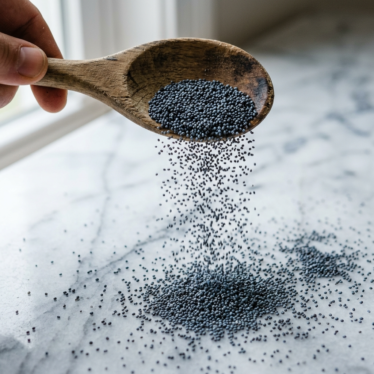
What Are Poppy Seeds? A Botanical Overview
Poppy seeds are the small, ripe seeds harvested from the poppy plant, Papaver somniferum, and used worldwide as a food and baking ingredient. They’re cleaned, dried, and sold as a spice or garnish, much like sesame or sunflower seeds. The seeds themselves contain negligible alkaloids, so they’re a safe, everyday pantry staple.
Don’t let the botanical name intimidate you! Papaver somniferum is an annual flowering plant in the Papaveraceae family. It grows upright, often reaching three to four feet tall, blooming in white, pink, purple, and red before fading to reveal a rounded seed pod. That pod is where the magic happens. Once dried, it splits into chambers packed with thousands of tiny seeds. A single pod can hold hundreds of seeds, which is why one small packet stretches such a long way!
People have cultivated this plant for at least 5,000 years, mostly for its seeds and oil. For a detailed botanical record, you can explore the Papaver somniferum Wikipedia page or the Encyclopaedia Britannica entry on the poppy.
A few quick facts worth remembering:
- Family: Papaveraceae
- Life cycle: Annual
- Height: 3 to 4 feet
- Hardiness: Tolerates cool weather; sown in early spring or fall
- Seed count: Thousands per dried pod
Want to see the full range of poppy botanicals in one place? Browse the Premium Poppy Pods shop to compare seeds, pods, and more.
Types of Poppy Seeds: Blue, White, Heirloom & Non-GMO
Not all poppy seeds are the same, and knowing the differences helps you pick the right one for your project. Let’s break them down!
Blue Poppy Seeds
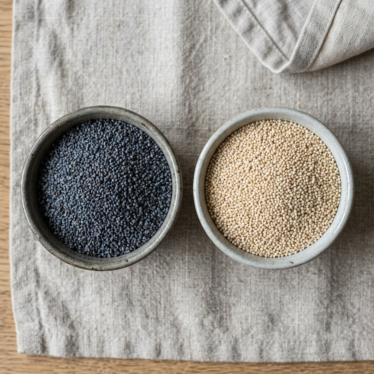
Blue poppy seeds are the classic. Their slate-blue, almost gray color makes them instantly recognizable on breads and pastries across Central and Eastern Europe. They carry a rich, nutty flavor and hold up beautifully as a topping or a ground filling. If you want the traditional look and taste, these are your go-to. You’ll find them on the Blue Poppy Pod Seeds page.
White Poppy Seeds
White poppy seeds are the star of South Asian and Middle Eastern cooking. Cooks often grind them to thicken sauces and curries while adding a subtle, nutty richness. They’re milder in appearance but every bit as useful in the kitchen. Choose them when a recipe calls for a lighter color and a thickening role.
Heirloom Poppy Seeds
“Heirloom” means the seeds come from open-pollinated plants passed down through generations. They breed true, so the seeds you save grow into the same plant next season. That’s a huge advantage! Hybrid seeds often won’t reproduce reliably, but heirloom seeds give you a renewable supply once you start. They also tend to offer stronger flavor and richer cultural heritage. Explore naturally propagated options on the Heirloom Blue Poppy Seeds page.
Non-GMO Poppy Seeds
Non-GMO poppy seeds are propagated through natural cultivation methods without genetic modification. Gardeners who value traditional, organic-style growing often prioritize these, and they pair perfectly with heirloom varieties for heritage projects.
Poppy Seed Nutrition and Health Benefits
For their tiny size, poppy seeds pack a real nutritional punch! They’re a natural source of fiber, healthy fats, and several minerals. Here’s what a typical serving brings to your plate:
- Fiber to support healthy digestion
- Healthy fats, including omega-6 fatty acids
- Calcium and magnesium for bone health
- Manganese and phosphorus for everyday body functions
- Plant protein in modest amounts
- B vitamins like thiamin and folate
Here’s a quick nutritional snapshot per tablespoon of poppy seeds:
| Nutrient | Approximate Amount |
|---|---|
| Fiber | 1.7 g |
| Calcium | 127 mg |
| Magnesium | 30 mg |
| Phosphorus | 76 mg |
| Healthy fats | 3.5 g |
Because you usually eat them in small amounts, think of poppy seeds as a flavorful, nutrient-adding garnish rather than a main dish. Still, that little sprinkle adds up over time! For verified nutrition figures, check the USDA FoodData Central database, and for general guidance on seeds and healthy fats, the Harvard T.H. Chan School of Public Health Nutrition Source is a trusted reference.
A quick note: treat this as general information, not medical advice. Always check with a healthcare provider before using any food as a remedy, and skip poppy seeds entirely if you have a poppy allergy.
What Do Poppy Seeds Taste Like?
Poppy seeds have a mild, nutty flavor with a gentle crunch and a faint hint of bitterness. They’re subtle rather than overpowering, which is exactly why cooks love them. They add depth and texture without stealing the show.
Here’s my favorite tip: their flavor truly comes alive when you toast or grind them! A quick minute or two in a dry skillet over medium heat releases their natural oils and deepens that warm, nutty note. Just stir constantly, because these little seeds can burn fast. Grinding them into a paste, common in Eastern European pastries, creates a rich, almost marzipan-like base for sweet fillings.
On their own, raw seeds bring a satisfying pop of texture. That gentle crunch is what makes them such a beloved topping for breads, salads, and noodle bowls.
Culinary Uses and Poppy Seed Recipes
This is where most people first fall in love with poppy seeds! Their nutty flavor and gentle crunch make them a favorite across cuisines. Because the seeds are so small and tend to stick together, cooks often dry-roast or grind them first to unlock a deeper, warmer flavor.
Baking Favorites
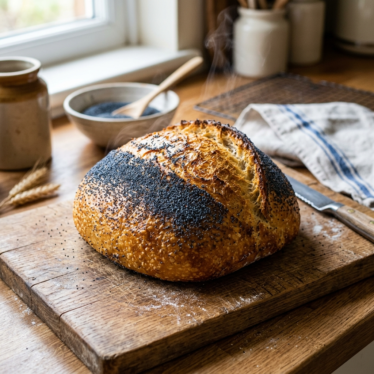
Baking is where poppy seeds feel most at home. Sprinkle them over bagels, dinner rolls, and artisan breads for that classic crunch. Ground into a sweet paste, they fill traditional pastries like strudel, kolache, and poppy seed rolls. And lemon-poppy seed cake? Absolutely worth the calories! For a finely milled shortcut, ground poppy powder works beautifully as a base for sweet pastry fillings.
Savory Cooking
Poppy seeds shine beyond dessert too. Whisk them into salad dressings for a nutty bite, sprinkle them over roasted vegetables, or toss them with buttered noodles. In Indian cooking, ground white poppy seeds thicken sauces and curries while adding subtle richness.
Fillings and Pastes
In Central and Eastern Europe, ground poppy seed fillings appear in holiday cakes and breads. The flavor is rich, slightly sweet, and unmistakable. Want to grind your own? Start with whole seeds and a spice grinder. Freshly ground seeds taste noticeably better than pre-ground ones, so it’s worth the extra minute!
Quick Garnishes and Toppings
Short on time? A quick scatter of poppy seeds dresses up almost anything! Try them on yogurt bowls, deviled eggs, coleslaw, or fruit salads. They add instant visual contrast and a delicate crunch that makes simple dishes feel special.
For more well-tested cooking and toasting techniques, Serious Eats is a great resource. And for a deeper dive into culinary poppy seeds, see our food-grade poppy seeds cooking and buying guide.
How to Grow Poppy Seeds: A Step-by-Step Guide
Worried you’ll kill the plant before it flowers? Relax! Poppies are far more forgiving than they look. Follow these steps and you’ll see sprouts within weeks.
Step 1: Time Your Planting
Poppies love cool soil. Sow seeds in early spring, as soon as the ground can be worked. In mild climates, you can also sow in fall for an early-summer bloom. Don’t wait for warm weather, since heat slows germination and weakens seedlings.
Step 2: Prepare the Soil
Choose a spot with full sun to partial shade and light, well-draining soil enriched with organic matter. Aim for a slightly acidic to neutral pH between 6.0 and 7.0. Poppies dislike soggy roots, so if your soil is heavy clay, mix in compost to improve drainage. Drainage is actually the single most important factor in early success!
Step 3: Sow on the Surface
Poppies hate being transplanted, so sow seeds directly where you want them to grow. Scatter the tiny seeds thinly across the surface and press them gently. Don’t bury them! Poppy seeds need light to germinate, so a light press is all they need.
Step 4: Water and Wait
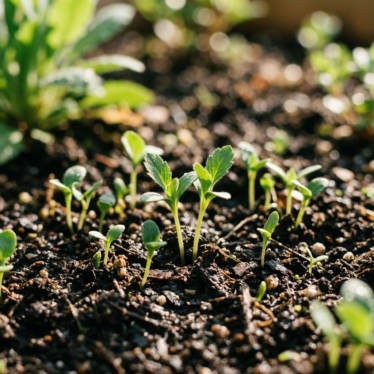
Water through a fine mist rather than a heavy pour, which can displace the fine seeds. Keep the soil lightly moist until seedlings appear. Under suitable conditions, poppy seeds germinate within roughly one to three weeks. Consistent moisture and cool temperatures make all the difference here.
Step 5: Thin the Seedlings
Once the first true leaves develop, thin the seedlings to about six inches apart. Crowded plants produce smaller pods and struggle with airflow, which can invite fungal problems. Keep the area weeded and protect young plants from strong wind.
Step 6: Harvest and Save the Seeds
Wait until the pods turn brown and rattle when shaken. That sound tells you the seeds are dry and ready! Cut the pods, shake the seeds into a container, and store them in a cool, dry place. Save some for next season, especially with heirloom varieties, so you hold a renewable supply for years.
For deeper planting guidance, see our blue poppy seeds for planting guide. For verified taxonomic and cultivation details, the Royal Horticultural Society (RHS) is an authoritative reference.
Decorative Uses for Dried Poppy Pods
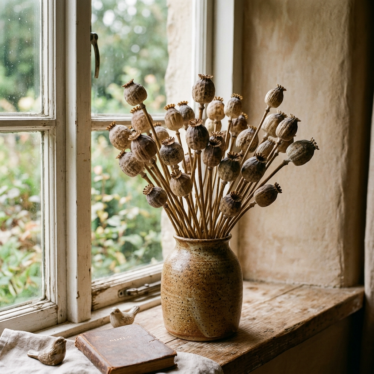
The kitchen and garden aren’t the only places poppies shine. Dried poppy pods have become a staple in floral arrangements and home décor, and honestly, they’re stunning!
Their sculptural shape adds texture and a natural, earthy look. Crafters use them in wreaths, dried bouquets, and centerpieces. Here’s why they work so well:
- Long-lasting — dried pods hold their shape for years
- Neutral color — pairs with nearly any palette
- Unique texture — adds visual interest to arrangements
- Low maintenance — no water or upkeep needed
If you create floral art, dried pods take your work to another level. Browse the dried poppy pods collection for craft-ready options.
How to Store Poppy Seeds for Maximum Freshness
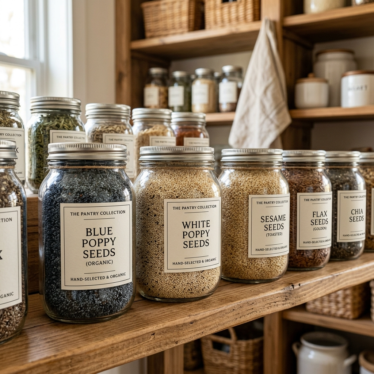
Poppy seeds contain natural oils, which means they can turn rancid if stored carelessly. The good news? Proper storage keeps them fresh for months. Follow these simple guidelines:
- Use an airtight container. Glass jars or sealed bags block out air and moisture.
- Keep them cool and dark. A pantry away from heat and sunlight is ideal.
- Refrigerate or freeze for the long haul. If you buy in bulk, the fridge or freezer extends shelf life significantly.
- Smell before you use. Fresh seeds smell nutty and clean. A sour odor means it’s time to toss them!
Stored well, whole poppy seeds usually stay good for six months to a year. Ground seeds spoil faster, so grind only what you plan to use soon.
How to Buy Quality Poppy Seeds Online
Here’s the honest truth: not all poppy seeds are equal, and quality swings widely between sellers. Cheap stock often germinates poorly, clumps together, or grows into plants that don’t match the description. When you shop, look for these signs of quality:
- Consistent color and a clean, dry appearance — no clumping or dustiness
- A fresh, nutty aroma — never sour or musty
- Species-accurate listings — clearly identifying Papaver and intended use
- Clear sourcing — sellers who explain where their seeds come from
- Heritage documentation — for heirloom and non-GMO seeds, proof of propagation method
- Quantity flexibility — single packets and poppy seeds bulk options for larger projects
A little tip I swear by: the depth of related pages on a supplier’s site often signals stronger topical authority and more consistent quality. Specialist suppliers simply handle and package their seeds with more care than general marketplaces and bulk bins.
Looking for specific options? The Blue Poppy Pod Seeds page is a great starting point for classic culinary and planting seeds. If you want seeds you can save and replant year after year, explore the Heirloom Blue Poppy Seeds collection. And for crafters, the dried poppy pods make stunning, long-lasting décor.
Whether you want food-grade poppy seeds for your kitchen, organic seeds for planting, or bulk quantities for a big project, buying from a dedicated supplier means fresher flavor and better results. When you’re ready, shop poppy seed products from a trusted source, or start at primiumpoppypods.com to explore the full range.
Ready to Stock Your Pantry?
Poppy seeds are a small ingredient with big potential! From crunchy bagel toppings to rich pastry fillings, nutrient-packed garnishes, striking garden blooms, and beautiful dried décor, they bring character to everything they touch. Pick a quality product, store it well, and start experimenting.
Ready to get started? Browse the full range at primiumpoppypods.com or head straight to the shop to find the perfect seeds for your kitchen, garden, or craft table. Your next batch of muffins will thank you!
Frequently Asked Questions
Culinary & Cooking
What are poppy seeds?
Poppy seeds are the tiny, ripe seeds harvested from the poppy plant, Papaver somniferum, and used worldwide as a food and baking ingredient. They’re cleaned, dried, and sold as a spice or garnish, much like sesame or sunflower seeds. The seeds contain negligible alkaloids, so they’re a safe, everyday pantry staple used on bagels, in muffins, and in countless sweet and savory dishes.
What do poppy seeds taste like?
Poppy seeds have a mild, nutty flavor with a gentle crunch and a faint hint of bitterness. They add depth and texture without overpowering a dish. Their flavor comes alive when you toast or grind them, since toasting releases their natural oils and grinding creates a rich, almost marzipan-like paste for pastry fillings.
How do you use poppy seeds in cooking?
Poppy seeds work in both sweet and savory dishes. Sprinkle them over bagels, breads, and muffins for crunch, or grind them into a paste for strudel and poppy seed rolls. For savory cooking, whisk them into salad dressings, scatter them over roasted vegetables, or toss them with buttered noodles. In Indian cuisine, ground white poppy seeds thicken sauces and curries.
How do you toast poppy seeds?
Place the seeds in a dry skillet over medium heat and stir constantly for one to two minutes until fragrant. Toasting deepens their warm, nutty flavor for both sweet and savory recipes. Watch them closely, since these tiny seeds burn quickly, and pull them off the heat the moment you smell that nutty aroma.
Nutrition & Health
Are poppy seeds safe to eat?
Yes. Food-grade poppy seeds are a common culinary ingredient used in baking, cooking, and as a garnish around the world. Enjoy them in normal recipe amounts, up to about 50 grams, as part of a balanced diet. Skip them entirely if you have a poppy allergy, and treat any health claims as general information rather than medical advice.
What are the health benefits of poppy seeds?
Poppy seeds are rich in fiber, healthy fats, and minerals like calcium, magnesium, phosphorus, and manganese. These nutrients support bone strength, digestion, and everyday body functions. Since you eat them in small amounts, think of them as a nutrient-adding garnish rather than a main dish. Always consult a healthcare provider before using any food as a remedy.
Types & Varieties
What’s the difference between blue and white poppy seeds?
Blue-gray poppy seeds are common in European baking and as bread toppings, while white poppy seeds star in South Asian and Middle Eastern cooking, often ground to thicken sauces. Both share a similar mild, nutty taste. Choose blue seeds for that classic bagel or strudel look, and white seeds when a recipe calls for a lighter color and a thickening role.
What is the difference between heirloom and regular poppy seeds?
Heirloom poppy seeds come from open-pollinated plants that breed true, so saved seeds grow the same plant next season. Regular or hybrid seeds often don’t reproduce reliably. Heirloom seeds also tend to offer richer flavor and stronger cultural heritage, giving you a renewable supply once you start.
What is Papaver somniferum?
Papaver somniferum is the botanical name for the poppy plant, an annual in the Papaveraceae family. It grows three to four feet tall and produces the seeds and pods sold worldwide as food and craft material. People have cultivated it for at least 5,000 years, mostly for its seeds and oil.
Growing & Planting
How do you grow poppy seeds?
Poppy seeds grow best when surface-sown into light, well-drained soil with a pH between 6.0 and 7.0. Scatter them thinly without burying them, since they need light to germinate. Apply water through a fine mist, keep the soil lightly moist, and thin the seedlings to about six inches apart once true leaves appear. Sow in early spring for the best results.
How long do poppy seeds take to germinate?
Poppy seeds typically germinate within one to three weeks under cool, consistently moist conditions. Germination requires light, so the seeds must stay uncovered on the soil surface. Warmer or drier conditions slow germination and reduce success rates.
When is the best time to plant poppy seeds?
Plant poppy seeds in early spring, as soon as the ground can be worked. Poppies prefer cool soil, so don’t wait for warm weather. In mild climates, you can also sow in fall for an early-summer bloom. Heat slows germination and weakens seedlings, so timing matters.
Storage & Buying
How do you store poppy seeds?
Store poppy seeds in an airtight container in a cool, dark place, where whole seeds last six months to a year. Because they contain natural oils, refrigerating or freezing extends their freshness, especially for bulk amounts. Ground seeds spoil faster, so grind only what you plan to use soon, and give them a quick sniff before using since a sour odor means it’s time to toss them.
Do poppy seeds need to be refrigerated?
They don’t have to be, but refrigeration helps. Because poppy seeds contain natural oils, keeping them cool slows spoilage and preserves their nutty flavor. This matters most if you buy in larger amounts or live in a warm climate. For everyday use, a cool, dark pantry works just fine.
Where can you buy quality poppy seeds online?
Buy poppy seeds from trusted specialty suppliers like Premium Poppy Pods. Look for clean, species-accurate listings with clear sourcing details, consistent color, a fresh nutty aroma, and both single and bulk quantity options. Specialist suppliers handle and package their seeds with more care than general bulk bins.
Can you use poppy pods for decoration?
Yes! Dried poppy pods are a popular choice for floral arrangements and home décor. Their sculptural shape adds natural texture to wreaths, dried bouquets, and centerpieces. They hold their shape for years and need no water or upkeep, making them perfect for low-maintenance displays.
FAQ Schema (JSON-LD)
{
  "@context": "https://schema.org",
  "@type": "FAQPage",
  "mainEntity": [
    {
      "@type": "Question",
      "name": "What are poppy seeds?",
      "acceptedAnswer": {
        "@type": "Answer",
        "text": "Poppy seeds are the tiny, ripe seeds harvested from the poppy plant, Papaver somniferum, and used worldwide as a food and baking ingredient. They're cleaned, dried, and sold as a spice or garnish, much like sesame or sunflower seeds. The seeds contain negligible alkaloids, so they're a safe, everyday pantry staple used on bagels, in muffins, and in countless sweet and savory dishes."
      }
    },
    {
      "@type": "Question",
      "name": "What do poppy seeds taste like?",
      "acceptedAnswer": {
        "@type": "Answer",
        "text": "Poppy seeds have a mild, nutty flavor with a gentle crunch and a faint hint of bitterness. They add depth and texture without overpowering a dish. Their flavor comes alive when you toast or grind them, since toasting releases their natural oils and grinding creates a rich, almost marzipan-like paste for pastry fillings."
      }
    },
    {
      "@type": "Question",
      "name": "How do you use poppy seeds in cooking?",
      "acceptedAnswer": {
        "@type": "Answer",
        "text": "Poppy seeds work in both sweet and savory dishes. Sprinkle them over bagels, breads, and muffins for crunch, or grind them into a paste for strudel and poppy seed rolls. For savory cooking, whisk them into salad dressings, scatter them over roasted vegetables, or toss them with buttered noodles. In Indian cuisine, ground white poppy seeds thicken sauces and curries."
      }
    },
    {
      "@type": "Question",
      "name": "How do you toast poppy seeds?",
      "acceptedAnswer": {
        "@type": "Answer",
        "text": "Place the seeds in a dry skillet over medium heat and stir constantly for one to two minutes until fragrant. Toasting deepens their warm, nutty flavor for both sweet and savory recipes. Watch them closely, since these tiny seeds burn quickly, and pull them off the heat the moment you smell the nutty aroma."
      }
    },
    {
      "@type": "Question",
      "name": "Are poppy seeds safe to eat?",
      "acceptedAnswer": {
        "@type": "Answer",
        "text": "Yes. Food-grade poppy seeds are a common culinary ingredient used in baking, cooking, and as a garnish around the world. Enjoy them in normal recipe amounts, up to about 50 grams, as part of a balanced diet. Skip them entirely if you have a poppy allergy, and treat any health claims as general information rather than medical advice."
      }
    },
    {
      "@type": "Question",
      "name": "What are the health benefits of poppy seeds?",
      "acceptedAnswer": {
        "@type": "Answer",
        "text": "Poppy seeds are rich in fiber, healthy fats, and minerals like calcium, magnesium, phosphorus, and manganese. These nutrients support bone strength, digestion, and everyday body functions. Since you eat them in small amounts, think of them as a nutrient-adding garnish rather than a main dish. Always consult a healthcare provider before using any food as a remedy."
      }
    },
    {
      "@type": "Question",
      "name": "What's the difference between blue and white poppy seeds?",
      "acceptedAnswer": {
        "@type": "Answer",
        "text": "Blue-gray poppy seeds are common in European baking and as bread toppings, while white poppy seeds star in South Asian and Middle Eastern cooking, often ground to thicken sauces. Both share a similar mild, nutty taste. Choose blue seeds for that classic bagel or strudel look, and white seeds when a recipe calls for a lighter color and a thickening role."
      }
    },
    {
      "@type": "Question",
      "name": "What is the difference between heirloom and regular poppy seeds?",
      "acceptedAnswer": {
        "@type": "Answer",
        "text": "Heirloom poppy seeds come from open-pollinated plants that breed true, so saved seeds grow the same plant next season. Regular or hybrid seeds often don't reproduce reliably.
