
- Your cart is empty
- Continue shopping
-
sales@primiumpoppypods.com
- Posted on
- Categories:Uncategorized
- 0 comments
Premium Poppy Pods Powder: The Complete Guide to Benefits, Uses, Quality, Storage & Where to Buy
Premium poppy pods powder is finely milled plant material made from carefully dried poppy pods, ground into a smooth, consistent powder valued for culinary, botanical, and decorative uses. This guide explains what it is, how it’s made, the benefits worth knowing, the quality markers to check before you buy, how to store it, the legal points to understand, and where to buy it with confidence.
Whether you’re a home cook, a botanical hobbyist, or a crafter searching for natural materials, this resource covers everything in one place. Let’s start with the basics.
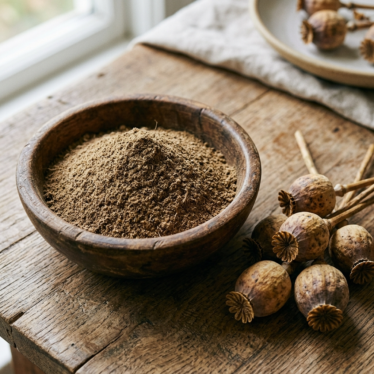
What Is Poppy Pods Powder?
Poppy pods powder is the ground form of the seed pod produced by the poppy plant (Papaver). After the flower fades, it leaves behind a rounded seed pod. Growers harvest these pods, dry them fully, and mill them into a fine, even powder.
The powder keeps the natural earthy character of the whole pod while offering a much easier format to measure, blend, and store. Because it’s already ground, you skip the messy step of crushing pods by hand. That convenience is why so many buyers prefer it over whole pods for blending projects.
You’ll find several related formats on the market. Whole fresh, untreated poppy pods suit floral work, while dried poppy pod heads and poppy tea blends serve other purposes. The poppy powder format sits at the center of this guide because of its versatility.
For a deeper background read, our complete poppy powder guide breaks down origins and sourcing in detail, and the ground poppy pods complete guide explains grading step by step.
Health Benefits of Poppy Pods Powder
Poppy plants have a long history in traditional food cultures, and poppy seeds in particular are studied for their nutrient content. The seeds carry fiber, healthy fats, and several minerals. Below are the benefits most often linked to poppy-derived products.
Please note: the points below reflect traditional uses and general nutritional information. They are not medical advice. Speak with a qualified healthcare professional before using any botanical product for health purposes.
Boosts Female Fertility
Poppy seeds have been used in some traditional practices to support reproductive health, often as part of a balanced diet rich in healthy fats and minerals.
Supports Immunity and Overall Health
Poppy seeds contain zinc and other trace minerals that play a role in normal immune function. As part of a varied diet, they add nutritional value.
Enhances Brain Function
The seeds supply healthy omega-6 fatty acids, which are building blocks the body uses across many systems, including the nervous system.
May Help with Sleep
In some traditional preparations, poppy is associated with rest and relaxation. Its calming reputation is one reason it appears in folk remedies.
Promotes Bone Health
Poppy seeds are a source of calcium, magnesium, manganese, and phosphorus, minerals that contribute to normal bone maintenance.
Improves Skin and Hair Health
The natural oils and minerals in poppy seeds are sometimes credited with supporting skin and hair, which is why they show up in some homemade care recipes.
Aids Digestion
The fiber content in poppy seeds supports normal digestion when eaten as part of a balanced diet.
For authoritative nutritional data on poppy seeds, you can review the USDA FoodData Central database and background from Britannica’s entry on the poppy plant.

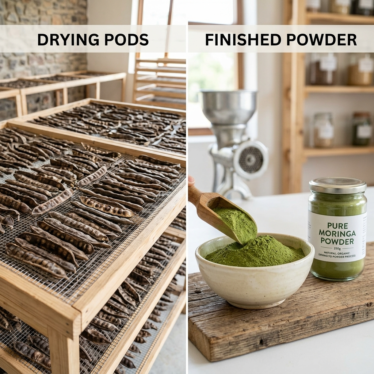
How Poppy Pods Powder Is Made
Quality powder starts with quality pods. The process follows three core stages.
1. Harvesting. Pods are collected at the right stage of maturity, when the plant material is ripe and ready for drying. Timing matters, because it affects both texture and color.
2. Drying. The pods are dried slowly and thoroughly to remove moisture. Proper drying prevents mold and preserves the natural character of the material. Rushed or uneven drying leads to inconsistent quality.
3. Grinding. Once fully dry, the pods are milled into a fine powder. Good producers screen the powder for consistency, removing large fragments so the final product feels smooth and uniform.
The difference between average and premium powder usually comes down to sourcing, drying discipline, and milling care.
Quality Grades & What to Look For
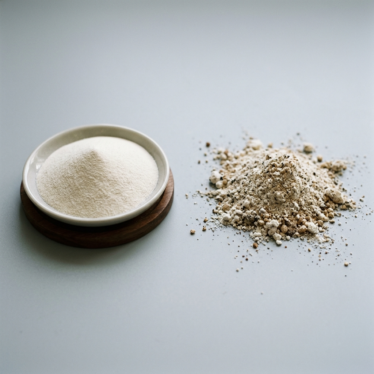
Not all poppy powder is equal. Use these markers to judge quality before you buy.
- Color consistency. Premium powder shows an even, natural tone without odd streaks or discoloration.
- Fine, uniform texture. A smooth grind signals careful milling. Gritty or lumpy powder suggests rushed processing.
- Clean aroma. Fresh, earthy scent is a good sign. Musty or sour smells point to poor drying or storage.
- Clear sourcing. Reputable sellers explain where their pods come from and how they’re processed.
- Proper packaging. Sealed, moisture-resistant packaging protects freshness during shipping and storage.
If you want to compare formats, browse the range across poppy powder, opium poppy pods, and Papaver poppy pods (Grade A) to see the differences in grade and presentation.
How to Buy Poppy Powder: A Quality Checklist
Shopping for poppy pods powder can feel confusing when every listing looks the same yet prices swing wildly. The truth is that quality varies a lot, and knowing what to check saves you money and disappointment. Use this checklist before you buy poppy powder from any seller.
- Check color consistency. Premium powder shows an even, natural tone with no odd streaks.
- Feel for fine texture. A smooth, uniform grind signals careful milling. Gritty or lumpy powder points to rushed processing.
- Smell for freshness. A clean, earthy aroma is a good sign. Musty or sour smells suggest poor drying or storage.
- Read the sourcing details. Reputable sellers explain where their pods come from and how they process them.
- Inspect the packaging. Sealed, moisture-resistant packaging protects freshness during shipping and storage.
Run through these five points every time, and you’ll quickly separate premium poppy powder from low-grade filler.
Common Mistakes to Avoid
A few simple errors trip up first-time buyers. Dodge these and you’ll get more from your purchase.
- Buying on price alone. The cheapest option often means uneven grinding or poor drying. Judge value, not just cost.
- Ignoring storage. Even great powder degrades if you leave it exposed. Keep it airtight, cool, and dark.
- Skipping the sourcing check. If a seller won’t explain where the product comes from, treat that as a warning sign.
- Overlooking local rules. Poppy products face regulations that vary by location, so always confirm what applies to you.
How to Use Poppy Pods Powder
The powder format opens up several practical uses. Here are the most popular.
Culinary Uses
In many food traditions, ground poppy adds a subtle nutty depth to baked goods. Cooks sprinkle poppy over breads, cakes, biscuits, and bagels, or fold it into fillings for pastries. The powder blends more evenly than whole seeds, which makes it convenient for recipes that need a smooth texture. Always confirm your product’s stated intended use before adding it to food.
Botanical and Craft Uses
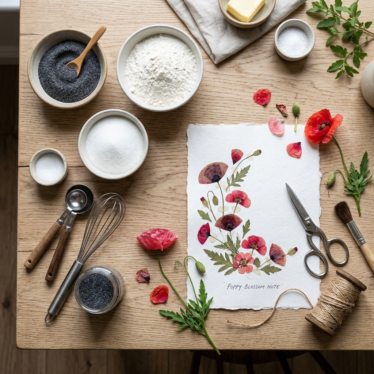
Botanical hobbyists use poppy materials in natural dye experiments, homemade blends, and study projects. The fine powder mixes easily into other dry botanical materials, which makes it a favorite for DIY work.
Decorative Uses
Whole pods are prized in floral arrangements, and the powder extends that creative range. Crafters use it in resin art, potpourri blends, and other decorative projects where a natural, earthy element adds appeal. If decoration is your goal, whole fresh poppy pods and dried poppy pod heads pair nicely alongside the powder.
Storage Tips to Keep Powder Fresh
Good storage protects your investment and keeps the powder usable for longer.
- Keep it airtight. Store the powder in a sealed container to block moisture and air.
- Choose a cool, dark spot. Heat and light degrade natural materials over time. A pantry or cupboard works well.
- Avoid humidity. Damp conditions invite clumping and mold. Keep the powder away from steamy areas like near a stove or sink.
- Label the date. Note when you opened the package so you can track freshness.
Stored well, premium powder holds its quality far longer than material left exposed to air and light.
Legal Considerations
Poppy products sit in a space where rules vary widely by country and region. Before buying or using poppy pods powder, take these steps:
- Check your local laws. Regulations differ significantly between countries, states, and municipalities. What’s permitted in one place may be restricted in another.
- Understand intended use. Many poppy products are sold strictly for decorative, craft, or ornamental purposes. Always follow the seller’s stated intended use.
- Buy from transparent sellers. Reputable suppliers are clear about compliance and product purpose.
This section is general information, not legal advice. When in doubt, consult a qualified professional familiar with the rules in your area. For general botanical context, the Encyclopaedia Britannica poppy entry offers useful background.
Where to Buy Premium Poppy Pods Powder
Choosing the right supplier makes all the difference. Look for a seller that offers clear sourcing, consistent grading, secure packaging, and responsive support.
At Primium Poppy Pods, you can explore a full selection of formats to match your needs:
- Poppy Powder — the versatile ground format covered in this guide.
- Opium Poppy Pods — whole pods for those who want to grind their own.
- Fresh, Untreated Poppy Pods — ideal for floral and decorative work.
- Poppy Tea from Dried Poppy Pod Seeds — a traditional blend format.
- Dried Poppy Pod Heads — clean, dried heads for crafts and arrangements.
- Dried Papaver Poppy Pods (Grade A) — premium graded pods.
You can view every option in one place on our full shop page.
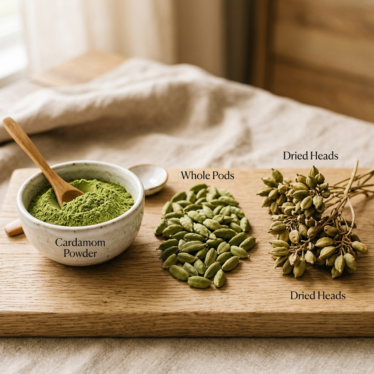
Frequently Asked Questions
What is poppy pods powder?
Poppy pods powder is finely milled plant material made from dried poppy seed pods, ground into a smooth, even powder. It keeps the earthy character of whole pods while offering an easier format to measure, blend, and store. People use it for culinary, botanical, and decorative projects. For a deeper background on origins and sourcing, see the complete poppy powder guide.
How is poppy pods powder made?
It’s made in three core stages: harvesting, drying, and grinding. Growers collect ripe pods after the flower fades, dry them slowly and fully to remove moisture, then mill the dried pods into a fine, uniform powder. Quality producers screen the final powder to remove large fragments so it feels smooth and consistent. Careful drying and milling are what separate premium powder from low-grade material.
What should I look for in quality poppy powder?
Judge quality by five markers: even color, fine and uniform texture, a clean earthy aroma, clear sourcing details, and sealed, moisture-resistant packaging. Streaky color, gritty texture, or musty smells point to rushed processing or poor storage. Reputable sellers explain where their pods come from and how they process them. You can compare graded formats on the Primium Poppy Pods shop page.
How is poppy powder graded?
Grading reflects sourcing discipline, drying quality, and milling care. Higher grades show consistent color, a smooth uniform grind, and a fresh aroma, while lower grades feel coarse or uneven. Grade also depends on the pod variety and how cleanly it was processed. Our ground poppy pods complete guide explains grading step by step so you know exactly what you’re paying for.
How do I store poppy pods powder?
Keep it in an airtight container in a cool, dark, dry place away from humidity, heat, and direct light. A pantry or cupboard works well. Damp conditions invite clumping and mold, so keep the powder away from steamy areas like near a stove or sink. Label the date you opened the package to track freshness. Stored well, premium powder holds its quality far longer than exposed material.
How long does poppy powder last?
With proper storage, premium poppy powder stays fresh for many months. The keys are an airtight seal, a cool dark location, and low humidity. Signs it’s past its best include clumping, faded color, or a musty smell. Buying from a supplier that uses sealed, moisture-resistant packaging gives you the longest usable shelf life from the start.
What are the culinary uses of poppy powder?
In many food traditions, ground poppy adds a subtle nutty depth to baked goods. Cooks fold it into breads, cakes, biscuits, bagels, and pastry fillings. Because the powder blends more evenly than whole seeds, it’s convenient for recipes that need a smooth texture. Always confirm your product’s stated intended use before adding it to food.
What are the botanical and decorative uses?
Botanical hobbyists mix poppy powder into natural dye experiments, dry blends, and study projects because the fine grind combines easily with other dry materials. For decoration, crafters use it in resin art, potpourri, and earthy-toned projects. Whole fresh poppy pods and dried poppy pod heads pair well alongside the powder for floral arrangements.
What nutrients do poppy seeds contain?
Poppy seeds carry fiber, omega-6 fatty acids, and minerals including calcium, magnesium, manganese, phosphorus, and zinc. These support normal bone maintenance, digestion, and other body functions as part of a balanced diet. For verified nutritional data, review the USDA FoodData Central database. This is general nutrition information, not medical advice.
Is poppy pods powder safe to use?
Poppy products are widely used in food traditions and decorative crafts, but safety depends on the product, the amount, and your intended use. Some people are allergic to poppy, and large quantities can cause problems. Follow the seller’s stated intended use and consult a qualified healthcare professional before using any botanical product for health reasons. This is general information, not medical advice.
Is poppy pods powder legal?
Poppy products sit in a space where rules vary widely by country, state, and region—what’s permitted in one place may be restricted in another. Many poppy products are sold strictly for decorative, craft, or ornamental purposes. Always check your local laws and understand the seller’s stated intended use before buying. This is general information, not legal advice; consult a qualified professional familiar with your area’s rules.
What is the difference between poppy powder and whole poppy pods?
Poppy powder is dried pods milled into a smooth, ready-to-blend format, while whole pods stay intact for grinding yourself or for decorative work. Powder saves time and mixes evenly in recipes and blends; whole pods suit floral arrangements and buyers who prefer to grind fresh. Explore both on the Poppy Powder product page and the fresh poppy pods listing.
How much does premium poppy powder cost?
Price depends on grade, quantity, and packaging quality. The cheapest options often mean uneven grinding or poor drying, so judge value rather than cost alone. Premium powder with clear sourcing and secure packaging costs more but delivers consistent results. You can view current options and quantity ranges on the Primium Poppy Pods shop page.
Where can I buy premium poppy pods powder?
You can buy premium poppy pods powder directly from the Primium Poppy Pods shop, which offers multiple graded formats with secure, moisture-resistant packaging. For the versatile ground format, visit the Poppy Powder product page. Look for clear sourcing, consistent grading, and responsive support before you order.
What poppy varieties are used to make the powder?
Premium powder is milled from Papaver poppy pods harvested at the right stage of maturity. The variety and growing conditions influence the powder’s color, texture, and aroma. For botanical background on the poppy plant, see the Britannica entry on the poppy. Reputable sellers are transparent about which pods they source and how they process them.
Ready to Get Started?
Premium poppy pods powder gives you a versatile, high-quality material for cooking, crafting, and botanical projects. The key is buying smart: check color, texture, aroma, sourcing, and packaging every time, store the powder well, and confirm the rules in your area. When you choose a trusted supplier with careful sourcing and clear grading, you get consistency you can rely on every time.
Explore our full range and place your order today. Visit the Poppy Powder product page or browse the complete shop collection to find the format that fits your needs. Quality material, secure packaging, and fast delivery are just a few clicks away.
JSON-LD FAQ Schema Markup
{
  "@context": "https://schema.org",
  "@type": "FAQPage",
  "mainEntity": [
    {
      "@type": "Question",
      "name": "What is poppy pods powder?",
      "acceptedAnswer": {
        "@type": "Answer",
        "text": "Poppy pods powder is finely milled plant material made from dried poppy seed pods, ground into a smooth, even powder. It keeps the earthy character of whole pods while offering an easier format to measure, blend, and store. People use it for culinary, botanical, and decorative projects."
      }
    },
    {
      "@type": "Question",
      "name": "How is poppy pods powder made?",
      "acceptedAnswer": {
        "@type": "Answer",
        "text": "It's made in three core stages: harvesting, drying, and grinding. Growers collect ripe pods after the flower fades, dry them slowly and fully to remove moisture, then mill the dried pods into a fine, uniform powder. Quality producers screen the final powder to remove large fragments so it feels smooth and consistent."
      }
    },
    {
      "@type": "Question",
      "name": "What should I look for in quality poppy powder?",
      "acceptedAnswer": {
        "@type": "Answer",
        "text": "Judge quality by five markers: even color, fine and uniform texture, a clean earthy aroma, clear sourcing details, and sealed, moisture-resistant packaging. Streaky color, gritty texture, or musty smells point to rushed processing or poor storage. Reputable sellers explain where their pods come from and how they process them."
      }
    },
    {
      "@type": "Question",
      "name": "How is poppy powder graded?",
      "acceptedAnswer": {
        "@type": "Answer",
        "text": "Grading reflects sourcing discipline, drying quality, and milling care. Higher grades show consistent color, a smooth uniform grind, and a fresh aroma, while lower grades feel coarse or uneven. Grade also depends on the pod variety and how cleanly it was processed."
      }
    },
    {
      "@type": "Question",
      "name": "How do I store poppy pods powder?",
      "acceptedAnswer": {
        "@type": "Answer",
        "text": "Keep it in an airtight container in a cool, dark, dry place away from humidity, heat, and direct light. A pantry or cupboard works well. Damp conditions invite clumping and mold, so keep the powder away from steamy areas. Label the date you opened the package to track freshness."
      }
    },
    {
      "@type": "Question",
      "name": "How long does poppy powder last?",
      "acceptedAnswer": {
        "@type": "Answer",
        "text": "With proper storage, premium poppy powder stays fresh for many months. The keys are an airtight seal, a cool dark location, and low humidity. Signs it's past its best include clumping, faded color, or a musty smell. Sealed, moisture-resistant packaging gives you the longest usable shelf life."
      }
    },
    {
      "@type": "Question",
      "name": "What are the culinary uses of poppy powder?",
      "acceptedAnswer": {
        "@type": "Answer",
        "text": "In many food traditions, ground poppy adds a subtle nutty depth to baked goods. Cooks fold it into breads, cakes, biscuits, bagels, and pastry fillings. Because the powder blends more evenly than whole seeds, it's convenient for recipes that need a smooth texture. Always confirm your product's stated intended use before adding it to food."
      }
    },
    {
      "@type": "Question",
      "name": "What are the botanical and decorative uses of poppy powder?",
      "acceptedAnswer": {
        "@type": "Answer",
        "text": "Botanical hobbyists mix poppy powder into natural dye experiments, dry blends, and study projects because the fine grind combines easily with other dry materials. For decoration, crafters use it in resin art, potpourri, and earthy-toned projects. Whole fresh poppy pods and dried poppy pod heads pair well alongside the powder for floral arrangements."
      }
    },
    {
      "@type": "Question",
      "name": "What nutrients do poppy seeds contain?",
      "acceptedAnswer": {
        "@type": "Answer",
        "text": "Poppy seeds carry fiber, omega-6 fatty acids, and minerals including calcium, magnesium, manganese, phosphorus, and zinc. These support normal bone maintenance, digestion, and other body functions as part of a balanced diet. This is general nutrition information, not medical advice."
      }
    },
    {
      "@type": "Question",
      "name": "Is poppy pods powder safe to use?",
      "acceptedAnswer": {
        "@type": "Answer",
        "text": "Poppy products are widely used in food traditions and decorative crafts, but safety depends on the product, the amount, and your intended use. Some people are allergic to poppy, and large quantities can cause problems. Follow the seller's stated intended use and consult a qualified healthcare professional before using any botanical product for health reasons."
      }
    },
    {
      "@type": "Question",
      "name": "Is poppy pods powder legal?",
      "acceptedAnswer": {
        "@type": "Answer",
        "text": "Poppy products sit in a space where rules vary widely by country, state, and region. Many poppy products are sold strictly for decorative, craft, or ornamental purposes. Always check your local laws and understand the seller's stated intended use before buying. This is general information, not legal advice."
      }
    },
    {
      "@type": "Question",
      "name": "What is the difference between poppy powder and whole poppy pods?",
      "acceptedAnswer": {
        "@type": "Answer",
        "text": "Poppy powder is dried pods milled into a smooth, ready-to-blend format, while whole pods stay intact for grinding yourself or for decorative work. Powder saves time and mixes evenly in recipes and blends; whole pods suit floral arrangements and buyers who prefer to grind fresh."
      }
    },
    {
      "@type": "Question",
      "name": "How much does premium poppy powder cost?",
      "acceptedAnswer": {
        "@type": "Answer",
        "text": "Price depends on grade, quantity, and packaging quality. The cheapest options often mean uneven grinding or poor drying, so judge value rather than cost alone. Premium powder with clear sourcing and secure packaging costs more but delivers consistent results."
      }
    },
    {
      "@type": "Question",
      "name": "Where can I buy premium poppy pods powder?",
      "acceptedAnswer": {
        "@type": "Answer",
        "text": "You can buy premium poppy pods powder directly from the Primium Poppy Pods shop, which offers multiple graded formats with secure, moisture-resistant packaging. Look for clear sourcing, consistent grading, and responsive support before you order."
      }
    },
    {
      "@type": "Question",
      "name": "What poppy varieties are used to make the powder?",
      "acceptedAnswer": {
        "@type": "Answer",
        "text": "Premium powder is milled from Papaver poppy pods harvested at the right stage of maturity. The variety and growing conditions influence the powder's color, texture, and aroma. Reputable sellers are transparent about which pods they source and how they process them."
      }
    }
  ]
}
Disclaimer: This article is for general informational purposes only and does not constitute medical or legal advice. Poppy products may be subject to regulations that vary by location. Always check your local laws and consult qualified professionals before purchasing or using any poppy-derived product.
