
- Your cart is empty
- Continue shopping
-
sales@primiumpoppypods.com
- Posted on
- Categories:Uncategorized
- 0 comments
Want your home to feel calm, warm, and effortlessly beautiful? You’re in the right place! Natural home decor ideas are one of the simplest ways to add texture, character, and a little bit of the outdoors to any space. In this guide, you’ll learn exactly how to style with dried botanical decor, poppy pod accents, earthy colors, and easy DIY touches that look like they came straight from a design magazine.
I remember the first time I swapped a plastic centerpiece for a bundle of dried flowers. The whole room instantly felt softer and more inviting! That’s the magic we’re going to unlock together. By the end of this post, you’ll have a full toolkit of nature-inspired interiors ideas you can start using today.
Let’s dig in.
Why Choose Natural Home Decor?
Natural decor isn’t just a trend, it’s a feeling. When you bring organic materials indoors, your space gains warmth that shiny synthetic pieces simply can’t match.
Here’s why so many people fall in love with organic home styling:
- It’s timeless. Wood, dried flowers, and stone never go out of fashion.
- It’s affordable. Many natural pieces cost less than mass-produced decor.
- It’s low maintenance. Dried botanicals last for months (sometimes years!) with zero watering.
- It’s calming. Studies from sources like Better Homes & Gardens show natural elements help create restful, grounding spaces.
So what? If you want a home that feels personal and peaceful without constant upkeep, natural decor delivers. It’s the easy win your rooms have been waiting for.
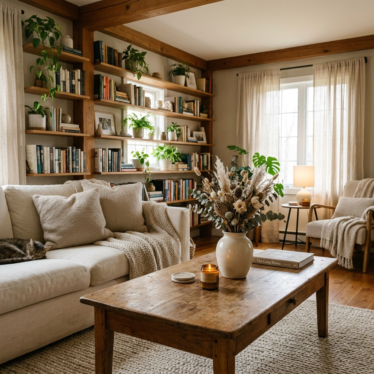
Dried Flowers & Botanical Decor
Dried botanical decor is where the fun really begins! These pieces add instant texture and a soft, sun-faded charm that fresh flowers just can’t hold onto for long.
Popular Dried Botanicals to Try
- Pampas grass for height and drama
- Lavender bundles for scent and color
- Eucalyptus for a fresh, spa-like feel
- Wheat stalks for a rustic, farmhouse touch
- Poppy pods for bold, sculptural interest
Quick Styling Tips
Group odd numbers of stems together, they always look more natural. Choose a vase that’s roughly two-thirds the height of your arrangement. And don’t overcrowd! A little breathing room lets each piece shine.
Helpful tip: Keep dried arrangements out of direct sunlight to slow fading and protect their color. Want inspiration for mixing textures? Architectural Digest shares gorgeous botanical styling ideas worth bookmarking.
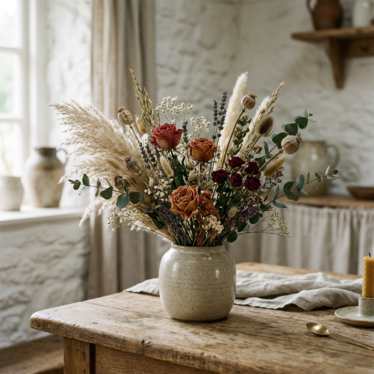
Using Poppy Pods in Home Decor
Now let’s talk about my favorite hidden gem: poppy pod decor! These sculptural little seed pods are absolute showstoppers. Their round, textured shapes add an artistic, almost architectural quality to any arrangement.
Why Poppy Pods Work So Well
Poppy pods are naturally sturdy, long-lasting, and endlessly versatile. You can display them alone in a slim vase for a minimalist look, or mix them with other dried stems for extra dimension. They’re a designer favorite for a reason!
If you’re ready to try them, the Dried Poppy Pod Heads are perfect for statement centerpieces. For a slightly different shape and grade, the Papaver Poppy Pods (Grade A) bring beautiful variation to your displays. Prefer a fresh, untreated look? Check out the natural poppy pods collection.
Easy Ways to Style Poppy Pods
- Cluster three to five pods in a bud vase for a modern accent
- Add them to a dried wreath for depth
- Line them along a mantel or shelf as standalone sculpture
- Combine with sage bundles for a layered, earthy vignette
So what? Poppy pods give you that “how did they do that?” designer look with almost no effort. They’re proof that small details make the biggest impact.
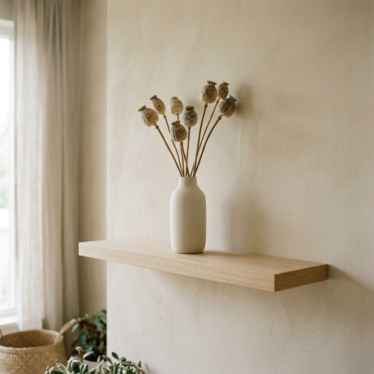
Natural Wreaths & Floral Arrangements
Wreaths aren’t just for holidays! A dried floral wreath adds year-round charm to your front door, a bare wall, or even above your bed.
Building Your Own Arrangement
Start with a base, like a grapevine or wire ring. Then layer your dried flower arrangements in sections, working around the circle. Secure each cluster with floral wire, and keep turning as you go to check for balance.
Mix textures for the best effect: something fluffy (pampas), something structural (poppy pods), and something delicate (baby’s breath or lavender). For more seasonal wreath ideas, HGTV offers plenty of step-by-step inspiration.
Helpful tip: Add a linen or velvet ribbon for a soft, finished touch that instantly elevates the whole piece.
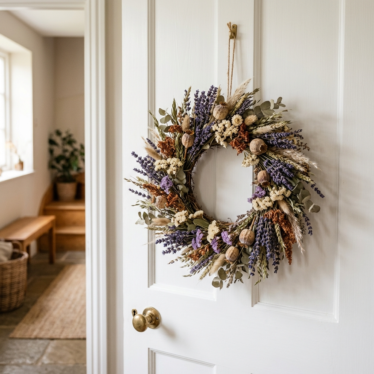
Earthy Color Palettes
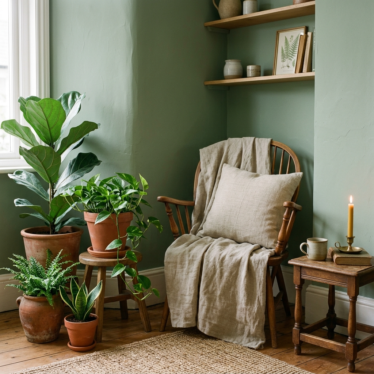
Color sets the mood for your entire home, and earthy tones are the heart of nature-inspired interiors. Think warm, grounded shades pulled straight from the landscape.
Colors to Reach For
- Warm neutrals: cream, sand, oatmeal, and taupe
- Soft greens: sage, olive, and moss
- Grounding browns: terracotta, clay, and walnut
- Gentle accents: dusty rose, muted mustard, and slate blue
Layer these tones through your textiles, walls, and decor for a cohesive, calming look. Natural materials like linen, jute, and raw wood carry these colors beautifully.
So what? A thoughtful earthy palette ties every room together, making your dried botanicals and poppy pods pop even more.
DIY Natural Decor Ideas
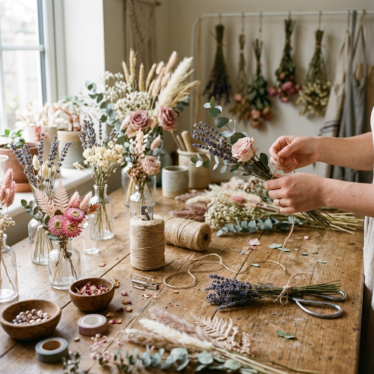
Ready to get your hands a little dusty? DIY projects are the most rewarding way to personalize your space, and they’re easier than you’d think!
Simple Projects to Start With
- Dried flower bud vases. Snip a few stems, pop them in small bottles, and line them along a windowsill.
- Pressed botanical art. Press flowers in a heavy book, then frame them for instant wall decor.
- Herb bundle displays. Tie sage bundles with twine and hang them for both scent and style.
- Poppy pod centerpiece. Fill a shallow bowl with pods and a few candles for a warm table display.
- Natural garland. String dried orange slices, eucalyptus, and pods for a festive, organic feel.
Helpful tip: Save the small dried petals and bits that fall off, they make a lovely homemade potpourri!
For more product ideas and full collections to fuel your projects, browse the full range at Premium Poppy Pods.
How to Care for Your Natural Decor
A little care keeps your pieces looking fresh for the long haul. Dust them gently with a soft brush or a low-heat hairdryer. Keep them away from humidity and direct sun. And rotate arrangements now and then to keep colors even.
With this simple routine, your dried botanicals can stay beautiful for months or even years!
Wrapping It All Up
Natural home decor ideas are all about warmth, texture, and a genuine connection to the outdoors. Here are your key takeaways:
- Dried botanical decor adds lasting texture without the upkeep.
- Poppy pods deliver a sculptural, designer-level accent with ease.
- Earthy color palettes tie your whole space together.
- DIY projects make your home feel truly personal.
Your next step? Pick one idea from this guide, maybe a simple poppy pod centerpiece, and try it this week. Then explore the full Premium Poppy Pods collection to gather everything you need to bring nature indoors. Happy styling!
Frequently Asked Questions
What are the best natural home decor ideas for beginners?
Start simple with dried flower arrangements, a few poppy pods in a bud vase, and warm neutral textiles. These low-maintenance pieces add instant character without any complicated setup.
How long does dried botanical decor last?
With proper care, dried botanicals can last several months to a few years. Keep them out of direct sunlight and humidity, and dust them gently to preserve their color and shape.
Are poppy pods good for home decor?
Absolutely! Poppy pods are sturdy, sculptural, and versatile. They work beautifully in vases, wreaths, and centerpieces, adding a designer-level accent to nature-inspired interiors.
How do I style poppy pod decor?
Cluster three to five pods in a slim vase, add them to dried wreaths for depth, or line them along a mantel. Pairing them with sage bundles or pampas grass creates a layered, earthy look.
What colors work best for nature-inspired interiors?
Warm neutrals, soft greens like sage and olive, and grounding browns such as terracotta and clay work best. These earthy tones create a calm, cohesive backdrop for natural decor.
Can I make dried flower arrangements at home?
Yes! Simply hang fresh flowers upside down in a dry, dark spot for two to three weeks. Once dry, arrange them in groups of odd numbers for the most natural, balanced look.
Where can I buy poppy pods and dried botanicals?
You can find high-quality dried poppy pod heads, Papaver poppy pods, and sage bundles at Premium Poppy Pods, along with other natural decor essentials.
How do I care for dried botanical decor?
Dust gently with a soft brush or low-heat hairdryer, keep pieces away from moisture and direct sun, and rotate arrangements occasionally to keep colors even.
Is natural home decor affordable?
Very! Many natural pieces cost less than mass-produced decor, and DIY projects using dried flowers or foraged materials can be nearly free.
FAQ Schema (JSON-LD)
{
  "@context": "https://schema.org",
  "@type": "FAQPage",
  "mainEntity": [
    {
      "@type": "Question",
      "name": "What are the best natural home decor ideas for beginners?",
      "acceptedAnswer": {
        "@type": "Answer",
        "text": "Start simple with dried flower arrangements, a few poppy pods in a bud vase, and warm neutral textiles. These low-maintenance pieces add instant character without any complicated setup."
      }
    },
    {
      "@type": "Question",
      "name": "How long does dried botanical decor last?",
      "acceptedAnswer": {
        "@type": "Answer",
        "text": "With proper care, dried botanicals can last several months to a few years. Keep them out of direct sunlight and humidity, and dust them gently to preserve their color and shape."
      }
    },
    {
      "@type": "Question",
      "name": "Are poppy pods good for home decor?",
      "acceptedAnswer": {
        "@type": "Answer",
        "text": "Absolutely! Poppy pods are sturdy, sculptural, and versatile. They work beautifully in vases, wreaths, and centerpieces, adding a designer-level accent to nature-inspired interiors."
      }
    },
    {
      "@type": "Question",
      "name": "How do I style poppy pod decor?",
      "acceptedAnswer": {
        "@type": "Answer",
        "text": "Cluster three to five pods in a slim vase, add them to dried wreaths for depth, or line them along a mantel. Pairing them with sage bundles or pampas grass creates a layered, earthy look."
      }
    },
    {
      "@type": "Question",
      "name": "What colors work best for nature-inspired interiors?",
      "acceptedAnswer": {
        "@type": "Answer",
        "text": "Warm neutrals, soft greens like sage and olive, and grounding browns such as terracotta and clay work best. These earthy tones create a calm, cohesive backdrop for natural decor."
      }
    },
    {
      "@type": "Question",
      "name": "Can I make dried flower arrangements at home?",
      "acceptedAnswer": {
        "@type": "Answer",
        "text": "Yes! Simply hang fresh flowers upside down in a dry, dark spot for two to three weeks. Once dry, arrange them in groups of odd numbers for the most natural, balanced look."
      }
    },
    {
      "@type": "Question",
      "name": "Where can I buy poppy pods and dried botanicals?",
      "acceptedAnswer": {
        "@type": "Answer",
        "text": "You can find high-quality dried poppy pod heads, Papaver poppy pods, and sage bundles at Premium Poppy Pods, along with other natural decor essentials."
      }
    },
    {
      "@type": "Question",
      "name": "How do I care for dried botanical decor?",
      "acceptedAnswer": {
        "@type": "Answer",
        "text": "Dust gently with a soft brush or low-heat hairdryer, keep pieces away from moisture and direct sun, and rotate arrangements occasionally to keep colors even."
      }
    },
    {
      "@type": "Question",
      "name": "Is natural home decor affordable?",
      "acceptedAnswer": {
        "@type": "Answer",
        "text": "Very! Many natural pieces cost less than mass-produced decor, and DIY projects using dried flowers or foraged materials can be nearly free."
      }
    }
  ]
}
