
- Your cart is empty
- Continue shopping
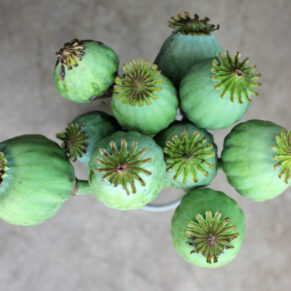
-
sales@primiumpoppypods.com
- Posted on
- Categories:Uncategorized
- 0 comments
Poppy Pods: The Complete Guide to Dried Pods, Uses, Growing, and Buying
Poppy pods catch the eye. Their round, sculptural shape and soft blue-green tones make them a favorite in floral design, home decor, and craft projects. But many people feel unsure about what poppy pods actually are, how to use them, and where to buy them safely.
This guide clears that up. You’ll learn what poppy pods are, the main types, their common uses, how to grow and harvest them, and what to know before you buy. By the end, you’ll have the practical knowledge to choose and use poppy pods with confidence.
What Are Poppy Pods?
Poppy pods are the dried seed capsules of the poppy plant. After a poppy flower blooms and drops its petals, it leaves behind a rounded seed head. That seed head is the poppy pod.
Each pod holds hundreds of tiny poppy seeds inside. When the pod dries, it turns firm and hollow, with a decorative crown on top. This shape makes dried poppy pods popular for arrangements and crafts.
The most well-known species is Papaver somniferum, often called the opium poppy or breadseed poppy. Its pods are larger and more sculptural than most, which is why Papaver somniferum pods appear so often in dried floral work.
Quick definition: A poppy pod is the dried, seed-holding capsule of a poppy plant, prized for its round shape and natural texture.
Types of Poppy Pods
Not all poppy pods look the same. Size, color, and shape vary by species. Knowing the differences helps you pick the right pod for your project.
- Papaver somniferum pods: Large, round, and smooth with a flat crown. These are the classic decorative poppy seed pods.
- Papaver rhoeas (corn poppy) pods: Smaller and more oval. Common in wildflower settings.
- Papaver orientale (Oriental poppy) pods: Bold and chunky with a wide crown. A striking choice for arrangements.
- Ornamental poppy pods: A broad term for pods grown mainly for their looks rather than seeds. These often come dyed, bleached, or naturally colored.
Takeaway: Choose larger Papaver somniferum pods for bold decor and smaller pods for delicate, natural designs.
Common Uses for Dried Poppy Pods
Poppy pods work well across many creative projects. Their firm shape holds up over time, which makes them a reliable material.
Decorative Uses
Dried poppy pods add texture to any space. You can place them in vases, wreaths, or shadow boxes. Their neutral tones fit both modern and rustic styles.
Floral Arrangements
Florists use poppy pods to add height and structure. The round heads balance soft blooms and create visual interest. They also last far longer than fresh flowers.
Craft Projects
Crafters value poppy pods for their versatility. You can paint them, spray them metallic, or leave them natural. Common projects include:
- Handmade ornaments
- Table centerpieces
- Botanical wall art
- Seasonal garlands
Takeaway: Poppy pods give you a long-lasting, paintable material for decor, floral design, and crafts.
How to Grow Poppy Pods
Growing your own poppy pods is simpler than most people expect. Poppies grow from seed and need little care once established.
Follow these steps:
- Choose your seeds. Pick a poppy variety suited to your climate. Papaver somniferum produces the largest pods.
- Sow directly. Scatter seeds on prepared soil in early spring. Poppies dislike being transplanted.
- Thin the seedlings. Space plants about 6 to 12 inches apart so each has room to grow.
- Water lightly. Poppies prefer well-drained soil and moderate moisture.
- Let them bloom. Flowers appear in early summer, then drop their petals.
- Wait for pods to form. After the petals fall, the seed pods swell and mature.
Takeaway: Sow poppy seeds in early spring, give them space and light watering, and pods form after the blooms fade.
How to Harvest and Dry Poppy Pods
Harvesting at the right time keeps your pods firm and attractive. Wait too long and they may split; harvest too early and they stay soft.
Here’s the process:
- Watch the pod color. Harvest when pods turn from green to a dry, tan or brown shade.
- Cut with a long stem. Use sharp scissors and leave enough stem for arrangements.
- Remove excess leaves. Strip any foliage from the stem.
- Hang to dry. Bundle stems and hang them upside down in a dry, airy space.
- Wait one to two weeks. The pods finish drying and harden fully.
Once dry, poppy pods can last for years with basic care. Keep them out of direct sunlight and humidity to preserve their color.
Takeaway: Harvest pods when they turn tan, then hang them upside down to dry for one to two weeks.
Buying Guide: How to Buy Poppy Pods
When you buy poppy pods, quality and source matter. Good pods hold their shape, resist crumbling, and keep an even color. Here’s what to check before you purchase.
- Size consistency: Look for pods that match in size if you need a uniform look.
- Firmness: Quality dried pods feel solid, not brittle or crushed.
- Color: Natural, bleached, and dyed options each suit different projects.
- Seller reputation: Buy from florists, craft suppliers, or established growers.
- Purpose labeling: Choose pods sold clearly for decorative or ornamental use.
You can find poppy pods at floral wholesalers, craft stores, and online botanical shops. Compare price per pod and shipping care, since dried pods can break in transit.
Takeaway: Buy firm, evenly sized pods from a trusted seller, and confirm they’re sold for decorative use.
Legal Considerations for Poppy Pods
This is where many buyers feel unsure, so let’s be clear and practical.
Papaver somniferum is the same species used to produce opium. Because of this, laws around poppy pods vary by country and region. In some places, dried pods are sold freely for decoration. In others, sale or possession may face restrictions, especially when tied to intended misuse.
To stay on the safe side:
- Check your local and national laws before buying or selling poppy pods.
- Buy pods sold clearly for ornamental or craft use.
- Avoid any product marketed for consumption or extraction.
- Keep documentation if you purchase in bulk for a business.
This guide shares general information, not legal advice. When in doubt, confirm the rules that apply where you live.
Takeaway: Poppy pod laws vary by location, so always check local regulations and buy pods intended for decorative use only.
Why Poppy Pods Stay Popular
Poppy pods combine natural beauty with lasting durability. They don’t wilt, they hold paint and dye well, and they suit countless creative styles. For florists, decorators, and crafters, that mix of form and function keeps them in steady demand.
Whether you grow your own or buy them, poppy pods give you a versatile material that rewards a little planning. Now you have the knowledge to choose, use, and source them wisely.
Frequently Asked Questions About Poppy Pods
What are poppy pods used for?
Poppy pods are used mainly for decoration, floral arrangements, and craft projects. Their round, sculptural shape adds texture to vases, wreaths, ornaments, and botanical art. Because they’re dried, they last far longer than fresh flowers.
What are dried poppy pods?
Dried poppy pods are the mature, hardened seed capsules of the poppy plant. After the flower blooms and loses its petals, the seed head dries into a firm, hollow pod that’s popular for decor and crafts.
What is Papaver somniferum?
Papaver somniferum is the poppy species commonly known as the opium poppy or breadseed poppy. It produces the largest, most sculptural pods, which is why its pods are widely used in dried floral design.
Are poppy pods legal to buy?
Legality depends on your location. In many places, poppy pods are sold freely for decorative use. In others, restrictions apply. Always check your local and national laws and buy pods labeled for ornamental or craft purposes.
How do you grow poppy pods?
Sow poppy seeds directly on prepared soil in early spring. Thin the seedlings, water lightly, and let the plants bloom. After the petals drop, seed pods form and mature over the following weeks.
When should you harvest poppy pods?
Harvest poppy pods when they turn from green to a dry tan or brown color. Cut them with a long stem, then hang them upside down in a dry, airy space for one to two weeks.
How long do dried poppy pods last?
Dried poppy pods can last for years when stored properly. Keep them away from direct sunlight and humidity to preserve their shape and color.
Where can you buy poppy pods?
You can buy poppy pods from floral wholesalers, craft stores, and online botanical shops. Look for firm, evenly sized pods from a trusted seller, and check that they ship with care to prevent breakage.
What are ornamental poppy pods?
Ornamental poppy pods are pods grown or sold mainly for their appearance rather than for seeds. They often come in natural, bleached, or dyed finishes for use in decor and crafts.
Do poppy pods contain seeds?
Yes. Each poppy pod holds hundreds of tiny seeds inside. When the pod dries, the seeds can be shaken out or left inside, depending on your project.
