Few natural materials are as striking, sturdy, and downright versatile as dried poppy pods! Their round, sculptural seed heads add instant drama to a vase, take paint and gold leaf like a dream, and hold their shape for years without a single drop of water. Whether you run a florist studio in Melbourne, style interiors in Sydney, or love a weekend craft project, this is your complete guide to buying, using, and storing dried poppy pods in Australia.
Ready to browse first? Head straight to the Premium Poppy Pods shop to see what’s available right now. Then come back and let’s dig into everything you need to know.
What Are Dried Poppy Pods?
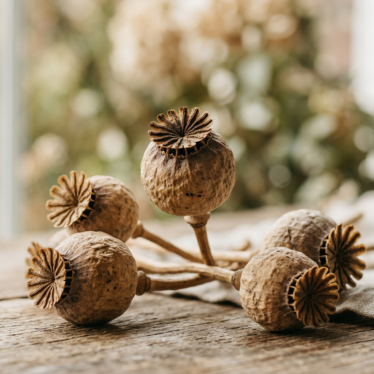
Dried poppy pods are the mature seed heads of the poppy plant, harvested after the petals drop and the pod hardens. Once cured, they keep their signature round-to-oval shape, sturdy stem, and that pretty crown-like top. It’s exactly that sculptural form that makes them such a favourite for décor and crafts!
Think of the pod as nature’s little rattle. Inside sits a chamber of tiny seeds, and when you give a well-dried pod a gentle shake, you’ll hear a soft rattle. That’s your cue it’s cured properly and ready to display.
Here’s the short version: dried poppy pods are naturally dried poppy seed heads used for floral design, home décor, crafts, and other decorative projects. They never wilt, they never need water, and they get better looking the more creatively you use them.
Why Australians Love Dried Poppy Pods
Let me ask you a question. What’s the one décor item that suits our sun-drenched, earthy Australian aesthetic and survives a scorching February afternoon on the mantel? Dried poppy pods, of course!
Here’s why they’ve become such a favourite across the country. Our style leans into natural textures, warm neutral tones, and that laid-back organic feel. Poppy pods slot right in beside pampas grass, dried banksia, gum nuts, and eucalyptus like they were made for each other.
They’re also brilliantly low-maintenance. No water. No wilting. No fuss. You arrange them once and they look gorgeous for years. For anyone juggling a busy life (which is all of us!), that’s a huge win.
And they’re versatile in a way fresh flowers simply can’t match. One bunch of pods can become a wedding centrepiece today, a painted holiday ornament next month, and a minimalist shelf accent after that. That flexibility is exactly why poppy pod decor Australia searches keep climbing.
Types of Dried Poppy Pods Available in Australia
Not every poppy pod looks or performs the same way. Knowing the main types helps you order exactly the right ones for your project. Let’s walk through them!
Papaver somniferum Pods
Papaver somniferum is the classic large-headed poppy most people picture when they imagine a dried pod. The heads are big, smooth, and beautifully rounded, with a flat crown on top. That generous size makes them the star of any dried arrangement and a standout accent in wreaths and shadow boxes.
Beyond the big somniferum heads, you’ll find ornamental poppy varieties that produce smaller, more delicate pods. These are perfect when you want poppy texture without overwhelming a fine design. They shine in:
Boutonnieres and small bouquets
Mixed dried-flower bunches
Fine detail work in crafts and jewellery
Smaller pods give you flexibility. You can tuck them into tight spaces and layer them for depth without stealing the show.
Poppy Pod Heads
“Pod heads” usually means pods sold with little or no stem — just the rounded seed head on its own. These are wonderfully handy, and honestly they’re my go-to for craft projects because there’s no stem getting in the way! They’re popular for:
Bowl fillers and vase displays
Potpourri and table scatter
Painting, gilding, and other craft projects
The Dried Poppy Pod Heads collection is a brilliant starting point when you need heads rather than full stems.
Fresh and Untreated Pods
Some buyers prefer untreated pods that haven’t been bleached, dyed, or chemically processed. These keep a more natural colour and texture, which suits rustic and organic Australian interiors beautifully. If that raw, earthy look is your style, the Fresh, Untreated Poppy Pods page is the place to start.
What Are Dried Poppy Pods Used For?
The magic of dried poppy pods comes down to two things: their unique shape and their long shelf life. Here’s where they truly earn their keep.
Floral Arrangements
Dried poppy pods are a florist favourite, and it’s easy to see why! Their round heads add height, texture, and gorgeous sculptural contrast against softer flowers and grasses. Because they’re already dried, they last for months — even years — without water. That makes them ideal for:
Everlasting bouquets
Seasonal and holiday centrepieces
Wedding and event installations
For an Australian summer wedding, imagine tall poppy pods paired with dried banksia, eucalyptus, and wheat. It’s textured, neutral, and completely water-free — no wilting in the heat!
Home Décor
For interior styling, poppy pods bring an earthy, modern edge that suits almost any space. Drop a handful into a clear glass vase for an instant win. Mix them into a dried bouquet on a mantel. Use them as filler in a large bowl on the coffee table. They pair naturally with raw wood, woven baskets, and neutral tones.
The best part? Zero upkeep. No water changes, no wilting, no mess — just clean, sculptural style that lasts.
Crafts and DIY Projects
Crafters adore poppy pods because they take paint, glue, and metallic finishes so well. The hollow heads are sturdy enough to handle yet light enough to work with easily. Popular projects include:
Painted or gilded ornaments
Resin coasters, paperweights, and jewellery
Natural mobiles and hanging displays
Kids’ and classroom craft batches
One quick tip from experience: always test your paint or finish on a single pod first before committing a whole batch. It saves so much heartache!
How to Choose Quality Dried Poppy Pods
Quality varies a lot between suppliers, so knowing what to look for pays off fast. Run through this quick checklist before you buy.
Look at Colour and Surface
Good dried pods have an even, natural tone without heavy blotching or mould spots. A little colour variation is completely normal — these are natural products, after all — but steer clear of pods with dark, fuzzy patches. Those signal moisture damage.
Check the Shape and Size
For arrangements, consistent sizing makes design so much easier. If you’re buying for a specific look, ask the supplier about size grading. Premium lots are often sorted by size, so your pods actually match.
Test for Dryness
Properly cured pods feel light and firm. If a pod feels heavy, damp, or soft, it wasn’t dried fully and it may rot or attract pests over time. When in doubt, weigh it in your hand — light is right!
Inspect the Stems
Need stems for arrangements? Make sure they’re straight, sturdy, and intact. Snapped or overly brittle stems limit how you can use the pod.
Mind the Rattle
Here’s a fun one. Give the pod a gentle shake. A soft rattle means the seeds are dry inside, which is a great sign of proper curing.
Quick quality rule of thumb: firm pods, even colour, a dry rattle, and clean stems point to a well-cured, storage-ready product.
How to Buy Dried Poppy Pods in Australia
Alright, let’s talk shopping. Buying well makes all the difference, so here’s how to do it the smart way.
Choose a Specialist Supplier
A supplier focused specifically on poppy pods usually offers better grading, more consistent quality, and deeper product knowledge than a general floral wholesaler. That consistency really shows once you start arranging or crafting at scale.
Buying in Bulk: Where the Real Value Lives
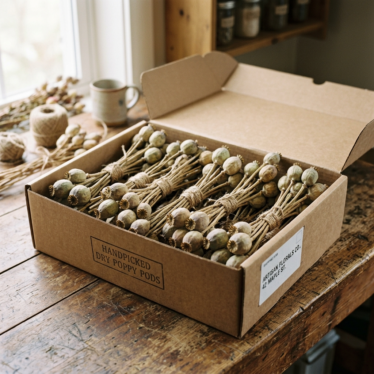
If you’re a florist, event planner, reseller, or serious crafter, buying wholesale dried poppy pods is where the real value lives. Instead of grabbing a stem or two, you buy by the pound, the bunch, or the box. The advantages stack up quickly:
Lower cost per pod. Bulk pricing almost always beats single-stem pricing, which protects your margins if you’re reselling or building products to sell.
Consistent supply. Poppy pods are seasonal, and supply can tighten. Stocking up means you won’t get caught short during your busy season.
Visual consistency. Buy one large lot from a single supplier and your pods tend to match in colour and size. That’s tough to achieve when you piece together small orders.
Fewer shipping hassles. One large shipment usually costs less per unit to ship than several small ones, with less packaging waste too.
Matching Quantity to Your Project
Buying the right amount saves money and prevents mid-project shortages. Here’s a simple guide:
Project Type
Suggested Approach
Single centrepiece or vase
Small bunch or a handful of heads
Recurring shop arrangements
Medium bulk for steady supply
Events and installations
Large bulk for best per-unit value
Craft batches and classes
Large bulk of pod heads
When you buy dried poppy pods in bulk, the cost per pod drops and your colours and sizes stay consistent across the whole project. That kind of consistency is hard to match otherwise. For a full deep-dive on quantities, pricing tiers, and supplier vetting, our complete guide to bulk dried poppy pods walks you through every step.
Understanding Pricing Tiers
Dried poppy pod pricing depends on type, size, grade, and quantity. Here’s what drives the number:
Size and grade: Larger, cleaner, hand-sorted pods cost more.
Variety: Premium Papaver somniferum heads typically command higher prices than small ornamental pods.
Quantity: Per-unit price drops as your order grows.
Processing: Naturally dried, untreated pods may be priced differently than treated or specialty lots.
Product pages such as Dried Poppy Pod Heads and Papaver Poppy Pods list price ranges that shift with the size and quantity you select, so always confirm current rates before ordering.
Using Dried Poppy Pods in Floral Design
For florists and event planners, poppy pods solve a common headache: how do you add height, texture, and visual interest without leaning on fresh flowers that wilt in the Aussie heat? These pods are your answer.
Build Long-Lasting Centrepieces
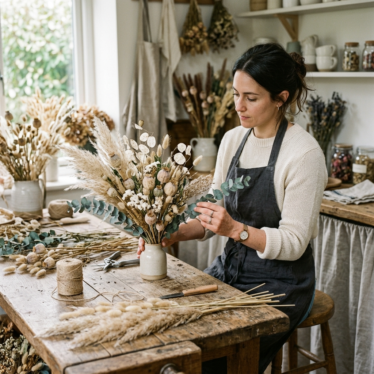
Dried poppy pods are perfect for everlasting centrepieces. Their tall stems and bold heads create a natural focal point, and because they never need water, you can build arrangements days or even weeks ahead of an event. For anyone slammed during wedding season, that’s an absolute game-changer!
Picture a summer wedding table: tall poppy pods paired with dried banksia, eucalyptus, and wheat. It’s textured, neutral, and completely water-free. No wilting, no last-minute panic, no droopy blooms by the second course. The big, smooth heads of dried papaver pods work especially well as the statement element here.
Add Structure to Wreaths and Installations
Poppy pods give wreaths and hanging installations a lovely sculptural rhythm. Space them evenly around a base for a modern, minimalist look, or cluster them for a wild, organic feel. Both work — it just depends on the mood you’re chasing.
For large event installations like arches, backdrops, and suspended displays, buying wholesale dried poppy pods keeps your costs sensible while giving you enough material to cover big surfaces. Trust me, running short mid-installation is no fun!
Mix Sizes for Depth
Here’s a pro trick. Layer different pod sizes to build depth. Use the larger somniferum heads as your anchors and smaller pods to fill the gaps. That contrast keeps the eye moving and makes an arrangement feel considered rather than flat.
Florist tip: Cut stems at varying heights before you arrange. Staggered heights read as more natural and give your design a polished, professional finish.
Styling Your Home With Dried Poppy Pods
Now for the really enjoyable part! Styling poppy pods is genuinely one of the easiest ways to lift a space, and you don’t need any special skills to nail it. Let me walk you through my favourite approaches.
The Effortless Vase Display
This is the simplest win, and it’s still one of the prettiest. Grab a tall clear or ceramic vase, drop in a handful of pods, and you’re done. No water, no trimming, no upkeep — just clean, sculptural style that lasts for years.
Here’s a little tip from experience: cut the stems at slightly different heights before you pop them in. Staggered heights read as far more natural and give the whole display a polished, intentional feel. Even spacing looks a touch stiff, so let them lean and layer! For that raw, earthy vibe, the fresh, untreated poppy pods keep their original tones and pair beautifully with terracotta, timber, and woven textures.
Bowl Fillers and Tablescapes
Loose pod heads make excellent bowl fillers and table scatter. Use them solo for a minimalist look, or mix them with dried citrus, gum nuts, and eucalyptus for a seasonal tablescape that’ll have your dinner guests asking where you found them!
Try filling a shallow timber bowl with pod heads and a scattering of native seed pods for a coffee table centrepiece that feels distinctly Australian. It’s low, textural, and totally maintenance-free.
Mantel and Shelf Styling
Tuck a small bundle into a mantel arrangement, or lean a few tall stems against a shelf to add height. Poppy pods love the company of neutral tones, raw wood, and woven baskets. A single tall stem in a slim bud vase can quietly transform a bookshelf corner.
Seasonal Refreshes
Because they’re so durable, one supply can carry you through the whole year. Paint a batch gold for the festive season, keep a natural batch for spring, and rotate as your mood (and your décor) changes. That’s the beauty of a material that never wilts — it’s endlessly reusable!
Décor takeaway: Start with one big vase display, then expand into bowls, mantels, and tablescapes as you find your rhythm.
Creative Craft Projects With Dried Poppy Pods
Crafters, this is your playground! Poppy pods take paint, glue, and metallic finishes beautifully, and the hollow heads are sturdy yet easy to handle. Here are a few projects worth a weekend.
Painted and Gilded Ornaments
One of the simplest, most striking projects is painting or gilding pods. A coat of matte white, deep navy, or metallic gold turns a plain pod into a polished decorative piece.
Spray-paint heads for a smooth, even finish
Brush on metallic leaf for a luxe, glowing look
Dip stems in paint for a playful two-tone effect
Loose dried poppy pod heads are ideal for this kind of detail work since there’s no stem getting in your way. And here’s my most important tip: always test your finish on a single pod first before committing a whole batch. It saves so much heartache!
Resin and Pressed Art
Smaller pods embed gorgeously in resin for coasters, paperweights, and jewellery. Their natural texture adds an organic interest that printed designs just can’t replicate. If you’ve never worked with resin, poppy pods are a forgiving, beginner-friendly place to start.
Kids’ and Classroom Crafts
Because they’re durable and affordable in bulk, poppy pods are wonderful for group crafts. Painting, stamping, and simple assembly projects all work brilliantly with a big shared supply. Bonus: the gentle rattle of the seeds inside is a genuine hit with little ones!
How to Store Dried Poppy Pods
You’ve bought beautiful pods — now let’s keep them looking that way! Storage is simple, but a little care goes a long way, especially in our climate.
Keep Them Dry
Moisture is the enemy. Store pods in a dry room with good air flow. Avoid basements, bathrooms, and anywhere humidity spikes — this matters a lot in Australia’s more tropical, coastal regions!
Stay Out of Direct Sunlight
Long-term sun exposure fades natural colour. Keep pods in a shaded spot or a closed box if you’re storing them for months.
Use Breathable Containers
Cardboard boxes, paper bags, or open bins work far better than sealed plastic, which traps moisture and can cause mould. If you must use a bin, pop in a desiccant packet.
Handle Gently and Watch for Pests
Dried pods can be brittle, so layer larger heads loosely and avoid crushing them under heavy items. Check your supply now and then for insects, and keep storage areas clean. The University of Minnesota Extension offers practical guidance on drying and preserving botanicals that’s well worth a read.
Storage takeaway: cool, dry, dark, and breathable. Nail those four and quality pods can last for years.
Legal Context: Buying Dried Poppy Pods in Australia
Let’s cover the important part clearly. Dried poppy pods are widely sold for decorative, craft, and floral use. That said, poppy plants and their by-products are regulated in Australia, and rules can vary depending on the species, the state or territory, and the intended use.
The Papaver somniferum species is subject to specific controls under Australian law, and cultivation is tightly regulated. When it comes to buying dried pods for décor and crafts, it’s your responsibility to understand and follow the regulations that apply where you live.
For authoritative, up-to-date information, check official sources such as the Australian Government’s Therapeutic Goods Administration and your relevant state or territory health department. Regulations do change, so always confirm current rules before you buy, store, or use dried poppy pods.
This guide is provided for decorative and general informational purposes only. It is not medical or legal advice.
Before you place an order, run through these six steps:
Pick your variety — large Papaver somniferum, ornamental, pod heads, or untreated.
Match the use — arrangements, crafts, décor, or display.
Run the quality check — colour, shape, dryness, stems, rattle.
Choose your quantity tier — balance amount against per-unit price.
Plan your storage — cool, dry, dark, breathable.
Check the legal side — confirm the rules for your state or territory.
Tick all six boxes and you’ll buy with total confidence!
Start Your Next Project Today
Dried poppy pods really are one of the most flexible, forgiving, and beautiful materials you can keep on hand — equally at home in a wedding installation, a kids’ craft table, or a minimalist Australian mantel. Buy them in bulk and you’ll always have a ready supply for whatever you’re creating next.
So, what will you create first? A statement vase? A gilded ornament? A whole tablescape? Whatever you’re dreaming up, the right pods make all the difference.
Dried poppy pods are the mature seed heads of the poppy plant, harvested after the petals fall and the pod hardens. Once cured, they keep their round, sculptural shape and sturdy stem for years. They’re prized for floral design, home décor, and crafts because they never wilt and need no water. Browse the full range in the Premium Poppy Pods shop.
What types of dried poppy pods are available in Australia?
The main types are large Papaver somniferum pods, smaller ornamental varieties, pod heads sold with little or no stem, and fresh untreated pods. Big somniferum heads suit statement arrangements, while pod heads work best for crafts and bowl fillers. Compare the papaver poppy pods (Grade A) and dried poppy pod heads lines to find your match.
What are Papaver somniferum pods?
Papaver somniferum pods are the classic large-headed poppy pods most people picture — smooth, rounded, and topped with a crown-like cap. Their generous size makes them the star of dried arrangements, wreaths, and shadow boxes. For cleanly dried, well-formed heads, the dried papaver pods (Grade A) line is a great pick.
What are poppy pod heads?
Poppy pod heads are pods sold with little or no stem — just the rounded seed head on its own. They’re perfect for bowl fillers, potpourri, table scatter, and painting projects, since there’s no stem getting in the way. The dried poppy pod heads collection is ideal when you need heads rather than full stems.
What are untreated dried poppy pods?
Untreated pods haven’t been bleached, dyed, or chemically processed, so they keep their natural colour and texture. Many buyers prefer them for rustic and organic Australian interiors. If that raw, earthy look fits your project, start with the fresh, untreated poppy pods page.
What are dried poppy pods used for in Australia?
Dried poppy pods are mainly used for floral arrangements, home décor, and crafts. Their round seed heads add height and texture to everlasting bouquets, wreaths, and centrepieces, and they take paint and gilding well for DIY projects. Because they’re already dried, they last for months or years without water — ideal for our warm climate.
How do I style dried poppy pods at home?
The easiest win is a vase display — drop a handful into a tall clear or ceramic vase, no water needed. You can also use loose pod heads as bowl fillers, add tall stems to mantels for height, or mix them into tablescapes with eucalyptus and gum nuts. Cut stems at varying heights for a more natural, polished look.
Can I use dried poppy pods for crafts?
Yes! Dried poppy pods take paint, glue, and metallic finishes beautifully. Popular projects include painted or gilded ornaments, resin coasters and jewellery, and natural mobiles. Loose dried poppy pod heads are especially handy for detail work. One tip: always test your finish on a single pod before committing a whole batch.
Are dried poppy pods good for floral design?
Absolutely. They add height, texture, and sculptural contrast without wilting in the heat, so florists can build arrangements days or weeks ahead of an event. Pair large heads with pampas grass, banksia, and eucalyptus for a neutral, textured palette. The big heads of dried papaver pods work brilliantly as the statement element.
Where can I buy dried poppy pods in Australia?
You can buy dried poppy pods online from specialist suppliers like Premium Poppy Pods, which offers a full range of types and quantities. Browse the Premium Poppy Pods shop, then select your size and quantity on each product page to see current pricing. A specialist supplier usually offers better grading and more consistent quality than a general floral wholesaler.
How do I buy dried poppy pods in bulk?
Visit the Premium Poppy Pods shop, pick your variety, then choose a larger quantity tier on the product page. Bulk buying lowers your cost per pod, gives you matching colour and size, and cuts per-unit shipping. For a full walkthrough on tiers and supplier vetting, see the complete guide to bulk dried poppy pods.
How much do dried poppy pods cost?
Pricing depends on type, size, grade, and quantity. Larger, cleaner, hand-sorted pods and premium Papaver somniferum heads cost more, while the per-unit price drops as your order grows. Product pages list price ranges that shift with the size and quantity you select, so always confirm current rates before ordering.
How do I know if dried poppy pods are good quality?
Look for even, natural colour, a firm and lightweight feel, sturdy intact stems, and a gentle rattle when shaken — that rattle means the seeds inside are dry

sales@primiumpoppypods.com