
- Your cart is empty
- Continue shopping
-
sales@primiumpoppypods.com
- Posted on
- Categories:Uncategorized
- 0 comments
Austrian Poppy Seed Strudel Recipe (Mohnstrudel): The Ultimate Authority Guide
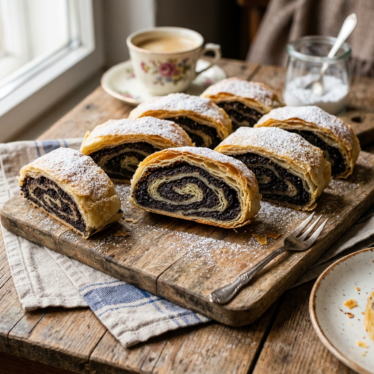
There’s something truly magical about pulling a golden Austrian poppy seed strudel out of the oven! The warm, nutty aroma fills the whole kitchen, and that first slice reveals a gorgeous dark spiral of sweet poppy seed filling tucked inside soft, tender dough. If you’ve ever wanted to bake a real taste of Austria at home, you’ve landed in exactly the right place.
This is your complete Austrian poppy seed strudel recipe and guide, built to be the single source you’ll come back to again and again. By the time you finish reading, you’ll understand what Mohnstrudel really is, where it comes from, and why quality ingredients change everything. More importantly, you’ll know how to bake it yourself, start to finish, with confidence.
We’ll walk through the rich history behind this beloved pastry, the ingredients that make it shine, a detailed step-by-step method, expert tips and variations, common mistakes to dodge, and answers to the questions home bakers ask most. Whether you’re a curious first-timer or a seasoned baker chasing that authentic Viennese coffee-house feel, this Mohnstrudel recipe for traditional Austrian baking has you covered. Let’s get baking!
What Is Austrian Poppy Seed Strudel (Mohnstrudel)?
Austrian poppy seed strudel, known locally as Mohnstrudel, is a classic rolled pastry filled with a rich, sweet ground poppy seed mixture. The word Mohn means poppy seed in German, and strudel refers to the rolled, layered shape that gives the pastry its signature swirl. When you slice into it, you see beautiful concentric rings of pale dough wrapped around the deep, almost black filling.
Unlike the flaky, paper-thin pastry used for apple strudel, Mohnstrudel is most often made with a soft, enriched yeast dough. This gives it a tender, bread-like texture that holds the generous poppy seed filling perfectly. Think of it as a cross between a sweet roll and a strudel, with the comforting feel of fresh-baked bread.
This treat sits proudly alongside other favorites like the Austrian poppy seed pastry and the beloved Austrian poppy seed cake. All three celebrate the humble poppy seed, but the strudel stands out for that eye-catching spiral and its satisfying, doughy bite.
You’ll find Mohnstrudel served at coffee houses across Vienna, at family celebrations, and especially during the holidays. It pairs wonderfully with a strong cup of coffee or a glass of cold milk. Honestly, once you make it at home, you’ll wonder why you waited so long!
Mini takeaway: Mohnstrudel is a soft, yeast-dough strudel rolled around a sweet ground poppy seed filling, prized for its tender bite and signature dark spiral.
The History & Cultural Roots of Mohnstrudel
Poppy seeds have been part of Central European cooking for centuries. Their use in Austrian baking goes back to the days of the Austro-Hungarian Empire, when poppy seeds were a common, affordable ingredient grown across the region. Bakers ground them into sweet pastes and used them to fill rolls, cakes, and strudels, especially during festive seasons.
The strudel itself has roots that stretch even further back, with influences traveling along the trade routes of the old empire. The technique of rolling thin dough around a filling shows clear ties to Middle Eastern and Byzantine pastry traditions. Over time, Austrian bakers made the method their own, creating both the famous thin-dough fruit strudels and the softer, yeasted versions used for poppy seed and nut fillings.
Poppy seeds carry real cultural meaning, too. In many Central European traditions, they symbolize abundance and good fortune, which is why poppy seed dishes appear so often at Christmas, New Year, and Easter tables. A slice of Mohnstrudel is more than dessert. It’s a connection to generations of family bakers who passed these recipes down with love, each adding their own little twist.
The Waldviertel: Austria’s Poppy Seed Heartland
One region deserves special mention: the Waldviertel in Lower Austria. This area is famous for its high-quality poppy seed farming, and it even holds annual festivals to celebrate the harvest! According to Austria’s official tourism site, the Waldviertel poppy (Waldviertler Graumohn) holds protected designation status, a sign of just how prized these seeds truly are. When you use top-tier seeds, you’re tasting the same tradition that Austrian bakers have cherished for generations.
Mini takeaway: Mohnstrudel isn’t just dessert. It’s a tasty piece of living history rooted in centuries of Central European baking and Austria’s celebrated poppy harvest.
What Makes Mohnstrudel Different from Other Strudels?
When most people hear “strudel,” they picture flaky, paper-thin apple strudel. Mohnstrudel is a different beast altogether, and that’s a big part of its charm!
Instead of crisp, delicate layers, Mohnstrudel uses a soft, enriched yeast dough. Think tender and bread-like, almost like a sweet roll. This pillowy texture is the perfect partner for the rich, dense poppy seed filling rolled inside. The two work together beautifully, giving you a satisfying bite that crisp pastry simply can’t match.
When you slice it, you get those gorgeous concentric spirals of pale dough wrapped around deep, dark filling. It’s as beautiful as it is delicious. Honestly, it looks like you bought it straight from a Viennese coffee house!
When to choose Mohnstrudel vs. apple strudel: Reach for Mohnstrudel when you want a soft, comforting, bread-like dessert with a nutty depth. Choose apple strudel when you’re after a light, crisp, fruity treat. Both are wonderful, just very different experiences.
Key Ingredients for the Perfect Austrian Poppy Seed Strudel
Great Mohnstrudel starts with great ingredients. The recipe is simple, so each component really matters. Here’s the single most important lesson I can share: your strudel will only ever be as good as your poppy seeds. They’re the star of the show!
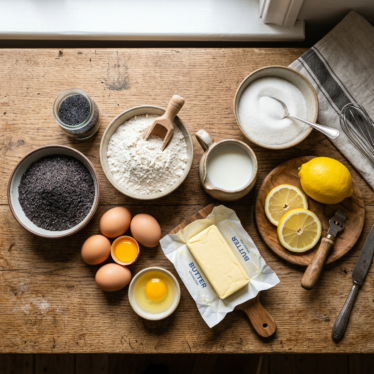
For the Dough
- Flour: All-purpose flour works beautifully. For an even softer crumb, try bread flour, which adds a little extra structure.
- Yeast: Active dry or instant yeast gives the dough its soft, pillowy rise. Fresh yeast is traditional if you can find it!
- Milk: Whole milk adds richness. Warm it gently to activate the yeast, but never make it hot, or you’ll harm those live cells.
- Butter: Use real, unsalted butter for the best flavor and a tender texture.
- Sugar: Just a touch sweetens the dough and feeds the yeast.
- Eggs: They enrich the dough and help bind everything together.
- Salt: A small pinch balances the sweetness and sharpens the flavor.
For the Poppy Seed Filling
- Ground poppy seeds: This is the star! Always grind them fresh or buy finely ground seeds. Whole seeds won’t release their full flavor and can taste gritty. Quality matters enormously here, so reach for premium poppy seeds whenever you can.
- Milk: Used to soften and cook the seeds into a smooth, spreadable paste.
- Sugar or honey: Sweetens the filling. Honey adds a lovely floral depth.
- Butter: Adds richness and a silky texture.
- Lemon zest: Brightens the earthy poppy flavor. Don’t skip it!
- Rum or vanilla: A splash of rum is traditional, but vanilla works wonderfully for a family-friendly version.
- Raisins (optional): Many classic recipes add plump raisins for little bursts of sweetness.
Why Quality Poppy Seeds Matter Most
A quick tip from experience: the freshness of your poppy seeds makes or breaks this recipe. Poppy seeds are high in natural oils, which means old ones can turn bitter and rancid surprisingly fast. Always taste before you bake! Buy from a trusted source and use them while they’re fresh for that deep, nutty, slightly sweet flavor you’re after.
Mini takeaway: Simple ingredients shine here, but fresh, finely ground poppy seeds are non-negotiable for authentic flavor.
Step-by-Step Austrian Poppy Seed Strudel Recipe
Ready to bake? This recipe makes one generous strudel that serves about 10 to 12 slices. Set aside a relaxed afternoon, because the dough needs time to rise. Trust me, the wait is worth every minute!
Ingredients
Dough:
- 3 cups (375 g) all-purpose flour
- 2¼ teaspoons (1 packet) instant yeast
- ¾ cup (180 ml) warm whole milk
- ¼ cup (50 g) sugar
- 4 tablespoons (60 g) unsalted butter, melted
- 1 large egg
- ½ teaspoon salt
Poppy seed filling:
- 2 cups (250 g) finely ground poppy seeds
- 1 cup (240 ml) whole milk
- ½ cup (100 g) sugar or ⅓ cup honey
- 3 tablespoons (45 g) unsalted butter
- Zest of 1 lemon
- 1 tablespoon rum or 1 teaspoon vanilla extract
- ⅓ cup (50 g) raisins (optional)
For finishing:
- 1 egg, beaten (for egg wash)
- Powdered sugar, for dusting
Step 1: Make the Dough
In a large bowl, combine the flour, yeast, sugar, and salt. In a separate bowl, whisk together the warm milk, melted butter, and egg. Pour the wet ingredients into the dry and mix until a shaggy dough forms.
Turn the dough onto a lightly floured surface and knead for about 8 to 10 minutes, until it’s smooth and elastic. It should feel soft and slightly tacky but not sticky. Place it in a greased bowl, cover with a clean towel, and let it rise in a warm spot for about 1 to 1.5 hours, until doubled in size.
Step 2: Prepare the Poppy Seed Filling
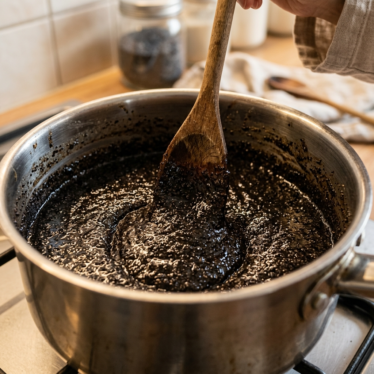
While the dough rises, make your filling. In a saucepan over medium heat, warm the milk, sugar (or honey), and butter until the butter melts and the mixture is hot but not boiling. Stir in the ground poppy seeds and cook gently for 5 to 7 minutes, stirring often, until the mixture thickens into a spreadable paste.
Remove from heat and stir in the lemon zest, rum or vanilla, and raisins if using. Let the filling cool completely. It will thicken further as it cools, making it much easier to spread.
Step 3: Roll and Fill
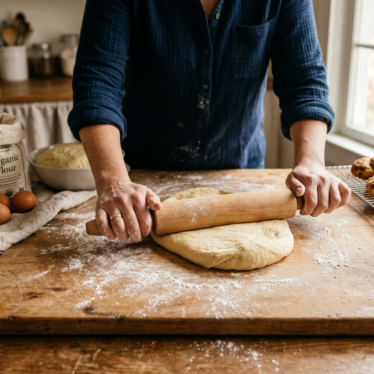
Once the dough has doubled, punch it down and turn it onto a floured surface. Roll it into a large rectangle, roughly 12 by 16 inches and about ¼ inch thick. Take your time to keep it even.
Spread the cooled poppy seed filling evenly over the dough, leaving a 1-inch border on all sides. This border helps seal the strudel and stops the filling from leaking out.
Step 4: Roll It Up
Starting from one long edge, gently roll the dough into a tight log, much like you would a cinnamon roll. Pinch the seam and tuck the ends underneath to seal everything in. Place the strudel seam-side down on a parchment-lined baking sheet.
Cover loosely and let it rest for another 30 minutes while your oven preheats to 350°F (175°C). This second rise gives you that soft, tender texture.
Step 5: Bake
Brush the top of the strudel with the beaten egg for a beautiful golden shine. Bake for 35 to 40 minutes, until deeply golden and firm to the touch. If the top browns too quickly, tent it loosely with foil.
Step 6: Cool and Serve
Let the strudel cool for at least 20 minutes before slicing. Dust generously with powdered sugar, slice, and serve! That first warm bite, with its tender dough and rich poppy filling, is pure joy.
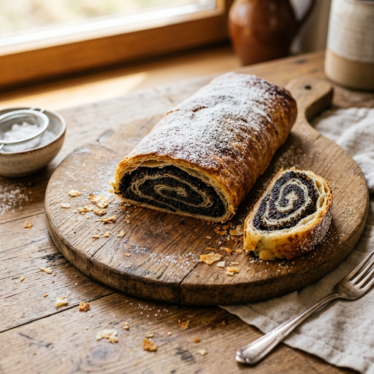
Mini takeaway: Two short rises, a cooled filling, and a tight roll are the secrets to a soft strudel with picture-perfect spirals.
Baking Tips, Variations & Common Mistakes
Want bakery-quality results every time? These tried-and-true pointers will help you nail your Mohnstrudel.
Top Tips for Success
- Use fresh, finely ground poppy seeds. This is the single most important factor. Grind whole seeds in a spice grinder right before using, or buy quality pre-ground seeds.
- Don’t rush the rises. Patience gives you that soft, fluffy dough. A warm, draft-free spot speeds things along.
- Cool the filling completely. Warm filling melts into the dough and turns rolling into a sticky mess.
- Roll tightly. A snug roll creates those gorgeous, defined spirals everyone admires.
- Brush with egg wash. That golden, glossy top is just a beaten egg away!
- Let it rest before slicing. Cutting too soon squishes the spiral. Give it 20 minutes.
For extra confidence working with enriched yeast doughs, BBC Good Food offers excellent beginner-friendly guidance that translates beautifully to this recipe.
Delicious Variations
- Nutty twist: Add ground walnuts or almonds to the filling for extra texture.
- Citrus boost: Swap lemon zest for orange zest for a sweeter, brighter note.
- Apple Mohnstrudel: Fold in finely grated apple for a moist, fruity version.
- Glazed finish: Instead of powdered sugar, drizzle a simple lemon glaze over the cooled strudel.
Common Mistakes to Avoid
- Using old poppy seeds: Their high oil content means they go rancid fast. Always taste before baking.
- Overheating the milk for the dough: Too hot, and you’ll kill the yeast. Aim for warm to the touch, around 110°F (43°C).
- Skipping the border when filling: Without it, the filling oozes out and burns.
- Slicing too soon: Cutting while hot can squish that lovely spiral. Let it rest!
Mini takeaway: Fresh seeds, gentle heat, a clean border, and a little patience are what separate good strudel from unforgettable strudel.
Nutritional Benefits of Poppy Seeds
Here’s a happy surprise: those tiny poppy seeds pack a real nutritional punch! While Mohnstrudel is definitely a treat, the star ingredient brings some genuine benefits to the table.
Poppy seeds are rich in important minerals. They’re an excellent source of calcium, which supports strong bones and teeth. They also deliver iron, essential for healthy blood and energy levels, plus magnesium, which supports muscle and nerve function.
On top of that, poppy seeds contain dietary fiber, which aids digestion, and healthy fats that contribute to the filling’s lovely moist texture. They even provide small amounts of zinc, manganese, and B vitamins.
Of course, like any dessert, Mohnstrudel is best enjoyed in moderation. But it’s nice to know that this indulgence carries a wholesome heart. When you bake with high-quality seeds, you get the best flavor and the most nutritional value in every slice.
Mini takeaway: Poppy seeds add calcium, iron, magnesium, fiber, and healthy fats, making this treat a touch more wholesome than most.
Where to Buy Premium Poppy Seeds
The secret to unforgettable Mohnstrudel is right there in the name: Mohn, the poppy seed. Everything depends on quality. Fresh, well-sourced seeds give you that deep, nutty, naturally sweet flavor. Stale or low-grade seeds can taste flat or even bitter.
That’s why we recommend sourcing your seeds from a trusted specialist. At Primium Poppy Pods, you’ll find premium poppy seeds and authentic Austrian-style products perfect for traditional baking. Whether you’re making strudel, cake, or pastry, starting with the best ingredients makes all the difference.
Looking to stock up or explore the source itself? You can also buy dried poppy pods for decorative and culinary use. They’re a beautiful way to celebrate this beloved ingredient in your own kitchen.
Serving Suggestions: How to Enjoy Your Mohnstrudel
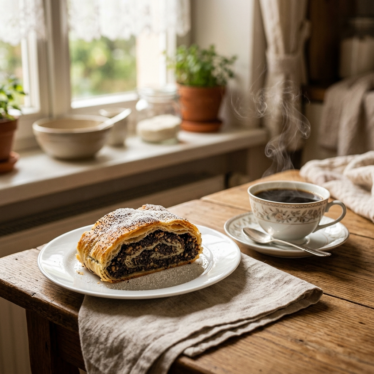
Now for the best part: eating it! The classic Austrian way is to pair a warm slice with a strong cup of coffee. The bitter-rich coffee and sweet, nutty strudel are a match made in heaven.
Want to dress it up? Try these ideas:
- Dust generously with powdered sugar for the traditional finish.
- Add a dollop of whipped cream or a drizzle of vanilla sauce.
- Serve alongside fresh berries for a pop of color and freshness.
- Drizzle a simple lemon glaze over the cooled strudel.
Mohnstrudel also keeps beautifully. Wrapped well, it stays fresh at room temperature for two to three days, and it freezes for up to three months. Just thaw, warm slightly, and enjoy!
Mini takeaway: Serve it warm with coffee for the authentic experience, and store leftovers wrapped or frozen for later treats.
Frequently Asked Questions About Mohnstrudel
What is Mohnstrudel?
Mohnstrudel is a traditional Austrian poppy seed strudel made from soft, enriched yeast dough rolled around a sweet ground poppy seed filling. The word Mohn means poppy seed in German, and when you slice the strudel, you’ll see a gorgeous dark spiral inside! It’s a cherished part of Austrian baking, enjoyed at celebrations, holidays, and everyday coffee breaks alike.
What ingredients go into an Austrian poppy seed strudel recipe?
The dough uses flour, yeast, milk, butter, sugar, eggs, and a pinch of salt for a soft, tender crumb. The poppy seed filling combines finely ground poppy seeds, milk, sugar or honey, butter, lemon zest, and a splash of rum or vanilla. Many bakers also add raisins for little bursts of sweetness! Quality fresh poppy seeds are the most important ingredient, so always start with the best you can find.
How do you grind poppy seeds for strudel filling?
Grind whole poppy seeds in a clean spice grinder, coffee grinder, or a dedicated poppy seed mill until they form a fine, dark powder. Work in small batches and pulse just until ground, since over-grinding can release too much oil. Freshly ground seeds release their rich, nutty flavor and create a smooth, spreadable paste, while whole seeds stay hard and gritty. If grinding isn’t an option, buy finely ground seeds from a trusted source.
What is the difference between Mohnstrudel and other strudels?
Mohnstrudel uses a soft, bread-like enriched yeast dough, while classic apple strudel uses thin, flaky pastry. This pillowy texture is the perfect partner for the dense, rich poppy seed filling rolled inside. The result is closer to a sweet roll than a crisp, layered pastry. You’ll love both, but they offer completely different experiences!
What is the difference between poppy seed strudel and poppy seed roll?
The two are very similar and the names are often used interchangeably. Both feature a yeast dough rolled around poppy seed filling. “Strudel” emphasizes the rolled, layered shape, while “roll” is a more general term. The Austrian Mohnstrudel uses a soft, bread-like dough rather than the thin, flaky pastry found in apple strudel.
What are the best baking tips for perfect poppy seed strudel?
Let the dough rise fully in a warm, draft-free spot for the softest, fluffiest texture. Always cool your filling completely before spreading, since warm filling melts into the dough and makes rolling messy. Roll the strudel tightly to create those beautiful, defined spirals, and leave a one-inch border so you can seal it and prevent leaks. Finish with an egg wash for a glossy, golden top!
What common mistakes should I avoid when making Mohnstrudel?
The biggest mistake is using old or rancid poppy seeds, which turn bitter because of their high natural oil content, so always taste before baking. Avoid overheating the milk for your dough, as too much heat kills the yeast; aim for warm to the touch, around 110°F (43°C). Don’t skip the border when filling, or the mixture will ooze out and burn. Finally, resist slicing too soon, since cutting while hot squishes that lovely spiral.
Can I make Austrian poppy seed strudel ahead of time?
Absolutely. You can prepare the filling a day in advance and store it in the fridge, which actually makes it easier to spread. The baked strudel keeps well at room temperature for two to three days when wrapped, and it freezes beautifully for up to three months. Simply thaw and warm slightly before serving.
Why does my poppy seed filling taste bitter?
Bitterness usually comes from old or rancid poppy seeds. Because poppy seeds are high in natural oils, they spoil faster than many other seeds. Always use fresh seeds, store them in an airtight container in a cool place, and taste them before baking to be sure they’re sweet and nutty.
What should I serve with Mohnstrudel?
Serve Mohnstrudel the classic Austrian way: with a strong cup of coffee that balances its sweet, nutty richness. A light dusting of powdered sugar is the traditional finishing touch, but you can also add whipped cream, a drizzle of vanilla sauce, or fresh berries. A simple lemon glaze over the cooled strudel is another delicious option!
Are poppy seeds nutritious?
Yes, poppy seeds pack a surprising nutritional punch! They’re an excellent source of calcium for strong bones, iron for healthy blood, and magnesium for muscle and nerve function. They also provide dietary fiber, healthy fats, and small amounts of zinc, manganese, and B vitamins. Mohnstrudel is still a treat best enjoyed in moderation, but it’s nice knowing the star ingredient carries a wholesome heart.
Where can I buy quality poppy seeds for Austrian baking?
For fresh, premium poppy seeds ideal for traditional Austrian baking, choose a trusted specialist such as Primium Poppy Pods. High-quality seeds deliver the deep, nutty flavor that makes Mohnstrudel truly unforgettable, while stale seeds can taste flat or bitter. Stock up on fresh seeds before you bake, and your strudel will reward you with every golden, swirled slice!
Conclusion: Bring the Taste of Austria to Your Kitchen
There’s real joy in baking something with this much history and heart. From the soft, golden dough to that signature dark spiral, Mohnstrudel turns an ordinary afternoon into a celebration. You now know what makes it special, where it comes from, and exactly how to bake it step by step. The secret, as you’ve learned, lives in the quality of your poppy seeds and a little patience during those important rises.
Ready to bake your own? Start with the very best ingredients. Grab your premium poppy seeds from Primium Poppy Pods today and bring the warm, nutty flavor of traditional Austrian baking straight to your table. Your first golden, swirled slice is waiting, and trust me, it’s worth every minute!
FAQ Schema (JSON-LD)
{
  "@context": "https://schema.org",
  "@type": "FAQPage",
  "mainEntity": [
    {
      "@type": "Question",
      "name": "What is Mohnstrudel?",
      "acceptedAnswer": {
        "@type": "Answer",
        "text": "Mohnstrudel is a traditional Austrian poppy seed strudel made from soft, enriched yeast dough rolled around a sweet ground poppy seed filling. The word Mohn means poppy seed in German, and when you slice the strudel, you see a dark spiral inside. It is a cherished part of Austrian baking, enjoyed at celebrations, holidays, and everyday coffee breaks alike."
      }
    },
    {
      "@type": "Question",
      "name": "What ingredients go into an Austrian poppy seed strudel recipe?",
      "acceptedAnswer": {
        "@type": "Answer",
        "text": "The dough uses flour, yeast, milk, butter, sugar, eggs, and a pinch of salt for a soft, tender crumb. The poppy seed filling combines finely ground poppy seeds, milk, sugar or honey, butter, lemon zest, and a splash of rum or vanilla. Many bakers also add raisins for bursts of sweetness. Quality fresh poppy seeds are the most important ingredient, so always start with the best you can find."
      }
    },
    {
      "@type": "Question",
      "name": "How do you grind poppy seeds for strudel filling?",
      "acceptedAnswer": {
        "@type": "Answer",
        "text": "Grind whole poppy seeds in a clean spice grinder, coffee grinder, or a dedicated poppy seed mill until they form a fine, dark powder. Work in small batches and pulse just until ground, since over-grinding can release too much oil. Freshly ground seeds release their rich, nutty flavor and create a smooth, spreadable paste, while whole seeds stay hard and gritty. If grinding is not an option, buy finely ground seeds from a trusted source."
      }
    },
    {
      "@type": "Question",
      "name": "What is the difference between Mohnstrudel and other strudels?",
      "acceptedAnswer": {
        "@type": "Answer",
        "text": "Mohnstrudel uses a soft, bread-like enriched yeast dough, while classic apple strudel uses thin, flaky pastry. This pillowy texture is the perfect partner for the dense, rich poppy seed filling rolled inside. The result is closer to a sweet roll than a crisp, layered pastry
