
- Your cart is empty
- Continue shopping
-
sales@primiumpoppypods.com
- Posted on
- Categories:Uncategorized
- 0 comments
Are Dried Poppy Pods Legal? The Complete Authority Guide (2026)
Dried poppy pods are one of nature’s most striking decorative treasures! Their woody texture, crown-like tops, and earthy tones make them absolute showstoppers in floral arrangements, rustic wreaths, and botanical displays. But before you fill your cart, you probably have one big question on your mind: are dried poppy pods legal?
It’s a fair question, and the honest answer is, “it depends.” The legality hinges on the variety, your intended use, and where you live. In this complete authority guide, we’ll walk you through everything you need to know, from US federal law and the DEA’s stance, to ornamental use versus drug use, state-by-state nuances, and international rules. By the end, you’ll know exactly how to enjoy these beautiful pods safely and legally.
Let’s dig in!
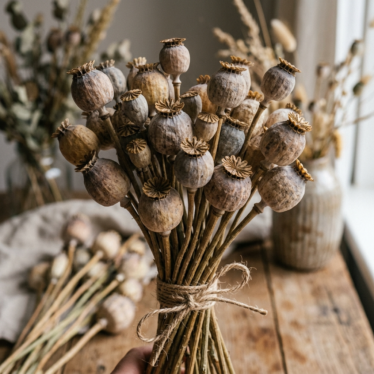
What Are Dried Poppy Pods?
Dried poppy pods are the seed capsules that form after a poppy flower drops its petals. Most decorative pods come from Papaver somniferum, often called the opium poppy or breadseed poppy. Once the pod matures and dries, it turns firm and woody, developing that gorgeous tan-to-brown hue and the recognizable star-shaped crown at the top.
Inside each pod sit hundreds of tiny seeds, the very same poppy seeds you’ve probably sprinkled on a bagel or muffin! When dried properly, these pods can last for years, which is exactly why florists, crafters, and home decorators adore them.
You’ll find pods in a lovely range of shapes and sizes. Our Austrian dried poppy pods feature large, rounded heads that command attention, while our Dried Papaver Poppy Pods offer that classic, elegant silhouette. Each variety brings its own personality to a design.
Here’s the key point that shapes this entire conversation: the pod is a natural plant material. What makes it legally complicated is the plant species it comes from, Papaver somniferum, which is also the source of opium alkaloids like morphine and codeine. That dual identity, beautiful decoration on one hand, controlled botanical on the other, is the heart of every legal question that follows.
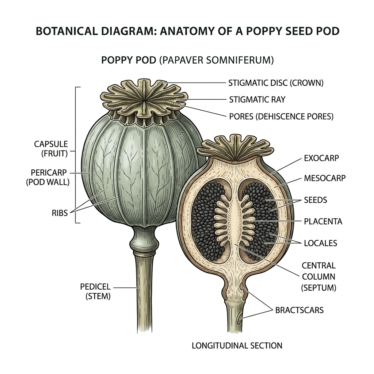
Why Poppy Pod Legality Is Complicated
So why all the confusion? Why isn’t there one simple yes-or-no answer?
The complexity comes down to one plant doing two very different jobs. Papaver somniferum produces:
- Stunning decorative pods prized by the floral and craft industries
- Poppy seeds used widely in baking and cooking
- Opium alkaloids (morphine, codeine, thebaine) that can be extracted from the plant material
Lawmakers have to balance legitimate, everyday uses against the risk of misuse. That balancing act is exactly why the law focuses so heavily on intent. The same dried pod can be perfectly legal as a decoration and completely illegal the moment someone plans to process it for its alkaloids.
Understanding this distinction is the single most important takeaway in this guide. Let’s break down what US federal law actually says.
US Federal Law: The DEA and Schedule II Context
Under the federal Controlled Substances Act, opium poppy and poppy straw are classified as Schedule II controlled substances. “Poppy straw” is the legal term for all parts of the poppy plant (except the seeds) after mowing, which absolutely includes dried pods.
You can review the full classification on the DEA controlled substances scheduling page. Schedule II means the substance has a recognized medical use but also a high potential for abuse and dependence.
So does this mean owning a single decorative pod lands you in legal trouble? Not exactly, and this is where intent becomes everything.
The Role of Intent
Federal enforcement focuses on what you plan to do with the pods. Selling or possessing dried poppy pods purely for ornamental, decorative, or floral purposes has long existed in a tolerated gray area. The pods are widely available through craft stores, floral wholesalers, and home decor retailers.
The trouble starts when pods are marketed, sold, or purchased with the intent to extract or consume the alkaloids, for example, to brew “poppy tea.” That crosses a bright legal line.
A Real Case That Proves the Point
This isn’t just theory. A widely reported DOJ sentencing case shows exactly what happens when intent crosses the line. An Arizona couple was each sentenced to three years in federal prison after shipping hundreds of pounds of poppy straw for redistribution.
What sealed their fate? The court documents revealed they weren’t selling decoration at all. They instructed buyers to disguise the purchases as “an online dried floral business” and labeled packages as “dried decorations,” while knowingly selling material destined to be steeped into morphine-rich tea. They were never registered importers with the DEA, as the law requires.
The lesson here is crystal clear: the legal risk lives in the intended use, not the pod itself. Decoration is one thing. Disguising drug distribution as decoration is a federal crime.

Ornamental Use vs. Drug Use: The Critical Distinction
If you remember just one section from this guide, make it this one. The difference between legal and illegal almost always comes down to purpose.
Ornamental and decorative use is generally accepted. This covers:
- Floral arrangements and dried bouquets
- Wreaths, garlands, and seasonal decor
- Botanical art and mixed-media crafts
- Educational displays of plant anatomy
- Collecting and display
Drug-related use is illegal and aggressively prosecuted. This includes:
- Brewing pods into “poppy tea”
- Grinding, soaking, or processing pods to extract alkaloids
- Buying or selling pods with the stated or implied purpose of consumption
- Any preparation intended for ingestion
When you shop for decorative pods, your purpose should always be aesthetic. Reputable suppliers, like us at Primium Poppy Pods, sell these pods strictly as decorative botanical materials. You can browse our full shop all poppy pods collection to see exactly how these products are presented for craft and design use.
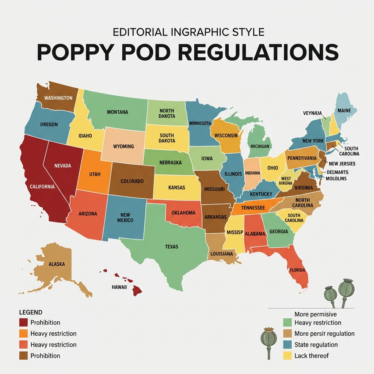
Poppy Pod Laws by State: A General Overview
Here’s something many shoppers don’t realize: while federal law sets the baseline, states layer their own rules on top. There’s no single, tidy nationwide chart that covers every situation, and laws can change, so this section is a general orientation rather than legal advice.
Broadly speaking, states fall into a few categories:
States With a Permissive Approach
Many states quietly allow the sale and possession of dried poppy pods for decorative and craft purposes. In these areas, you’ll find pods in craft stores, farmers markets, and floral supply shops without much fuss, as long as everything stays clearly ornamental.
States With Stricter Cultivation Rules
Some states pay closer attention to growing Papaver somniferum, even though the plant is sold widely as ornamental garden seed. Cultivating large quantities, especially in a way that suggests harvesting alkaloids, can attract scrutiny.
States Following Federal Enforcement Closely
A handful of states align tightly with federal controlled-substance enforcement. In these places, intent is examined carefully, and any hint of consumption-related purpose can trigger problems.
The honest, responsible takeaway? Always check your specific state and local regulations before buying or growing. When in doubt, consult a local attorney or your state’s controlled substance authority. Keeping your use purely decorative is the safest path no matter where you live.
International Legal Context: UK, Canada, and Australia
Poppy pods travel the globe in the decorative trade, so it’s worth understanding how a few other major countries handle them. If you’re buying or shipping internationally, this matters a great deal!
United Kingdom
In the UK, Papaver somniferum is commonly grown in gardens, and dried pods appear regularly in floristry. However, opium itself is controlled under the Misuse of Drugs Act. Possessing pods for decoration is generally fine, but extracting or preparing opium from them is firmly illegal. Notably, the DOJ case mentioned earlier involved poppy straw imported from the United Kingdom, a reminder that legal supply chains can still be abused by bad actors.
Canada
Canada controls opium poppy and its derivatives under the Controlled Drugs and Substances Act. Decorative use of dried pods exists in a tolerated space, but processing pods for consumption is prohibited. As always, intent drives enforcement.
Australia
Australia takes a notably stricter line. Poppy cultivation is tightly regulated, with licensed commercial growing concentrated in regions like Tasmania. Possession of poppy pods can be treated more seriously here, so anyone in Australia should research state and federal rules very carefully before buying.
The common thread across all these countries? Decoration tends to be tolerated, consumption is criminalized, and local laws always have the final say.
How to Legally Purchase Dried Poppy Pods for Decorative Use
Ready to bring these beautiful botanicals into your home or studio? Wonderful! Here’s how to shop smart and stay on the right side of the law.
1. Buy strictly for decorative purposes. Frame your purchase around floral design, crafting, and display. Never market or request pods for consumption.
2. Choose a reputable supplier. Established sellers who present pods as decorative botanicals signal a legitimate, ornamental-focused business. Browse our dried poppy pod heads listing to see how transparent product presentation should look.
3. Keep your records clean. Order through proper channels with clear receipts. Avoid sellers who suggest coded language or “discreet” labeling, which is a giant red flag, exactly the behavior that sent that Arizona couple to prison.
4. Know your local rules. Take five minutes to check your state and municipal regulations before ordering. A quick search now saves a world of worry later.
5. Store and display responsibly. Keep your pods dry and use them as the gorgeous decor pieces they’re meant to be.
For a deeper walkthrough on sourcing and selection, our buy dried poppy pod heads guide covers the buying process in friendly detail.

Quality-Buying Tips: How to Spot the Best Pods
Not all pods are created equal, and trust me, quality makes a huge difference in how your arrangements look and last! Here’s what I always look for:
- Well-preserved shape. The pod should be intact, plump, and free of cracks or crushing. A broken pod loses its sculptural charm fast.
- Even, natural color. A uniform tan or warm brown tone tells you the pods were dried properly. Patchy or moldy coloring is a no-go.
- Firm, woody feel. Give them a gentle squeeze (in your mind, since you’re shopping online!). Quality pods feel solid, never soft or spongy.
- Attached stems. Pods with sturdy stems are so much easier to arrange in bouquets and wreaths. They give you flexibility and a polished finished look.
- Consistent sizing. Whether you want bold, oversized heads or delicate clusters, look for suppliers who sort by size so you get exactly the look you’re after.
A little tip from experience: order a smaller bundle first if you’re trying a new supplier. That way you can check the quality with your own eyes before committing to a larger decorative project. You’ll thank yourself later!
Ready to Decorate? Shop Premium Poppy Pods Today!
There’s never been a better time to bring the natural beauty of dried poppy pods into your creative world. Whether you’re styling a rustic farmhouse mantel, crafting a one-of-a-kind wreath, or building a botanical centerpiece that wows every guest, these pods deliver texture and character like nothing else.
At Primium Poppy Pods, we offer hand-selected, premium-quality decorative pods sorted for shape, color, and durability, all presented strictly for ornamental and craft use.
✨ Explore our full collection and find your perfect pods:
- Discover our signature dried poppy pod heads
- Make a statement with bold Austrian dried poppy pods
- Add timeless elegance with Dried Papaver Poppy Pods
- Or browse everything at once in our shop all poppy pods store!
Your next stunning arrangement is just a click away. Happy decorating!
Final Thoughts
So, are dried poppy pods legal? For decorative and ornamental use, they’re widely available and broadly tolerated, as long as your purpose stays purely aesthetic. The legal danger appears the moment intent shifts toward extraction or consumption, which federal and international authorities treat very seriously.
Keep your use decorative, buy from reputable suppliers, check your local laws, and you’ll be free to enjoy these gorgeous botanical treasures with total peace of mind. Now go create something beautiful!
This article is for general informational purposes only and does not constitute legal advice. Laws vary by location and change over time, so always consult official sources or a qualified attorney for your specific situation.
Frequently Asked Questions
Are dried poppy pods legal in the United States?
Dried poppy pods come from Papaver somniferum, which is a Schedule II controlled substance as “poppy straw” under federal law. However, pods sold and possessed strictly for decorative, floral, and craft purposes are widely available and broadly tolerated. The legal risk arises only when there is intent to extract or consume opium alkaloids.
What is the difference between ornamental use and drug use of poppy pods?
Ornamental use covers floral arrangements, wreaths, crafts, botanical art, and display, all of which are generally accepted. Drug use includes brewing pods into tea or processing them to extract alkaloids for consumption, which is illegal and aggressively prosecuted under federal law.
Can I buy dried poppy pods legally for decoration?
Yes. You can legally purchase dried poppy pods for decorative and craft purposes from reputable suppliers who present them as ornamental botanicals. Always keep your purpose aesthetic, buy through proper channels with clear receipts, and check your state and local regulations first.
Why were people sentenced to federal prison for selling poppy pods?
In a documented DOJ case, an Arizona couple received three-year federal prison sentences for distributing hundreds of pounds of poppy straw intended to be made into morphine-rich tea. They disguised shipments as “dried decorations” and were not registered DEA importers, proving the illegal intent behind the sales.
Are poppy pods legal in the UK, Canada, and Australia?
In the UK and Canada, decorative use of dried pods is generally tolerated, while extracting or consuming opium from them is illegal. Australia regulates poppy cultivation and possession much more strictly. In all cases, local laws have the final say, so research your specific country and region.
Does owning a single decorative poppy pod break the law?
Enforcement focuses on intent rather than the pod itself. Owning pods purely for decoration sits in a tolerated gray area in most areas, while possession with intent to extract or consume alkaloids is illegal. Keeping your use strictly ornamental is the safest approach.
How do I choose high-quality dried poppy pods?
Look for pods with a well-preserved, intact shape, even natural tan-to-brown coloring, a firm woody texture, and attached stems for easier arranging. Buying from suppliers who sort pods by size and quality ensures you get the best decorative results.
{
  "@context": "https://schema.org",
  "@type": "FAQPage",
  "mainEntity": [
    {
      "@type": "Question",
      "name": "Are dried poppy pods legal in the United States?",
      "acceptedAnswer": {
        "@type": "Answer",
        "text": "Dried poppy pods come from Papaver somniferum, which is a Schedule II controlled substance as 'poppy straw' under federal law. However, pods sold and possessed strictly for decorative, floral, and craft purposes are widely available and broadly tolerated. The legal risk arises only when there is intent to extract or consume opium alkaloids."
      }
    },
    {
      "@type": "Question",
      "name": "What is the difference between ornamental use and drug use of poppy pods?",
      "acceptedAnswer": {
        "@type": "Answer",
        "text": "Ornamental use covers floral arrangements, wreaths, crafts, botanical art, and display, all of which are generally accepted. Drug use includes brewing pods into tea or processing them to extract alkaloids for consumption, which is illegal and aggressively prosecuted under federal law."
      }
    },
    {
      "@type": "Question",
      "name": "Can I buy dried poppy pods legally for decoration?",
      "acceptedAnswer": {
        "@type": "Answer",
        "text": "Yes. You can legally purchase dried poppy pods for decorative and craft purposes from reputable suppliers who present them as ornamental botanicals. Always keep your purpose aesthetic, buy through proper channels with clear receipts, and check your state and local regulations first."
      }
    },
    {
      "@type": "Question",
      "name": "Why were people sentenced to federal prison for selling poppy pods?",
      "acceptedAnswer": {
        "@type": "Answer",
        "text": "In a documented DOJ case, an Arizona couple received three-year federal prison sentences for distributing hundreds of pounds of poppy straw intended to be made into morphine-rich tea. They disguised shipments as 'dried decorations' and were not registered DEA importers, proving the illegal intent behind the sales."
      }
    },
    {
      "@type": "Question",
      "name": "Are poppy pods legal in the UK, Canada, and Australia?",
      "acceptedAnswer": {
        "@type": "Answer",
        "text": "In the UK and Canada, decorative use of dried pods is generally tolerated, while extracting or consuming opium from them is illegal. Australia regulates poppy cultivation and possession much more strictly. In all cases, local laws have the final say, so research your specific country and region."
      }
    },
    {
      "@type": "Question",
      "name": "Does owning a single decorative poppy pod break the law?",
      "acceptedAnswer": {
        "@type": "Answer",
        "text": "Enforcement focuses on intent rather than the pod itself. Owning pods purely for decoration sits in a tolerated gray area in most areas, while possession with intent to extract or consume alkaloids is illegal. Keeping your use strictly ornamental is the safest approach."
      }
    },
    {
      "@type": "Question",
      "name": "How do I choose high-quality dried poppy pods?",
      "acceptedAnswer": {
        "@type": "Answer",
        "text": "Look for pods with a well-preserved, intact shape, even natural tan-to-brown coloring, a firm woody texture, and attached stems for easier arranging. Buying from suppliers who sort pods by size and quality ensures you get the best decorative results."
      }
    }
  ]
}


      "@type": "Question",
      "name": "Where can I buy legal dried poppy pods for decoration?",
      "acceptedAnswer": {
        "@type": "Answer",
        "text": "You can buy decorative dried poppy pods from reputable suppliers who clearly label products for ornamental use. Look for Grade A pods with intact crowns and stems for the best craft results."
      }
    }
  ]
}
