
- Your cart is empty
- Continue shopping
-
sales@primiumpoppypods.com
- Posted on
- Categories:Uncategorized
- 0 comments
Organic Blue Poppy Seeds: The Complete Guide to Nutrition, Benefits, Culinary Uses, Safety & Where to Buy
Tiny, slate-blue, and packed with flavor, organic blue poppy seeds have quietly earned a place in kitchens and pantries around the world. They bring a gentle nutty crunch to baked goods, add a punch of nutrition to everyday meals, and carry centuries of culinary tradition in every spoonful. Yet most people barely scratch the surface of what these little seeds can do.
This complete guide changes that. You’ll learn exactly what blue poppy seeds are, how good they are for you, the best ways to cook with them, how to store them, how much is safe to eat, and how to choose top-quality seeds for your table. By the end, you’ll know everything you need to use them with confidence and pick the right product the first time.
What Are Organic Blue Poppy Seeds?
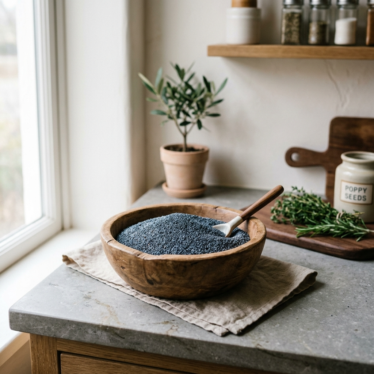
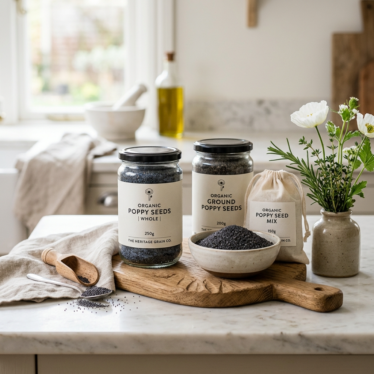
Here’s the short version: organic blue poppy seeds are the small, kidney-shaped seeds harvested from the Papaver somniferum plant, grown without synthetic pesticides or chemical fertilizers. They get their name from their distinctive dark blue-gray color, which sets them apart from the lighter white and brown poppy seed varieties grown elsewhere.
Where They Come From
The blue variety is most common in Europe and is the type you’ll usually spot on bagels, breads, and pastries. The word “organic” matters here. Organically grown seeds skip the synthetic chemicals, which means cleaner seeds and a product closer to its natural state. If you care about what goes into your food, sourcing certified organic seeds is a smart starting point.
How They Differ From Other Poppy Seeds
White poppy seeds taste milder and are popular in Indian and Middle Eastern cooking, where they’re often ground into curry bases and sauces. Blue poppy seeds carry a stronger, nuttier flavor that shines in baking. Western blue poppy seeds are most often linked with baked goods, though they also work beautifully in salad dressings, fish dishes, and savory recipes, according to culinary references like Chef at Hand and The Vegan Atlas.
Both come from the same plant family, but their color and flavor profiles suit different recipes. At Premium Poppy Pods, you’ll find a curated range of poppy products, from whole pods to finely milled poppy powder, all chosen with quality in mind.
Nutritional Profile of Blue Poppy Seeds
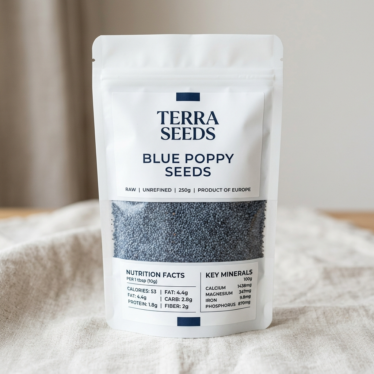
Despite their tiny size, blue poppy seeds are nutritionally dense. A single tablespoon delivers a surprising mix of minerals, healthy fats, and fiber — without piling on calories.
Key Nutrients
Blue poppy seeds are a great source of calcium, iron, magnesium, and fiber, making them an excellent addition to a balanced diet, as noted by Spice Bloom. On top of that, these seeds supply:
- Healthy fats: Rich in linoleic acid, an omega-6 fatty acid that supports overall wellness.
- Minerals: Manganese, copper, zinc, phosphorus, and thiamin all show up in meaningful amounts.
- Fiber: Helpful for digestion and keeping you full longer.
- Plant protein: A modest but useful protein boost for plant-based eaters.
Nutrition experts at Dr. Axe point out that poppy seeds provide manganese, calcium, copper, zinc, iron, linoleic acid, and fiber — a combination that makes them far more than just a topping.
A Small Seed With a Big Footprint
Because they’re so nutrient-rich, you don’t need much to benefit. Sprinkling a tablespoon or two over your meals adds texture and a steady dose of minerals. That makes them an easy nutritional upgrade for anyone looking to get more from everyday cooking.
Top Health Benefits of Blue Poppy Seeds
The appeal of these seeds goes well beyond flavor. Their nutrient density translates into several well-documented wellness perks. Here’s what makes blue poppy seeds benefits worth paying attention to.
Supports Strong, Healthy Bones
The calcium, phosphorus, and manganese in poppy seeds work together to support bone strength. Regular, moderate intake adds a quiet layer of bone-friendly nutrition over time — an easy habit that pays off, especially alongside an active lifestyle and a diet rich in whole foods.
Promotes Heart and Skin Health
Poppy seeds contain linoleic acid, an omega-6 fatty acid that supports overall wellness. They’re also rich in antioxidants that benefit both skin and heart health. As outlined by Vinmec, these seeds help promote digestion and offer antioxidant protection that ripples across the whole body. Few foods give you this much protection in such a small serving.
Aids Digestion
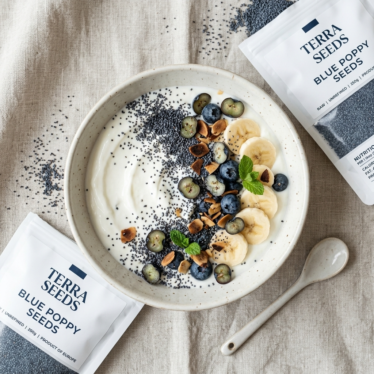
Fiber is the unsung hero of good digestion, and blue poppy seeds deliver plenty of it. Fiber adds bulk to your diet and supports regularity. Add a spoonful to yogurt, oatmeal, or smoothies, and you’ll feel fuller for longer too.
Boosts Immunity and Brain Function
The zinc and other trace minerals in poppy seeds play a role in supporting immune function. The healthy fats also contribute to brain health, which is why poppy seeds often sit alongside other brain-friendly foods. It’s the kind of subtle, everyday support your body appreciates.
May Support Relaxation
Traditionally, poppy products have been linked to relaxation. A warm, soothing drink is a lovely way to unwind at the end of the day. If that appeals to you, explore the poppy tea options for a calming addition to your evening routine.
Culinary Uses & Recipes
This is where blue poppy seeds really shine. Their nutty flavor and satisfying crunch make them incredibly versatile, working in both sweet and savory dishes.
Baking Favorites
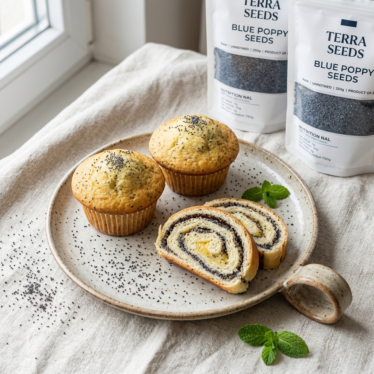
Their main claim to fame is enhancing baked goods. Poppy seeds excel as a topping for bread, bagels, muffins, and rolls. They’re also the star of classic poppy seed cakes and the beloved lemon-poppy seed muffin. Mixed into dough or sprinkled on top before baking, they add visual appeal and texture in equal measure.
Savory Dishes
Don’t limit them to sweets. In Central and Eastern Europe, poppy seeds are added to potato, egg, pasta, cream, and cheese dishes. Try them in:
- Homemade salad dressings for a subtle crunch
- Crusts for baked or pan-seared fish
- Roasted vegetables for added texture
- Pasta tossed with butter and a sprinkle of seeds
Grinding for Fillings
Because the seeds are so small and tend to stick together, they’re often dry-roasted or ground before use. Ground poppy seeds form the base of rich pastry fillings popular across European baking. For convenience, a ready-made poppy powder saves you the grinding step entirely and delivers a deep, rich flavor instantly.
A Living Tradition
When you cook with these seeds, you’re tapping into a tradition that spans countless kitchens and cultures. Across Central and Eastern Europe, poppy seeds have flavored breads, pastries, and savory dishes for generations. That heritage is part of what makes them feel so timeless.
How to Use & Store Blue Poppy Seeds
Getting the most out of your seeds comes down to a few simple techniques and proper storage.
Preparing the Seeds
Since poppy seeds clump together easily, a quick toast in a dry pan over low heat releases their aroma and makes them easier to work with. For fillings and pastes, soak the seeds first, then grind them. This unlocks a deeper, richer flavor that raw seeds can’t match. After that, sprinkle, mix, or fold them into your dish as needed — you’ll only need a tablespoon or two to add noticeable crunch and nutrition.
Smart Storage Tips
The healthy oils in poppy seeds can turn rancid if stored poorly. To keep them fresh:
- Store in an airtight container away from light and heat.
- Keep them in a cool, dry pantry for short-term use.
- For longer storage, refrigerate or freeze them to extend shelf life by many months.
Do Blue Poppy Seeds Go Bad?
Yes, they can. Signs include a bitter smell or off taste, which means it’s time to replace them. Properly stored, though, organic blue poppy seeds stay flavorful and ready whenever you need them. Buying fresh, organically sourced seeds from a trusted supplier gives you the longest possible shelf life and the best flavor.
If you enjoy whole-plant products for crafts or decor, the fresh poppy pods and dried poppy pod heads are popular choices for floral arrangements.
Safety & Dosage
Like any food, blue poppy seeds are best enjoyed in sensible amounts.
How Much Is Safe?
Foods containing up to about 50 grams of poppy seed can be eaten safely. In normal culinary quantities — a sprinkle here, a spoonful there — they pose no concern for most people. In everyday cooking, you’ll rarely come close to that limit, since recipes typically call for a tablespoon or two. Eating very large amounts may cause digestive issues, so moderation is the rule.
Who Should Be Cautious
Some people may be allergic to poppy seed, so introduce them gradually if you’ve never eaten them before. If you have a known seed allergy or any medical condition, it’s wise to check with a healthcare professional first. As with all health information here, this guidance is educational and not a substitute for personalized medical advice.
A Note on Quality
Choosing organic, properly cleaned seeds reduces your exposure to unwanted residues. Quality sourcing matters as much as quantity, which is why buying from a trusted supplier makes a real difference.
Where to Buy Premium Organic Blue Poppy Seeds
Not all poppy seeds are created equal. The freshness, cleanliness, and growing conditions of your seeds directly affect their flavor and nutritional value.
What to Look For
When shopping for organic blue poppy seeds, keep these factors in mind:
- Organic certification for cleaner, chemical-free seeds
- Freshness so the natural oils haven’t gone stale
- Reputable sourcing from a supplier who knows their products
- Transparent quality standards you can trust
Shop With Confidence
Premium Poppy Pods is a dedicated supplier of high-quality poppy products, from whole pods to powders and specialty items. Browse the full collection to find exactly what fits your needs — whether you’re baking, crafting, or exploring Papaver poppy pods for decorative projects. Fast delivery and trusted, organically certified products make stocking your pantry simple.
Frequently Asked Questions
What are organic blue poppy seeds?
Organic blue poppy seeds are the small, slate-blue seeds harvested from the Papaver somniferum plant, grown without synthetic pesticides or chemical fertilizers. Their kidney shape and dark blue-gray color set them apart from white and brown varieties. They carry a nutty, slightly earthy flavor that makes them a favorite in baking and savory cooking.
What is the nutritional profile of blue poppy seeds?
Blue poppy seeds are a rich source of calcium, iron, magnesium, and fiber, packed into a very small serving. They also supply omega-6 fatty acids (linoleic acid), manganese, copper, zinc, phosphorus, and thiamin. A single tablespoon delivers a meaningful dose of these minerals without adding many calories.
What are the health benefits of blue poppy seeds?
Blue poppy seeds support bone health, digestion, heart health, and skin wellness thanks to their dense mix of minerals, fiber, and healthy fats. Calcium, phosphorus, and manganese help maintain strong bones, fiber supports digestion, and the zinc and trace minerals contribute to immune support and brain function.
Are blue poppy seeds a good source of calcium?
Yes, blue poppy seeds are one of the better plant-based sources of calcium available. Each serving delivers calcium alongside phosphorus and manganese, three nutrients that work together to support bone strength. Sprinkle them over yogurt, salads, or baked goods to add calcium without much change to flavor.
What are the best culinary uses for blue poppy seeds?
Blue poppy seeds work in both sweet and savory dishes, with baking being their most popular use. They shine as a topping for bread, bagels, muffins, and rolls, and they star in poppy seed cakes and lemon-poppy seed muffins. For savory cooking, try them in salad dressings, fish crusts, roasted vegetables, and buttered pasta.
How do I use blue poppy seeds in cooking?
Toast the seeds in a dry pan over low heat to release their aroma and make them easier to handle. Because they’re tiny and tend to clump, this step improves their flavor and texture. For fillings and pastes, soak the seeds first, then grind them to unlock a deeper, richer taste.
How are blue poppy seeds different from white poppy seeds?
Blue poppy seeds have a stronger, nuttier flavor, while white poppy seeds taste milder. The blue variety is most common in Europe and appears on bagels, breads, and pastries. White poppy seeds are popular in Indian and Middle Eastern cooking, often ground into curry bases and sauces.
Can blue poppy seeds help with digestion?
Yes, the fiber in blue poppy seeds supports healthy digestion and regularity. Fiber adds bulk to your diet and helps food move smoothly through your system. Adding a spoonful to oatmeal, smoothies, or yogurt is a simple way to boost daily fiber while keeping you fuller for longer.
Are blue poppy seeds safe to eat?
Yes, blue poppy seeds are safe to eat in normal culinary amounts. Foods containing up to about 50 grams of poppy seed can be eaten safely by most people. Eating very large amounts may cause digestive issues, so moderation is best, and some individuals may be allergic to poppy seed.
How much blue poppy seed is safe to consume?
Foods containing up to about 50 grams of poppy seed are considered safe for most people. In everyday cooking, you’ll rarely come close to that amount, since recipes typically call for a tablespoon or two. If you have a known seed allergy or a medical condition, check with a healthcare professional first.
How should I store blue poppy seeds to keep them fresh?
Store blue poppy seeds in an airtight container away from light and heat to protect their natural oils, which can turn rancid if exposed to warmth or air. A cool, dry pantry works for short-term use, and refrigerating or freezing them extends their shelf life by many months.
Do blue poppy seeds go bad?
Yes, blue poppy seeds can go rancid over time because of their natural oil content. Signs include a bitter smell or off taste, which means it’s time to replace them. Store them in an airtight container in a cool, dark place, or refrigerate or freeze them to keep them fresh longer.
Can you make tea with poppy products?
Yes, poppy products have a long tradition of being used in soothing, warm drinks. A calming cup is a pleasant way to unwind at the end of the day. As with any new product, start small and follow the usage guidance provided, and consult a healthcare professional if you have any concerns.
Why should I choose organic blue poppy seeds over regular ones?
Organic blue poppy seeds are grown without synthetic pesticides or chemical fertilizers, which means cleaner seeds closer to their natural state. This matters for flavor and quality, since freshness and growing conditions affect taste and nutrition. Look for organic certification, transparent sourcing, and reliable freshness when you shop.
Where can I buy premium organic blue poppy seeds?
You can buy premium organic poppy products, including seeds, powder, and whole pods, from Premium Poppy Pods. This trusted supplier offers organically certified products, transparent quality standards, and fast delivery to cover a wide range of culinary and pantry needs.
Final Thoughts
Organic blue poppy seeds prove that great things really do come in small packages. They deliver bold flavor, real nutrition, and remarkable versatility — all in a seed barely bigger than a grain of sand. From bone-supporting minerals to heart-friendly fats and centuries of culinary tradition, these little seeds bring genuine value to your meals every single day.
Here’s your next step: stock your pantry with quality seeds, toast them for flavor, store them well, and start sprinkling them into both sweet and savory dishes. The difference good seeds make is unmistakable.
Ready to taste it for yourself? Browse the full collection and place your order today at Premium Poppy Pods.
{
  "@context": "https://schema.org",
  "@type": "FAQPage",
  "mainEntity": [
    {
      "@type": "Question",
      "name": "What are organic blue poppy seeds?",
      "acceptedAnswer": {
        "@type": "Answer",
        "text": "Organic blue poppy seeds are the small, slate-blue seeds harvested from the Papaver somniferum plant, grown without synthetic pesticides or chemical fertilizers. Their kidney shape and dark blue-gray color set them apart from white and brown varieties, and they carry a nutty, slightly earthy flavor that makes them a favorite in baking and savory cooking."
      }
    },
    {
      "@type": "Question",
      "name": "What is the nutritional profile of blue poppy seeds?",
      "acceptedAnswer": {
        "@type": "Answer",
        "text": "Blue poppy seeds are a rich source of calcium, iron, magnesium, and fiber, packed into a very small serving. They also supply omega-6 fatty acids (linoleic acid), manganese, copper, zinc, phosphorus, and thiamin. A single tablespoon delivers a meaningful dose of these minerals without adding many calories."
      }
    },
    {
      "@type": "Question",
      "name": "What are the health benefits of blue poppy seeds?",
      "acceptedAnswer": {
        "@type": "Answer",
        "text": "Blue poppy seeds support bone health, digestion, heart health, and skin wellness thanks to their dense mix of minerals, fiber, and healthy fats. Calcium, phosphorus, and manganese help maintain strong bones, fiber supports digestion, and the zinc and trace minerals contribute to immune support and brain function."
      }
    },
    {
      "@type": "Question",
      "name": "Are blue poppy seeds a good source of calcium?",
      "acceptedAnswer": {
        "@type": "Answer",
        "text": "Yes, blue poppy seeds are one of the better plant-based sources of calcium available. Each serving delivers calcium alongside phosphorus and manganese, three nutrients that work together to support bone strength, making them a useful addition for plant-based diets or anyone boosting mineral intake naturally."
      }
    },
    {
      "@type": "Question",
      "name": "What are the best culinary uses for blue poppy seeds?",
      "acceptedAnswer": {
        "@type": "Answer",
        "text": "Blue poppy seeds work in both sweet and savory dishes, with baking being their most popular use. They shine as a topping for bread, bagels, muffins, and rolls, and star in poppy seed cakes and lemon-poppy seed muffins. For savory cooking, try them in salad dressings, fish crusts, roasted vegetables, and buttered pasta."
      }
    },
    {
      "@type": "Question",
      "name": "How do I use blue poppy seeds in cooking?",
      "acceptedAnswer": {
        "@type": "Answer",
        "text": "Toast the seeds in a dry pan over low heat to release their aroma and make them easier to handle. Because they are tiny and tend to clump, this step improves flavor and texture. For fillings and pastes, soak the seeds first, then grind them to unlock a deeper, richer taste."
      }
    },
    {
      "@type": "Question",
      "name": "How are blue poppy seeds different from white poppy seeds?",
      "acceptedAnswer": {
        "@type": "Answer",
        "text": "Blue poppy seeds have a stronger, nuttier flavor, while white poppy seeds taste milder. The blue variety is most common in Europe and appears on bagels, breads, and pastries. White poppy seeds are popular in Indian and Middle Eastern cooking, often ground into curry bases and sauces."
      }
    },
    {
      "@type": "Question",
      "name": "Can blue poppy seeds help with digestion?",
      "acceptedAnswer": {
        "@type": "Answer",
        "text": "Yes, the fiber in blue poppy seeds supports healthy digestion and regularity. Fiber adds bulk to your diet and helps food move smoothly through your system. Adding a spoonful to oatmeal, smoothies, or yogurt is a simple way to boost daily fiber while keeping you fuller for longer."
      }
    },
    {
      "@type": "Question",
      "name": "Are blue poppy seeds safe to eat?",
      "acceptedAnswer": {
        "@type": "Answer",
        "text": "Yes, blue poppy seeds are safe to eat in normal culinary amounts. Foods containing up to about 50 grams of poppy seed can be eaten safely by most people. Eating very large amounts may cause digestive issues, so moderation is best, and some individuals may be allergic to poppy seed."
      }
    },
    {
      "@type": "Question",
      "name": "How much blue poppy seed is safe to consume?",
      "acceptedAnswer": {
        "@type": "Answer",
        "text": "Foods containing up to about 50 grams of poppy seed are considered safe for most people. In everyday cooking you will rarely come close to that amount, since recipes typically call for a tablespoon or two. If you have a known seed allergy or a medical condition, check with a healthcare professional first."
      }
    },
    {
      "@type": "Question",
      "name": "How should I store blue poppy seeds to keep them fresh?",
      "acceptedAnswer": {
        "@type": "Answer",
        "text": "Store blue poppy seeds in an airtight container away from light and heat to protect their natural oils, which can turn rancid if exposed to warmth or air. A cool, dry pantry works for short-term use, and refrigerating or freezing them extends their shelf life by many months."
      }
    },
    {
      "@type": "Question",
      "name": "Do blue poppy seeds go bad?",
      "acceptedAnswer": {
        "@type": "Answer",
        "text": "Yes, blue poppy seeds can go rancid over time because of their natural oil content. Signs include a bitter smell or off taste, which means it is time to replace them. Store them in an airtight container in a cool, dark place, or refrigerate or freeze them to keep them fresh longer."
      }
    },
    {
      "@type": "Question",
      "name": "Can you make tea with poppy products?",
      "acceptedAnswer": {
        "@type": "Answer",
        "text": "Yes, poppy products have a long tradition of being used in soothing, warm drinks. A calming cup is a pleasant way to unwind at the end of the day. As with any new product, start small and follow the usage guidance provided, and consult a healthcare professional if you have any concerns."
      }
    },
    {
      "@type": "Question",
      "name": "Why should I choose organic blue poppy seeds over regular ones?",
      "acceptedAnswer": {
        "@type": "Answer",
        "text": "Organic blue poppy seeds are grown without synthetic pesticides or chemical fertilizers, which means cleaner seeds closer to their natural state. This matters for flavor and quality, since freshness and growing conditions affect taste and nutrition. Look for organic certification, transparent sourcing, and reliable freshness when you shop."
      }
    },
    {
      "@type": "Question",
      "name": "Where can I buy premium organic blue poppy seeds?",
      "acceptedAnswer": {
        "@type": "Answer",
        "text": "You can buy premium organic poppy products, including seeds, powder, and whole pods, from Premium Poppy Pods at https://primiumpoppypods.com/shop/. This trusted supplier offers organically certified products, transparent quality standards, and fast delivery to cover a wide range of culinary and pantry needs."
      }
    }
  ]
}
