
- Your cart is empty
- Continue shopping
-
sales@primiumpoppypods.com
- Posted on
- Categories:Uncategorized
- 0 comments
Complete Guide to Growing, Germination, Care, and Buying Quality Seeds
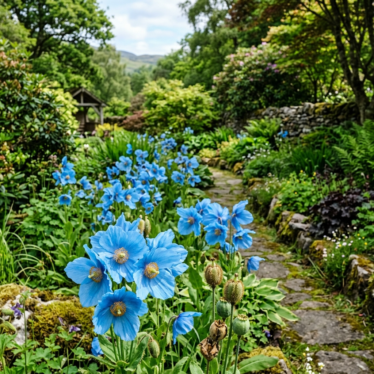
Blue poppy seeds for planting are ornamental Papaver seeds selected and marketed for garden cultivation rather than culinary application. These seeds produce sculptural blooms, distinctive seed capsules, and high-contrast color suited to borders, cottage gardens, and collector plantings. The material appeals to gardeners who prioritize visual rarity, heritage cultivation standards, and dependable germination performance.
This guide consolidates the complete planting subject into a single reference document. It defines what blue poppy seeds are, identifies the reasons gardeners select them, details the step-by-step sowing sequence, specifies the environmental conditions that govern success, outlines the germination timeline, describes seedling care, catalogs common growing problems, and establishes the criteria that separate graded stock from low-quality material. A six-question FAQ section with schema-ready formatting closes the article. The structure prioritizes scannable, extractable detail for first-time growers and experienced horticulturists alike.
What Are Blue Poppy Seeds for Planting?
Blue poppy seeds for planting are poppy seeds intended for ornamental garden propagation, characterized by fine, slate-blue to blue-gray coloration and association with the genus Papaver. The term encompasses seeds sold for garden sowing, decorative poppy varieties, and related Papaver stock cultivated for flower and capsule production.
These seeds are valued for several distinct properties:
- Ornamental yield: Produce distinctive flowers and sculptural seed capsules suited to garden display.
- Versatility: Support cottage gardens, mixed borders, accent plantings, and collector projects.
- Decorative continuity: Generate dried pods usable in floral arrangements after the plant matures.
- Heritage compatibility: Include heirloom and non-GMO selections preferred by gardeners maintaining traditional standards.
It is important to distinguish ornamental blue poppy seeds from culinary poppy seeds sold for baking. Although both originate from poppy plants, blue poppy seeds for planting are marketed for horticultural and ornamental use rather than food preparation. For a verified product listing with quantity options, consult the Blue Poppy Pod Seeds page, and for the dedicated planting resource, review Blue Poppy Seeds for Planting.
Key takeaway: Blue poppy seeds for planting are ornamental Papaver seeds cultivated for distinctive flowers and seed capsules, valued for horticultural rather than culinary use.
Why Gardeners Choose Blue Poppy Seeds
Gardeners select blue poppy seeds because the material combines visual rarity with ornamental versatility across multiple garden styles. The motivation extends beyond appearance into propagation value, heritage cultivation, and decorative reuse of the dried capsule.
The principal reasons for selection include the following:
- Visual distinction: The unusual blue-toned coloration and crepe-textured petals establish strong ornamental value in flower beds and borders.
- Specialty garden use: The seeds support unique flower beds, collector plantings, landscape accents, and heritage-focused gardens.
- Heritage authenticity: Buyers seeking traditional cultivation often prioritize heirloom blue poppy seeds and non-GMO blue poppy seeds, propagated through natural methods without genetic modification.
- Decorative continuity: Once flowering concludes, the matured capsules may be harvested and dried for wreaths, centerpieces, and floral arrangements.
- Scalability: Available quantities range from single packets to blue poppy seeds bulk, supporting both hobby plantings and landscape-scale projects.
Furthermore, blue poppy varieties appeal to gardeners who value the entire plant lifecycle, from the flowering display through the harvest of the ornamental seed capsule. For gardeners comparing heritage options, the Heirloom Blue Poppy Seeds page documents naturally propagated selections, and the Blue Poppy Flower Seeds page presents flower-focused varieties.
Key takeaway: Gardeners choose blue poppy seeds for their visual rarity, specialty garden applications, heritage authenticity, decorative continuity, and flexible purchasing quantities.
How to Grow Blue Poppy Seeds: A Step-by-Step Planting Guide
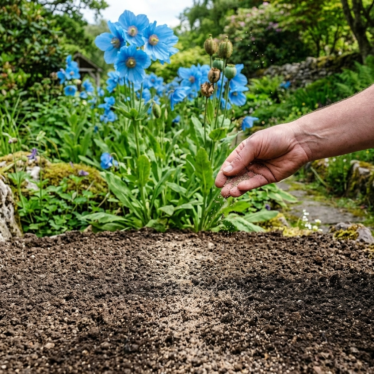
Cultivation from blue poppy seeds involves sowing the fine, light-dependent seeds into a prepared, well-drained medium that replicates the cool environment the genus Papaver favors. Germination success depends on controlled management of soil composition, sowing depth, and moisture, because the seeds are small and require light exposure rather than burial.
The recommended planting sequence proceeds through the following stages:
- Prepare the soil. Cultivate a light, well-drained growing medium enriched with organic matter, maintaining a slightly acidic to neutral pH between 6.0 and 7.0.
- Sow on the surface. Scatter the seeds thinly across the soil surface without burying them, as light exposure supports germination. Deep sowing suppresses emergence.
- Maintain moisture. Apply water through a fine mist rather than heavy watering, which displaces the fine seeds and compacts the surface.
- Select the site. Position the planting area in full sun to partial shade, with shelter from strong wind that may damage developing stems.
- Thin the seedlings. Once the first true leaves develop, space the emerging seedlings to reduce competition and improve airflow.
Additionally, cool sowing conditions and consistent moisture during the establishment phase improve overall plant vigor and capsule development. For verified taxonomic and cultivation guidance, consult the Royal Horticultural Society (RHS) and the Wikipedia entry on Papaver somniferum, both of which document species characteristics and growth requirements. Growers establishing large displays or propagation projects may select the blue poppy seeds bulk option for landscape-scale planting volumes.
Key takeaway: Blue poppy seeds propagate through surface sowing in light, well-drained soil under cool, consistently moist conditions, with thinning applied once true leaves emerge.
Best Growing Conditions for Blue Poppy Seeds
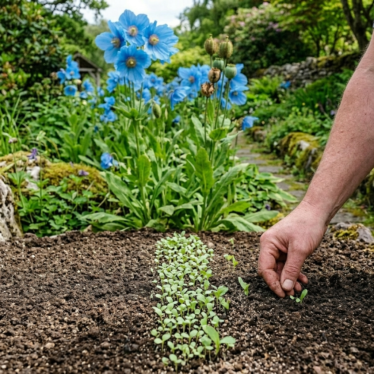
Optimal growing conditions define the environmental variables that govern germination rate, seedling vigor, and flowering performance. Each variable contributes independently to establishment success and requires consistent management.
The governing conditions include the following categories:
- Soil: Light, well-draining, and rich in organic matter, loose enough to support delicate root development. The best soil for blue poppy seeds avoids waterlogging, which reduces germination and promotes damping-off.
- Moisture: Even moisture throughout germination, applied without saturation. The surface layer should not crust heavily, as crusting blocks emergence.
- Light: Bright conditions, with surface-sown seeds left uncovered to maintain light exposure. Certain climates benefit from moderated exposure during high-stress periods.
- Temperature: Cool sowing conditions, which generally support stronger establishment than extreme heat.
- Airflow: Adequate spacing and circulation, which reduce fungal stress and improve seedling performance.
Moreover, the interaction between drainage and moisture is the single most influential factor in early outcomes, because excess water in a poorly drained medium compromises both germination and seedling health. Gardeners refining soil selection for how to grow blue poppy seeds should prioritize drainage before fertility.
Key takeaway: Blue poppy seeds perform best in light, well-drained soil under even moisture, bright light, cool temperatures, and adequate airflow, with drainage governing early success.
Germination Timeline for Blue Poppy Seeds
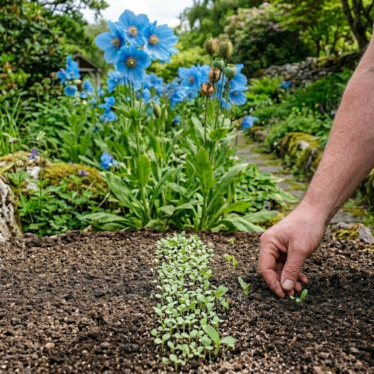
The germination timeline describes the period between sowing and seedling emergence, governed by temperature, moisture, seed freshness, and sowing technique. Under suitable conditions, blue poppy seeds germinate within a range of roughly one to three weeks.
The factors affecting germination timing include the following:
- Seed age: Viability declines with storage age, extending or preventing germination in older stock.
- Moisture consistency: Inconsistent moisture interrupts the germination process and reduces emergence rates.
- Drainage quality: Poor drainage promotes rot before seedlings establish.
- Temperature: Excessive heat slows or suppresses germination relative to cool conditions.
- Sowing depth: Burial blocks the light exposure that surface-sown poppy seeds require.
Furthermore, the requirement for light means the seeds must remain uncovered on the soil surface throughout the germination period. This direct, concise specification of the germination timeline supports extractable answers for search engines and AI-generated summaries, because it provides a defined range alongside its qualifying variables.
Key takeaway: Blue poppy seeds typically germinate within one to three weeks, with timing influenced by seed age, moisture, drainage, temperature, and surface light exposure.
Seedling Care for Blue Poppy Plants
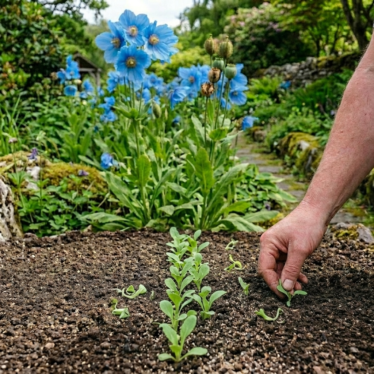
Seedling care constitutes the post-germination stage in which emerging plants are managed to support healthy establishment and eventual flowering. Proper care during this phase determines plant vigor, spacing efficiency, and resistance to environmental stress.
The seedling care protocol includes the following practices:
- Watering: Maintain light, even moisture while avoiding saturated soil that promotes root disease.
- Thinning: Reduce crowding early so each seedling receives adequate space, light, and nutrient access.
- Weed control: Keep the surrounding area clear to minimize competition for resources.
- Environmental stability: Protect young seedlings from strong wind, abrupt drying, and harsh temperature swings.
- Observation: Monitor foliage color, vigor, and spacing regularly so problems can be corrected before they compromise the planting.
Additionally, the transition from germination to established seedling represents the period of highest vulnerability, because fine root systems remain shallow and sensitive to moisture extremes. Consistent, moderate management during this phase yields stronger plants and more reliable flowering.
Key takeaway: Seedling care relies on even watering, early thinning, weed control, environmental stability, and regular observation to support healthy establishment.
Common Growing Problems and Solutions
Common growing problems are the recurring failures that reduce germination rates, weaken seedlings, or compromise plant establishment. Most issues trace to identifiable causes in seed quality, moisture management, or sowing technique, and most are correctable through adjusted practice.
The principal problems and their causes include the following:
- Poor germination: Linked to aged seeds, overwatering, deep sowing, or compacted soil. Correction requires fresh stock, surface sowing, and improved drainage.
- Weak seedlings: Associated with crowding, low airflow, inconsistent moisture, and insufficient light. Correction requires earlier thinning and improved circulation.
- Slow establishment: Resulting from environmental stress or reduced seed vigor. Correction requires stable conditions and verified seed freshness.
- Damping-off: Caused by saturated soil and poor airflow promoting fungal infection. Correction requires reduced watering and increased spacing.
- Mislabeled or low-quality seed: Reducing success before planting begins. Correction requires sourcing from a specialist supplier with species-accurate listings.
Moreover, the prevalence of moisture-related and quality-related failures underscores the importance of both drainage management and supplier verification. This troubleshooting structure addresses the natural-language questions that gardeners submit to answer engines and AI search tools.
Key takeaway: Most growing problems trace to seed quality, moisture, drainage, or sowing depth, and most are correctable through adjusted technique and verified seed sourcing.
How to Choose Quality Blue Poppy Seeds
Selecting quality blue poppy seeds requires evaluation of source credibility, product clarity, freshness, quantity flexibility, and species accuracy. Because seed viability and capsule grade vary considerably between sources, sourcing from a dedicated supplier reduces purchasing risk.
The selection criteria include the following:
- Source credibility: Prioritize specialist suppliers with topic-specific product pages and supporting educational content over general marketplaces.
- Product clarity: Confirm that listings clearly identify the product type, the Papaver species, and the intended ornamental use.
- Freshness and storage quality: Select recently harvested seeds, as viability declines with storage age and inconsistent handling.
- Quantity flexibility: Identify suppliers offering both single packets and bulk volumes to match hobby and large-scale requirements.
- Heritage documentation: For heirloom blue poppy seeds and non-GMO blue poppy seeds, verify that the listing documents the propagation method.
Furthermore, the depth of related pages on a supplier site often indicates stronger topical authority and more consistent quality standards. Gardeners evaluating sources may compare the Buy Blue Poppy Seeds page, the Heirloom Blue Poppy Seeds page, and the Blue Poppy Seeds Online page to assess catalog depth and product specificity.
Key takeaway: Quality blue poppy seeds should be sourced from a specialist supplier that verifies species accuracy, documents freshness and propagation method, and offers both single and bulk quantities.
Where to Buy Blue Poppy Seeds Online
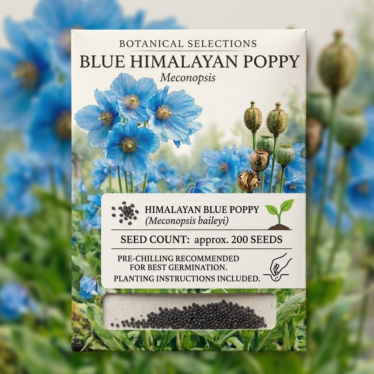
Purchasing blue poppy seeds online requires attention to product quality, species accuracy, and supplier reputation, because grade and viability vary considerably between sources. Sourcing from a specialist supplier reduces the risk of mislabeled or immature material.
Verified purchasing pathways include the following:
- Primary product listing: To buy blue poppy seeds with documented quantity options, review the Blue Poppy Pod Seeds page.
- Full category selection: For multiple capsule and pod types, browse the Poppy Pods category.
- Bulk purchasing: For large-volume orders, the Blue Poppy Seeds Bulk option supports wholesale and landscape-scale projects.
- Heritage selection: For naturally propagated stock, the Heirloom Blue Poppy Seeds page documents heirloom standards.
- Online ordering: For general online purchasing, the Blue Poppy Seeds Online page consolidates available options.
Moreover, purchasing from a dedicated supplier provides access to graded stock, species verification, and consistent quality standards that general retailers rarely document. For taxonomic confirmation of Papaver somniferum before purchase, the Wikipedia entry on Papaver somniferum and the Royal Horticultural Society (RHS) provide authoritative reference.
Key takeaway: Quality blue poppy seeds should be purchased from a specialist supplier offering species-verified listings, graded stock, and both single and bulk quantities.
Conclusion
Blue poppy seeds for planting represent a distinctive ornamental and horticultural material, combining rare blue-toned blooms with sculptural seed capsules derived from the genus Papaver. This guide has defined the material, identified the reasons gardeners select it, detailed the surface-sowing planting sequence, specified the soil, moisture, light, temperature, and airflow conditions that govern success, established the one-to-three-week germination timeline, described the seedling care protocol, cataloged common growing problems and their corrections, and outlined the sourcing criteria that protect against mislabeled or low-grade stock. Each section provides the reference detail required to plant, care for, and purchase blue poppy flower seeds with confidence.
Premium Poppy Pods supplies graded, high-quality blue poppy seeds alongside a complete range of poppy-derived botanicals for gardeners, florists, crafters, and collectors. To begin a planting project, compare heritage and bulk options, or place an order, explore the full selection at primiumpoppypods.com today.
Frequently Asked Questions
What are blue poppy seeds for planting?
Blue poppy seeds for planting are ornamental Papaver seeds sold for garden cultivation rather than culinary use. They produce distinctive blue-toned flowers and sculptural seed capsules suited to borders, cottage gardens, and collector plantings. Species-accurate stock is available through the Blue Poppy Pod Seeds listing.
How do you grow blue poppy seeds?
Blue poppy seeds grow best when surface-sown into light, well-drained soil with a slightly acidic to neutral pH between 6.0 and 7.0. The seeds should be scattered thinly without burying them, because light exposure supports germination. Consistent moisture applied through a fine mist, combined with a position in full sun to partial shade, improves establishment.
How long do blue poppy seeds take to germinate?
Blue poppy seeds typically germinate within one to three weeks under cool, consistently moist conditions. Germination requires light exposure, so the seeds must remain uncovered on the soil surface. Warmer or drier conditions slow germination and reduce overall success rates.
What is the best soil for blue poppy seeds?
The best soil for blue poppy seeds is a light, well-drained medium enriched with organic matter, maintaining a slightly acidic to neutral pH between 6.0 and 7.0. Drainage is the governing factor, as waterlogged soil reduces germination and promotes damping-off in young seedlings.
Are heirloom and non-GMO blue poppy seeds available?
Yes. Heirloom blue poppy seeds and non-GMO blue poppy seeds are propagated through natural cultivation methods without genetic modification, making them suitable for heritage and organic projects. Buyers should confirm that the listing identifies the Papaver species accurately and documents its propagation method, as detailed on the Heirloom Blue Poppy Seeds page.
Can I buy blue poppy seeds in bulk?
Yes. Bulk purchasing supports gardeners, resellers, and large-scale planting projects requiring landscape volumes. The Blue Poppy Seeds Bulk option documents wholesale quantities and grade for large-volume orders.
{ “@context”: “https://schema.org“, “@type”: “FAQPage”, “mainEntity”: [ { “@type”: “Question”, “name”: “What are blue poppy seeds for planting?”, “acceptedAnswer”: { “@type”: “Answer”, “text”: “Blue poppy seeds for planting are ornamental Papaver seeds sold for garden cultivation rather than culinary use. They produce distinctive blue-toned flowers and sculptural seed capsules suited to borders, cottage gardens, and collector plantings.” } }, { “@type”: “Question”, “name”: “How do you grow blue poppy seeds?”, “acceptedAnswer”: { “@type”: “Answer”, “text”: “Blue poppy seeds grow best when surface-sown into light, well-drained soil with a pH between 6.0 and 7.0. The seeds should be scattered thinly without burying them, because light exposure supports germination. Consistent moisture and a position in full sun to partial shade improve establishment.” } }, { “@type”: “Question”, “name”: “How long do blue poppy seeds take to germinate?”, “acceptedAnswer”: { “@type”: “Answer”, “text”: “Blue poppy seeds typically germinate within one to three weeks under c
