
- Your cart is empty
- Continue shopping
-
sales@primiumpoppypods.com
- Posted on
- Categories:Uncategorized
- 0 comments
Food-Grade Poppy Seeds: The Complete Guide to Cooking, Nutrition, and Buying
Tiny, slate-blue, and endlessly versatile, poppy seeds have earned a spot in kitchens around the world. You probably know them from a lemon-poppy seed muffin or a bagel crust, but these little seeds offer far more than a pretty finish. They bring nutty flavor, gentle crunch, and a surprising amount of nutrition to both sweet and savory dishes.
This guide walks you through everything you need to know about food-grade poppy seeds: how they taste, what they do for your body, how to store them, and how to pick the best ones for your pantry. Whether you bake every weekend or just want to upgrade your morning toast, you’ll find practical tips you can use right away.
What Are Food-Grade Poppy Seeds?
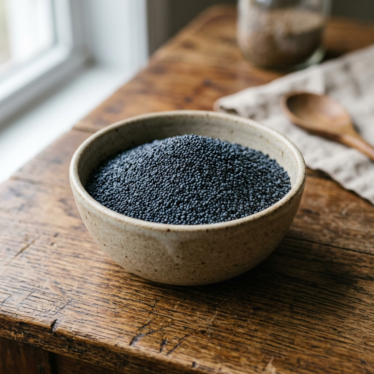
Food-grade poppy seeds are the small, ripe seeds harvested from the poppy plant and processed specifically for culinary use. They’re cleaned, dried, and sold as a spice or baking ingredient. You’ll find them in grocery stores, bakeries, and spice shops worldwide.
These seeds come in a few color varieties. The most common is the blue-gray seed used across European baking. There’s also a white variety, popular in Indian and Middle Eastern cooking, and a tan or golden type used in certain regional dishes. Each brings a slightly different look and taste to the table.
Because they’re sold as food, kitchen-grade poppy seeds are meant for eating, baking, and garnishing. Think of them like sesame seeds or sunflower seeds: a simple pantry staple with a long history in home cooking.
For more background on the poppy plant and its seed varieties, see the Encyclopaedia Britannica entry on the poppy
The Flavor Profile: What Do Poppy Seeds Taste Like?
Poppy seeds have a mild, nutty flavor with a faint hint of bitterness. They’re not overpowering, which is exactly why cooks love them. They add depth without taking over a dish.
The flavor really comes alive when you toast or grind the seeds. Light toasting in a dry pan releases their natural oils and deepens that warm, nutty note. Grinding them into a paste, common in Eastern European pastries, creates a rich, almost marzipan-like base for fillings.
On their own, raw seeds offer a subtle taste and a satisfying pop of texture. That gentle crunch is what makes them such a popular topping for breads, salads, and noodle dishes.
Nutrition: What Poppy Seeds Bring to Your Plate
For their small size, poppy seeds pack a real nutritional punch. They’re a natural source of several minerals and healthy fats. Here’s what they typically offer:
- Fiber to support healthy digestion
- Healthy fats, including omega-6 fatty acids
- Calcium and magnesium for bone health
- Manganese and phosphorus, important for everyday body functions
- Plant protein in modest amounts
- B vitamins like thiamin and folate
Because you usually eat them in small quantities, poppy seeds work best as a flavorful add-on rather than a main source of nutrients. Still, sprinkling them into your meals is an easy way to add a little extra goodness.
For verified nutrition figures, cite the USDA FoodData Central entry for poppy seeds (fiber, minerals, fats), and reference the Harvard T.H. Chan School of Public Health Nutrition Source for general guidance on seeds and healthy fats.
Culinary Uses: Where Poppy Seeds Shine
Poppy seeds are wonderfully flexible. They cross cuisines and fit into nearly every meal of the day. Here are some of the most popular ways to use them.
Baking
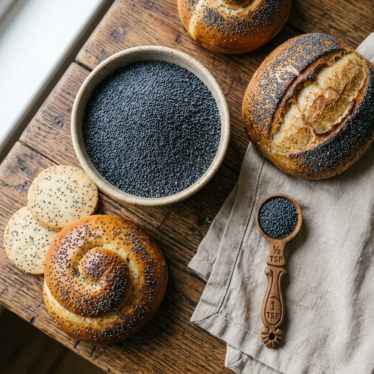
This is where poppy seeds are most at home. They top bagels, dinner rolls, and artisan breads with a classic crunch. Ground into a sweet paste, they fill traditional pastries like strudel, kolache, and poppy seed rolls. And of course, lemon-poppy seed cake and muffins are beloved for good reason.
For a finely milled option, you can explore ground poppy seed options, which work well as a base for these sweet pastry fillings.
Savory Cooking
Beyond baking, poppy seeds bring texture to savory dishes. Stir them into salad dressings, sprinkle them over roasted vegetables, or toss them with buttered noodles. In Indian cooking, ground white poppy seeds thicken sauces and curries while adding a subtle nutty richness.
Garnishes and Toppings
A quick scatter of poppy seeds dresses up almost anything. Try them on yogurt bowls, deviled eggs, coleslaw, or fruit salads. They add visual contrast and a delicate bite that makes simple dishes feel a little more special.
How to Store Poppy Seeds for Maximum Freshness
Poppy seeds contain natural oils, which means they can turn rancid if stored carelessly. The good news is that proper storage keeps them fresh for months.
Follow these simple guidelines:
- Use an airtight container. Glass jars or sealed bags work best to block out air and moisture.
- Keep them cool and dark. A pantry or cupboard away from heat and sunlight is ideal.
- Refrigerate or freeze for the long haul. If you buy in bulk, the fridge or freezer extends shelf life significantly.
- Smell before you use. Fresh seeds smell nutty and clean. A sour or off odor means it’s time to toss them.
Stored well, whole poppy seeds usually stay good for six months to a year. Ground seeds spoil faster, so grind only what you plan to use soon.
For more detailed storage guidance, see the National Center for Home Food Preservation, a university extension resource that supports these shelf-life and storage best practices.
How to Select Quality Poppy Seeds
Not all poppy seeds are created equal. When you’re shopping, a few clues point to better quality.
Look for seeds with a consistent color and a clean, dry appearance. They shouldn’t clump together or look dusty. A uniform size suggests careful processing. If you can smell them, fresh seeds will have a pleasant, nutty aroma rather than anything sour.
Buying from a trusted source matters too. Reputable spice sellers and food suppliers handle and package their seeds with care, which means better flavor and freshness for you. Check packaging dates when you can, and choose sealed containers over loose bulk bins that may have sat exposed.
When you’re ready to stock your pantry, you can shop poppy seed products from a trusted supplier to ensure freshness and quality.
Simple Tips for Cooking With Poppy Seeds
A few small techniques can take your poppy seed dishes from good to great.
Toast them lightly. A minute or two in a dry skillet over medium heat wakes up their flavor. Stir constantly so they don’t burn.
Grind for fillings. A spice grinder or mortar and pestle turns whole seeds into the smooth paste used in classic pastries. Add a little milk or honey to help the texture.
Soak when needed. Some recipes call for soaking seeds in warm liquid to soften them before blending. This is common when making sweet fillings.
Measure thoughtfully. Because their flavor is subtle, you can be generous. A tablespoon or two adds noticeable crunch and taste to most baked goods.
For more on toasting and baking technique, see a reputable culinary publication such as Serious Eats, which offers trusted, well-tested guidance.
Buying Considerations: What to Keep in Mind
Before you add poppy seeds to your cart, think about how you’ll use them. Buying whole seeds gives you the most flexibility and the longest shelf life. If you bake often, a larger package may save money, but only if you can store it properly.
Consider the variety too. Blue-gray seeds suit European-style baking and toppings. White poppy seeds are the go-to for South Asian sauces and certain breads. Matching the seed to your recipe gives you the best results.
Finally, factor in freshness and packaging. Sealed, well-labeled products from a reliable supplier are worth choosing over older or loosely stored options. Quality seeds simply taste better and last longer.
When you’re ready to stock up, you can browse quality poppy seed products to find an option suited to your cooking.
Frequently Asked Questions
Are poppy seeds safe to eat?
Yes. Food-grade poppy seeds are a common culinary ingredient used in baking, cooking, and as a garnish around the world. As with any food, enjoy them in normal recipe amounts as part of a balanced diet.
What do poppy seeds taste like?
Poppy seeds have a mild, nutty flavor with a slight crunch. Toasting brings out a warmer, richer taste, while grinding creates a smooth paste often used in sweet pastry fillings.
How long do poppy seeds last?
When stored in an airtight container in a cool, dark place, whole poppy seeds typically last six months to a year. Refrigerating or freezing them extends their freshness, while ground seeds should be used sooner.
Do poppy seeds need to be refrigerated?
They don’t have to be, but refrigeration helps. Because poppy seeds contain natural oils, keeping them cool slows spoilage and preserves their nutty flavor, especially if you buy in larger amounts.
Can I use poppy seeds in savory dishes?
Absolutely. Poppy seeds work beautifully in salad dressings, on roasted vegetables, tossed with noodles, and stirred into sauces. They add texture and a subtle nutty note to savory cooking.
What’s the difference between blue and white poppy seeds?
Blue-gray poppy seeds are common in European baking and as bread toppings. White poppy seeds are widely used in South Asian and Middle Eastern cooking, often ground to thicken and flavor sauces. Both share a similar nutty taste.
How do I toast poppy seeds?
Place them in a dry skillet over medium heat and stir constantly for one to two minutes until fragrant. Watch closely, as small seeds can burn quickly. Toasting deepens their flavor for both sweet and savory recipes.
Are poppy seeds nutritious?
For their small size, poppy seeds offer fiber, healthy fats, and minerals like calcium, magnesium, and manganese. Since you typically eat them in small amounts, think of them as a flavorful, nutrient-adding garnish.
Conclusion
Food-grade poppy seeds are a small ingredient with big potential. Their gentle nutty flavor, satisfying crunch, and useful nutrients make them a worthy addition to any pantry. From classic baked goods to savory sauces and fresh garnishes, they bring character to dishes across every cuisine.
With the right storage and a little know-how, you can keep your poppy seeds fresh and ready for whatever you’re cooking next. Pick a quality product, store it well, and start experimenting. Your bagels, muffins, and noodle bowls will thank you.
Ready to get started? You can browse our poppy product range to find the right seeds for your kitchen.
