
- Your cart is empty
- Continue shopping
-
sales@primiumpoppypods.com
- Posted on
- Categories:Uncategorized
- 0 comments
Where to Source Dried Botanical Pods for Decorative Use: Safety, Legality, and Quality Considerations
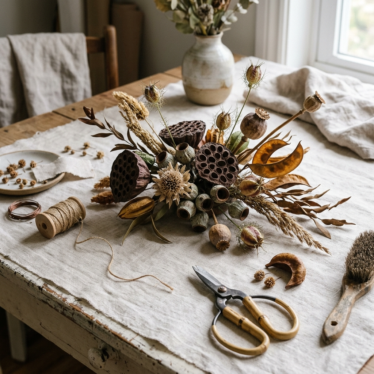
Florists and craft enthusiasts often seek unique natural elements to elevate their designs. Dried botanical pods offer distinct textures and earthy colors that make any display stand out. We created this guide to help you find high-quality pods safely and legally. When you buy natural plant materials, you must understand how to check their quality, handle them properly, and follow local laws.
What Are Dried Botanical Pods?
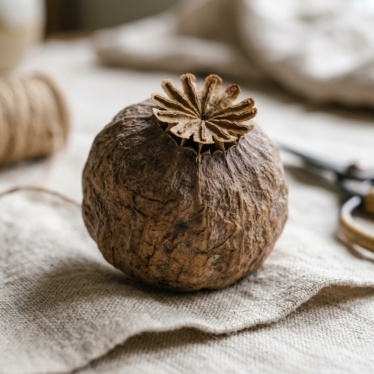
Dried botanical pods are the mature seed capsules left behind after a plant finishes blooming and loses its petals. Plants naturally create these tough outer shells to protect their seeds as they develop. Once the plant completes its life cycle, the pod dries out and hardens into a rigid, woody structure.
One of the most popular varieties for floral design is the Papaver somniferum pod. Crafters value these specific pods for their prominent globe shape, pale muted colors, and the unique star-shaped crowns at the top. For additional botanical context, readers can review general plant-family references from sources such as the Encyclopaedia Britannica.
Common Decorative Uses
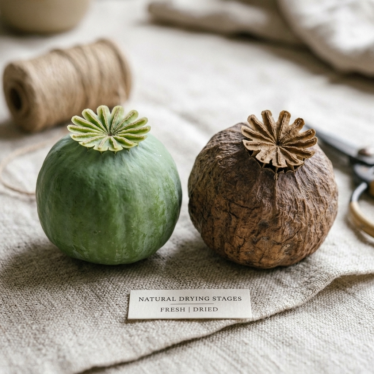
You can use these striking natural items in many creative ways. Because they hold their shape well once dried, botanical pods make excellent long-term additions to home decor.
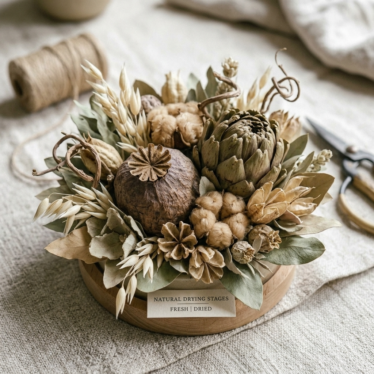
- Floral Arrangements: Florists mix dried pods with fresh or dried flowers to add visual weight and structural contrast to bouquets.
- Wreaths and Centerpieces: The rustic look of the pods fits well in autumn wreaths, holiday table displays, and natural seasonal decor.
- Craft Projects: Crafters often paint, gild, or preserve the pods to create customized botanical art pieces.
For general dried-flower craft and preservation guidance, educational resources such as Penn State Extension’s flower drying guide can help readers understand how dried natural materials behave in arrangements.
Evaluating Product Quality
You want your floral displays to look beautiful and last a long time. When you shop for dried poppy pod heads, you should inspect the physical condition of the product.
A high-quality pod feels firm to the touch. The stem should remain securely attached, and the star-shaped crown should look intact. Good suppliers dry their plants properly to prevent mold and preserve the natural color. Avoid buying pods that feature deep cracks, soft spots, or signs of moisture damage, as these will break apart easily and ruin your display.
The Importance of Sourcing Transparency
You need to know exactly where your botanical materials come from. Because certain plant pods face strict agricultural oversight, ethical sourcing matters.
Transparent suppliers track their harvest carefully from the farm to your door. They ensure every batch meets required safety and compliance standards. When a company operates openly, you can trust the quality of their items. You can explore our wide selection of legal, compliant botanicals right on our homepage.
Responsible sourcing also means understanding plant movement rules, especially when botanical materials cross state or national borders. For general plant-health and import information, consult the USDA Animal and Plant Health Inspection Service.
Legality and Jurisdiction-Dependent Regulations
The laws surrounding certain botanical items change rapidly depending on your location and your intent. In many regions, you can legally purchase and own dried pods strictly for non-consumptive craft and floral uses.
However, possessing those exact same pods with the intent to process them violates controlled substance laws. Agricultural departments also monitor shipments crossing borders to prevent the spread of plant diseases. Always check your local and federal regulations before you buy. For a deeper look at compliance, read our comprehensive Poppy Pods: Legal, Safety & Sourcing Guide.
For broader legal background, readers can review the DEA Controlled Substances Act overview. This external resource does not replace legal advice, but it can help readers understand why intent, handling, and jurisdiction matter.
Safe Handling and Storage
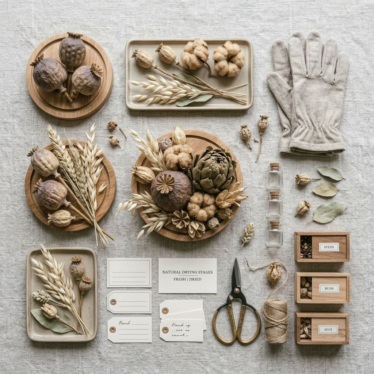
Treat your dried botanicals carefully to keep your home safe and protect your investment. Even when dried for floral arrangements, these plants require specific handling protocols.
Always store your pods in a cool, dry place away from direct sunlight. High humidity causes mold growth, which destroys the pod and may release harmful spores into your air. Keep all botanical displays far out of reach of children and household pets. Finally, wash your hands with soap and water after handling any raw agricultural products to remove natural dust or plant residue.
For general information about moisture and mold prevention in the home, the CDC’s mold health guidance is a useful external reference.
Red Flags to Avoid When Choosing Suppliers
Not all online sellers follow the rules. You must protect yourself by avoiding vendors who engage in risky or illegal practices.
Stay away from any supplier who suggests consuming the pods or provides instructions for processing them. Reliable vendors sell these items exclusively for decoration. You should also leave any website that lacks clear contact information, return policies, or sourcing details. If a seller hides how they obtain their plants, they likely ignore important agricultural regulations.
How to Compare Online Sources Responsibly
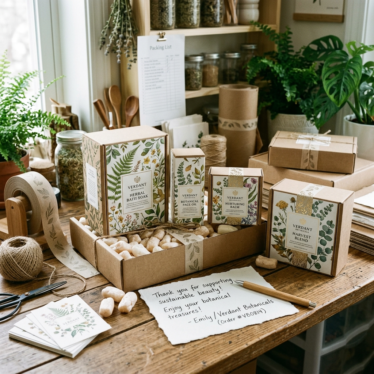
Finding a trustworthy supplier requires a bit of research. Read customer reviews to see if previous buyers received intact, high-quality products. Look at the language the seller uses across their website.
The best companies focus clearly on floristry, crafts, and natural decor. They provide clear product photos, detailed sizing information, and prompt customer support. By choosing sellers who specialize in legal, ornamental items like our dried Papaver poppy pods, you ensure a safer and more successful crafting experience.
When comparing sources, use external references to confirm general plant-handling and compliance expectations. Helpful resources include the USDA APHIS for plant-health guidance and the DEA for federal controlled-substance information.
Frequently Asked Questions
Are dried botanical pods safe to keep in my house?
Yes, they are safe when used properly as decorations. You must keep them strictly for floral displays and store them out of reach of children and pets.
How long do dried pods last in a floral arrangement?
When kept in a cool, dry room away from direct sunlight and excess moisture, high-quality dried pods can hold their shape and color for several years.
Can I process or consume dried floral pods?
No. You must never consume, brew, or process these botanical items. They contain natural compounds that pose severe health risks and can cause fatal toxicity if ingested.
What makes a good decorative pod supplier?
A good supplier focuses entirely on the ornamental value of the plants. They provide transparent sourcing information, clear product details, compliance-focused guidance, and strict warnings against consumptive use.
