
- Your cart is empty
- Continue shopping
-
sales@primiumpoppypods.com
- Posted on
- Categories:Uncategorized
- 0 comments
Poppy Pod Regulations: What Buyers Should Know
Buying botanical products often seems like a straightforward process. You browse, you click, and a natural product arrives at your door. However, certain dried plants carry complex legal and regulatory weight. Poppy pods stand out as a prime example of a botanical item caught in a web of international, national, and local regulations.
Understanding the legal landscape surrounding poppy pods is essential for anyone interested in botany, floral design, or agricultural imports. This guide explores the regulatory frameworks governing these pods, explaining why laws differ globally and what you need to know about compliance.
Key takeaways from this article:
- Regulations depend heavily on the specific plant species, the buyer’s intent, and regional laws.
- Importing botanical products crosses multiple legal boundaries, triggering both agricultural and controlled substance checks.
- E-commerce platforms and payment processors enforce their own strict policies, which often override local legality.
What Are Poppy Pods?
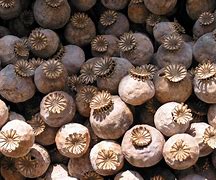
Poppy pods are the dried seed capsules of the poppy plant. While there are many varieties of poppies, regulators focus almost entirely on Papaver somniferum. Historically, people have cultivated this specific species for its seeds, which are common in baking, and for its striking visual appearance in dried floral arrangements and crafts.
However, the plant also produces natural alkaloids. Because these compounds exist within the pod walls, agricultural and law enforcement agencies monitor the plant closely. The presence of these alkaloids transforms a simple garden flower into a highly regulated botanical specimen.
Why Regulations Vary by Region
If you look at global laws, you will quickly notice that governments treat poppy pods very differently depending on where you live. This variation happens for three primary reasons:
Focus on Plant Parts
Many legal frameworks split the plant into different categories. For instance, a country might allow the unrestricted sale of processed poppy seeds for culinary use, while strictly banning the sale of the pod that housed those seeds. Regulators often distinguish between the seeds, the stems, and the capsule itself.
Agricultural Protection
Beyond drug enforcement, agricultural departments restrict plant imports to protect local ecosystems. Dried pods can harbor invasive pests, fungi, or viable seeds that could disrupt local agriculture. Therefore, a country might ban the import of poppy pods purely for ecological reasons rather than chemical ones.
International Treaties vs. Local Enforcement
Many countries sign international treaties governing the movement of alkaloid-producing plants. However, individual nations interpret and enforce these treaties through their own local laws. What one country considers a harmless floral supply, another classifies as a restricted substance.
Common Legal Considerations for Buyers
When navigating the rules around poppy pods, buyers must understand several overlapping legal concepts. Ignorance of these laws does not protect you from penalties.
The Concept of Intent
In many jurisdictions, the legality of possessing certain botanical items hinges heavily on the buyer’s intent. Authorities often draw a sharp line between possessing a product for decorative floral use and possessing it for consumption or extraction. If law enforcement determines that a buyer intends to process the pods to extract alkaloids, the buyer faces severe legal consequences.
Federal vs. State or Provincial Laws
Depending on your country, local laws might conflict with national laws. In the United States, for example, the Controlled Substances Act governs the plant at the federal level. Even if a local municipality has relaxed rules regarding botanical cultivation, federal agencies still enforce strict national guidelines. Buyers must comply with the most restrictive law that applies to their location.
Navigating Import and Export Rules
Purchasing poppy pods from an international seller introduces a new layer of complexity. When goods cross borders, they must clear customs and agricultural inspections.
- Customs seizures: Border control agents frequently inspect packages containing dried organic matter. If a package contains restricted botanical items, agents will seize and destroy the shipment.
- Documentation requirements: Shipping dried plants often requires phytosanitary certificates. These documents prove that the plants are free from pests and diseases. Sellers rarely provide these certificates for casual retail purchases.
- Legal liability: As the importer on record, the buyer bears the responsibility for ensuring the product complies with all national import laws. Ordering a restricted item from overseas can trigger investigations by border security agencies.
Platform and Seller Compliance
Even if a specific type of poppy pod is legal to possess in your town, you might struggle to find it online. This happens because corporate policies often restrict sales more tightly than government laws do.
E-commerce marketplaces like eBay, Etsy, and Amazon maintain strict Terms of Service regarding restricted plants. These platforms ban the sale of poppy pods to protect themselves from legal liability and to maintain positive relationships with payment processors.
Similarly, credit card networks and payment gateways (like PayPal or Stripe) prohibit the use of their services for selling potentially restricted botanical items. As a result, independent website owners often face immediate account suspension if they attempt to process payments for these goods.
Steps to Verify Local Laws
If you are researching the regulatory status of botanical products in your area, take a systematic approach to verify the rules.
- Check agricultural databases: Review the guidelines published by your national or regional department of agriculture. Look for restricted plant lists and import requirements.
- Review controlled substance schedules: Search your government’s official legal code to see if the specific botanical name (Papaver somniferum) appears on any restricted or controlled substance lists.
- Consult legal counsel: If you operate a floral business or botanical supply company, speak directly with an attorney who specializes in agricultural or commercial compliance.
- Do not rely on seller claims: An online seller claiming their product is “100% legal” does not guarantee your safety. Sellers operate in different jurisdictions and often misunderstand the laws governing the buyer’s location.
Frequently Asked Questions (FAQ)
Are poppy pods legal to buy for floral arrangements?
The legality depends entirely on your location and the specific species of the poppy. In many countries and states, purchasing or possessing Papaver somniferum pods is heavily restricted or illegal, regardless of whether you intend to use them for crafts or floral displays.
Do agricultural laws affect the shipping of dried poppy pods?
Yes. Agricultural agencies closely monitor the shipment of dried plants to prevent the spread of invasive pests, viable seeds, and plant diseases. Shipping these items often requires specific permits and phytosanitary certificates.
Why do major online marketplaces ban the sale of poppy pods?
Major e-commerce platforms ban these items to comply with payment processor restrictions and to avoid legal liability. Because regional laws vary so drastically, platforms find it safer to enforce a blanket ban on the product rather than navigating complex local regulations.
Does the “intent” of the buyer matter to law enforcement?
Yes. While possession alone can be a violation in many areas, law enforcement agencies often look at the buyer’s intent. Purchasing pods with the intent to consume or extract compounds carries much harsher legal penalties than possessing them for decorative purposes, though both can be illegal depending on local statutes.
Conclusion
The regulatory environment surrounding poppy pods is complex, strict, and highly variable. What appears as a simple dried flower holds significant legal implications due to agricultural risks and the natural compounds the plant contains.
Whether you are a florist, a botanical researcher, or simply a curious consumer, understanding these regulations prevents unintended legal violations. Always prioritize compliance by researching your local agricultural codes, reviewing national controlled substance schedules, and consulting with legal professionals before engaging with restricted botanical items.
You may also like
Austrian Poppy Pods Without Seeds
austrian poppy seed cake recipe
austrian poppy seed strudel recipe
