
- Your cart is empty
- Continue shopping
-
sales@primiumpoppypods.com
- Posted on
- Categories:Uncategorized
- 0 comments
How to Source Premium Poppy Petals for Crafting
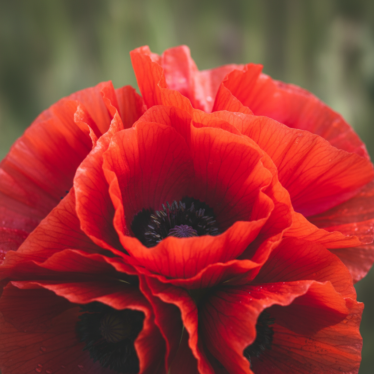
Premium poppy petals and pods provide vibrant color, unique textures, and lasting durability for diverse crafting projects. By sourcing organic, untreated poppy botanical materials from reputable suppliers, crafters can successfully create stunning resin art, custom papermaking, and floral arrangements. Always choose Grade A dried materials for optimal preservation.
Crafting with natural botanicals allows artisans to bring a piece of nature directly into their artwork. Poppy petals, known for their paper-thin delicacy and striking hues, present a unique medium for creative expression. Achieving professional results requires starting with high-quality, properly preserved materials.
Many crafters struggle with botanical materials that lose their color, turn brown in resin, or crumble during the handling process. Selecting premium-grade materials directly eliminates these common frustrations. High-quality poppy petals retain their cellular structure and pigmentation much better than lower-grade alternatives.
For more information on botanical preservation and flower crafting, visit Royal Horticultural Society: Preserving Flowers and Smithsonian: How to Dry Flowers.
This guide provides a comprehensive overview of how to source, select, and utilize premium poppy petals and pods in your crafting endeavors. You will learn specific techniques for working with these fragile materials, discover new project ideas, and understand exactly what to look for when ordering your supplies online.
Why should you choose premium poppy petals for crafting?
Premium poppy petals offer superior color retention, structural integrity, and consistency compared to standard or lower-grade botanicals. Choose premium petals if long-lasting visual appeal matters more than initial cost savings.
When you purchase lower-quality petals, you often encounter bruising, uneven drying, and rapid fading. Premium suppliers carefully harvest the poppy flower at peak bloom and utilize rapid-drying techniques. This process locks in the natural pigments. According to botanical preservation experts, rapid moisture removal prevents the cellular breakdown that causes browning in dried flowers.
Furthermore, premium petals are typically untreated with harsh chemicals. This makes them safer to handle and ensures they will not react unpredictably when mixed with crafting chemicals like epoxy resin or candle wax. For crafters who also utilize dried poppy pod heads in their floral arrangements, pairing them with premium petals creates a cohesive, high-end aesthetic.
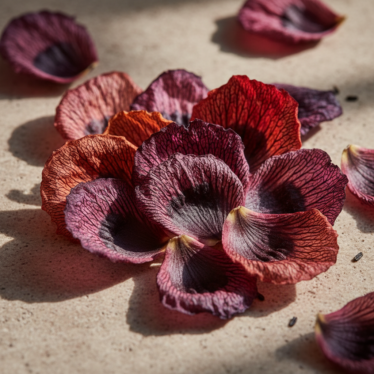
What are the best creative crafting ideas with poppy petals?
The best crafting ideas for poppy petals include resin jewelry making, botanical papermaking, custom wax melts, and mixed-media floral arrangements. Because poppy petals are naturally thin and translucent, they interact beautifully with light-transmitting mediums.
Resin Jewelry and Coasters
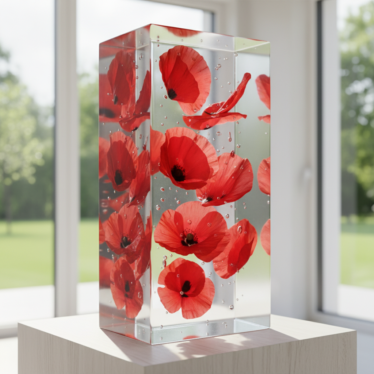
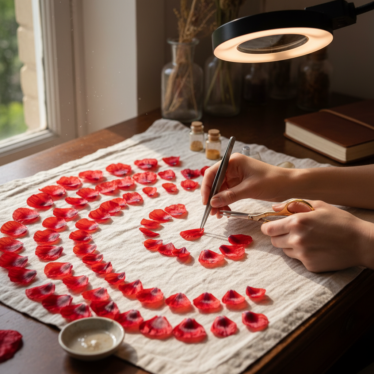
Poppy petals excel in epoxy and UV resin projects. Their thin profile means they do not create unwanted bubbles or require deep-pour resin. Crafters frequently embed a single, vibrant red poppy petal inside a clear resin pendant. When making resin coasters, you can arrange the petals in a mandala pattern.
Botanical Papermaking
Adding dried petals to handmade paper pulp creates a luxurious, textured finish. Poppy petals are particularly effective because they do not bleed heavy dyes into the surrounding paper pulp. You can tear the petals into smaller flakes and mix them directly into a cotton or recycled paper slurry before pressing.
Candle Making and Wax Melts
While you must never place dried flowers near an open candle wick due to fire hazards, poppy petals are perfect for the outer edges of pillar candles or inside flameless wax melts. The heat gently warms the wax, highlighting the natural beauty of the embedded petals.
Floral Arrangements and Wreaths
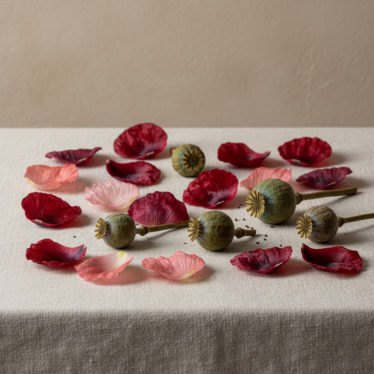
For larger visual pieces, combine delicate poppy petals with sturdy structural elements. Using Fresh, Untreated Poppy Pods provides an excellent textural contrast to the soft petals. The pods offer a robust, architectural shape that grounds the airy quality of the petals in wreaths and shadow boxes.
How do you source high-quality poppy petals and pods?
To source high-quality poppy materials, purchase directly from specialized botanical suppliers that offer organic certification, transparency about their drying methods, and Grade A ratings. Avoid mass-market craft stores where botanicals may have sat on shelves for years.
When ordering online, check for suppliers that specify “untreated” or “organic” in their product descriptions. For example, a trusted supplier like Premium Poppy Pods provides organic certified, fast-delivery botanical products. Their catalog includes specialized items like Dried Papaver Poppy Pods (Grade A), ensuring you receive top-tier materials suitable for intricate crafting.
For buying tips and botanical sourcing, review Botanical Colors: Guide to Choosing Botanical Materials and Gardeners’ World: Where to Buy Dried Flowers.
When evaluating a new supplier, look for the following criteria:
- Clear sourcing information: The supplier should state where and how the poppies are grown.
- Proper packaging: Premium petals must be shipped in crush-proof, airtight containers with silica gel packets to prevent moisture damage during transit.
- Product variety: A good supplier often provides related botanical products, such as Opium Poppy Pods or sage bundles, indicating a broad expertise in botanical preservation.
What are the top tips for working with dried poppy petals?
The most critical tips for working with dried poppy petals involve strict moisture control, gentle handling tools, and proper sealant application. Dried poppy petals act like sponges; they will absorb humidity from the air, which causes them to wilt or rot inside sealed crafts.
First, always store your unused petals in an airtight container with a fresh silica gel packet. Keep this container in a cool, dark place to prevent UV fading.
Second, handle the petals using rubber-tipped tweezers. The oils and moisture from human fingers can degrade the petal’s surface over time. Rubber-tipped tweezers allow you to grip the delicate material firmly without tearing the paper-thin cellular structure.
Third, seal the petals before embedding them in wet mediums. If you plan to use poppy petals in water-based glues or certain resins, coat them first with a thin layer of aerosol hairspray or a specialized botanical sealant. This creates a barrier that prevents the petal from absorbing the liquid and turning translucent or brown.
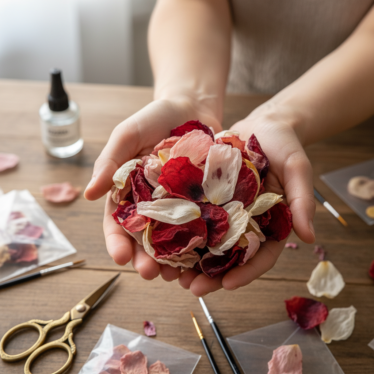
How can you enhance your crafts using specific techniques and tools?
Enhancing your poppy petal crafts requires using precision tools like micro-scissors, UV resin pens, and color-enhancing setting sprays. Applying these tools elevates a basic craft into a professional-grade art piece.
Micro-Scissors for Precision Cutting
Sometimes a whole petal is too large for your project. Standard scissors will crush the edges of a dried petal. Micro-scissors, often used in embroidery, slice cleanly through dried botanicals without fracturing the surrounding tissue.
UV Resin Pens for Spot Placement
When arranging petals onto a backing board or inside a bezel, use a UV resin pen to apply microscopic dots of adhesive. This technique allows you to tack the petal down instantly with a UV flashlight, preventing the petal from floating out of place when you pour the final resin layer.
Color-Enhancing Sprays
Even premium petals can benefit from a UV-resistant clear coat spray. Applying a light dusting of archival-quality UV spray prevents the natural pigments from fading when exposed to sunlight in a window display or jewelry piece.
Integrating Botanical Textures
To add depth to your crafts, mix soft petals with coarse materials. Incorporating crushed poppy powder into the background of a resin cast creates a speckled, earthy backdrop that makes the whole red petals pop visually.
Frequently Asked Questions (FAQ)
What is the best way to store premium poppy petals?
Store premium poppy petals in an airtight glass or plastic container alongside a silica gel desiccant packet. Keep the container in a cool, dark environment away from direct sunlight and fluctuating humidity to maintain their color and crispness.
Can I use poppy petals in lip gloss or cosmetics?
No, you should only use poppy petals in cosmetics if they are explicitly sold as food-grade or cosmetic-grade by the manufacturer. Crafting-grade petals may contain non-toxic floral dyes or lack the rigorous sanitation required for skincare applications.
Why do my dried poppy petals turn brown in resin?
Dried poppy petals turn brown in resin when they still contain residual moisture. To prevent this, ensure your petals are 100% bone-dry before casting. You can achieve this by burying them in fine silica gel sand for 48 hours prior to your resin project.
How do premium poppy petals differ from standard grade?
Premium poppy petals are harvested at peak bloom, rapidly dried to lock in vibrant pigments, and shipped in crush-proof packaging. Standard grade petals are often air-dried slowly, resulting in duller colors, and are more likely to arrive bruised or torn.
Where can I buy related poppy botanical supplies for crafting?
You can purchase high-quality poppy botanicals, including untreated pods and stems, directly from specialized online retailers. Websites like Premium Poppy Pods offer a wide variety of organically certified, Grade A botanical materials suitable for advanced crafting.
{
  "@context": "https://schema.org",
  "@type": "FAQPage",
  "mainEntity": [
    {
      "@type": "Question",
      "name": "What is the best way to store premium poppy petals?",
      "acceptedAnswer": {
        "@type": "Answer",
        "text": "Store premium poppy petals in an airtight glass or plastic container alongside a silica gel desiccant packet. Keep the container in a cool, dark environment away from direct sunlight and fluctuating humidity to maintain their color and crispness."
      }
    },
    {
      "@type": "Question",
      "name": "Can I use poppy petals in lip gloss or cosmetics?",
      "acceptedAnswer": {
        "@type": "Answer",
        "text": "No, you should only use poppy petals in cosmetics if they are explicitly sold as food-grade or cosmetic-grade by the manufacturer. Crafting-grade petals may contain non-toxic floral dyes or lack the rigorous sanitation required for skincare applications."
      }
    },
    {
      "@type": "Question",
      "name": "Why do my dried poppy petals turn brown in resin?",
      "acceptedAnswer": {
        "@type": "Answer",
        "text": "Dried poppy petals turn brown in resin when they still contain residual moisture. To prevent this, ensure your petals are 100% bone-dry before casting. You can achieve this by burying them in fine silica gel sand for 48 hours prior to your resin project."
      }
    },
    {
      "@type": "Question",
      "name": "How do premium poppy petals differ from standard grade?",
      "acceptedAnswer": {
        "@type": "Answer",
        "text": "Premium poppy petals are harvested at peak bloom, rapidly dried to lock in vibrant pigments, and shipped in crush-proof packaging. Standard grade petals are often air-dried slowly, resulting in duller colors, and are more likely to arrive bruised or torn."
      }
    },
    {
      "@type": "Question",
      "name": "Where can I buy related poppy botanical supplies for crafting?",
      "acceptedAnswer": {
        "@type": "Answer",
        "text": "You can purchase high-quality poppy botanicals, including untreated pods and stems, directly from specialized online retailers. Websites like Premium Poppy Pods offer a wide variety of organically certified, Grade A botanical materials suitable for advanced crafting."
      }
    }
  ]
}
Start Your Next Botanical Crafting Project
Crafting with premium poppy petals offers an incredibly rewarding way to integrate natural beauty into your artistic projects. By understanding how to properly source Grade A materials, manage moisture, and handle delicate floral tissues, you guarantee professional, long-lasting results in your resin art, papermaking, and floral designs. The key lies in prioritizing quality from the very beginning.
Now that you have the knowledge and strategies to work with these beautiful botanicals, it is time to gather your supplies. Visit Premium Poppy Pods today to explore a trusted selection of organic, fast-shipping botanical products, and take your creative crafting to the next level.
Want more flower craft inspiration? Explore Pinterest’s Poppy Petal Craft Ideas and Country Living: Best Ever Uses for Dried
