
- Your cart is empty
- Continue shopping
-
sales@primiumpoppypods.com
- Posted on
- Categories:Uncategorized
- 0 comments
Introduction to Purple Lavender Flowers
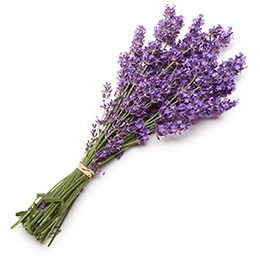
Purple lavender flowers are among the most recognizable blooms in the world, admired for their vibrant color, soothing fragrance, and wide range of uses. Their signature purple tones—ranging from soft lilac to deep violet—make them a standout in gardens, floral arrangements, and natural landscapes. Beyond their beauty, purple lavender flowers carry cultural meaning and practical value that extend into wellness, culinary arts, and home décor.
Appearance and Botanical Features
Purple lavender flowers grow on tall, slender stems topped with small clustered blossoms. The plant features narrow, silvery-green leaves that contrast beautifully with its colorful flower spikes. Depending on the variety and growing conditions, the intensity of purple can vary significantly. Full sunlight typically produces richer coloration, while slightly shaded conditions may result in softer tones.
The structure of lavender also adds to its appeal. Its upright growth habit creates natural movement in gardens and floral designs, while its dense flower clusters attract pollinators such as bees and butterflies.
Popular Varieties of Purple Lavender
Several lavender species produce purple flowers, each offering unique characteristics:
English lavender (Lavandula angustifolia) produces the classic deep purple blooms and strong fragrance most people associate with lavender.
French lavender (Lavandula dentata) displays lighter purple tones and has a slightly milder scent.
Spanish lavender (Lavandula stoechas) stands out with distinctive petal-like bracts that resemble small purple crowns.
Gardeners often select varieties based on climate, fragrance intensity, and visual preference.
Uses of Purple Lavender Flowers
Purple lavender flowers serve many practical and decorative purposes. In home décor, people use them in fresh or dried bouquets, wreaths, and table arrangements. Their color brings a calming and elegant aesthetic to both rustic and modern interiors.
In wellness practices, lavender plays a major role in aromatherapy. People use its scent to promote relaxation, reduce stress, and support better sleep. Essential oils extracted from purple lavender flowers appear in candles, bath products, and diffusers.
Culinary enthusiasts also use culinary-grade lavender to add floral notes to teas, baked goods, syrups, and savory dishes. When used carefully, it enhances recipes without overpowering other flavors.
Symbolism and Meaning
Purple lavender flowers carry strong symbolic meaning across cultures. They often represent calmness, purity, and devotion. The color purple itself traditionally symbolizes royalty, spirituality, and wisdom, which adds depth to lavender’s meaning.
People frequently choose lavender for weddings to express lasting love and harmony. It also appears in memorial arrangements, where it symbolizes peace and remembrance. Its gentle presence makes it suitable for both joyful and reflective occasions.
Growing Purple Lavender Flowers
Growing purple lavender flowers requires well-drained soil, full sunlight, and moderate watering. The plant thrives in dry, warm climates and struggles in overly wet conditions. Gardeners improve growth by pruning after blooming, which encourages new shoots and maintains a compact shape.
Lavender grows well in garden beds, borders, and containers, making it a versatile choice for different spaces. Once established, it requires minimal maintenance and can produce blooms for many years.
Care and Maintenance
Proper care helps preserve the beauty and fragrance of lavender flowers. Fresh-cut stems should go into clean water and stay away from direct heat or sunlight. Dried lavender should remain in a cool, dry place to maintain its color and scent. Regular handling should stay minimal to prevent petals from breaking.
Conclusion
Purple lavender flowers combine striking visual appeal with calming fragrance and deep symbolic meaning. Their versatility allows them to thrive in gardens, enhance interior spaces, and support wellness practices. With their timeless beauty and easy care, purple lavender flowers continue to hold a special place in both nature and human culture.
