
- Your cart is empty
- Continue shopping
-
sales@primiumpoppypods.com
- Posted on
- Categories:Uncategorized
- 0 comments
Introduction to Lavender Flowers Meaning
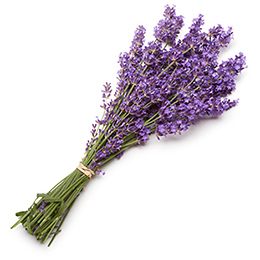
The lavender flowers meaning is deeply rooted in history, culture, and symbolism, making this delicate purple bloom far more than just an ornamental plant. Across centuries, lavender has represented calmness, purity, devotion, and healing. Its soft color and soothing fragrance reinforce these associations, which is why lavender continues to appear in gardens, ceremonies, and thoughtful gifts around the world.
Historical and Cultural Symbolism
Lavender has been valued since ancient civilizations. The Romans used it in baths and perfumes, associating it with cleanliness and refinement. In medieval Europe, people believed lavender could protect against illness and negative energy, so they placed it in homes and churches. Over time, its reputation evolved from a protective herb to a symbol of peace and spiritual clarity. These historical uses shaped how lavender is still perceived today as a flower of calm and renewal.
Emotional and Spiritual Meaning
One of the strongest interpretations of lavender flowers meaning is emotional balance. Lavender symbolizes tranquility and inner peace, often linked to stress relief and relaxation. Many people associate it with emotional healing, especially during difficult life transitions. Spiritually, lavender is connected to purity of intention and higher awareness. Its gentle presence encourages reflection, making it a common choice for meditation spaces and wellness practices.
Lavender in Love and Relationships
Lavender also carries meaning in romantic and interpersonal relationships. It represents devotion, grace, and quiet affection rather than intense passion. Couples often use lavender in wedding bouquets to express lasting commitment and harmony. Unlike bold red roses that symbolize deep passion, lavender communicates a softer, more peaceful kind of love built on trust and understanding. It is also given as a gesture of comfort and care between friends and family.
Meaning in Color Psychology
The purple tones of lavender play an important role in its symbolism. In color psychology, purple often represents creativity, spirituality, and luxury. Lighter shades, like lavender, soften these meanings and introduce calmness and approachability. This combination explains why lavender feels both elegant and soothing. Its visual softness reinforces its association with relaxation and emotional balance.
Lavender in Modern Uses and Interpretation
Today, lavender continues to hold strong symbolic value in modern culture. People use it in aromatherapy to promote relaxation and better sleep, reinforcing its meaning as a calming and healing flower. It frequently appears in wellness branding, spa environments, and mindfulness practices. In home décor, lavender arrangements create peaceful atmospheres, while in gifting, they express thoughtfulness and gentle affection.
Symbolism in Different Life Events
Lavender plays a meaningful role in various life events. At weddings, it symbolizes loyalty and serenity in marriage. In memorials, it represents remembrance, peace, and spiritual rest. It also appears in baby showers and housewarming gifts as a sign of blessing and positive energy. Its versatility in meaning allows it to fit both joyful and reflective occasions.
Conclusion
The lavender flowers meaning combines emotional depth, cultural history, and natural beauty. It represents calmness, devotion, healing, and spiritual clarity across many traditions and modern uses. Whether viewed as a decorative bloom or a symbolic gesture, lavender continues to communicate peace and gentle strength. Its enduring meaning ensures that it remains one of the most emotionally expressive flowers in the world.
