
- Your cart is empty
- Continue shopping
-
sales@primiumpoppypods.com
- Posted on
- Categories:Uncategorized
- 0 comments
Introduction to Lavender Flowers
Lavender flowers rank among the most recognizable and cherished plants in the world. Gardeners and herbalists value them for their soothing fragrance, delicate purple hues, and wide range of uses. The genus Lavandula originates in the Mediterranean region, but growers now cultivate lavender globally for ornamental, medicinal, and culinary purposes. Its lasting popularity comes from both its beauty and its practical benefits.
Botanical Characteristics
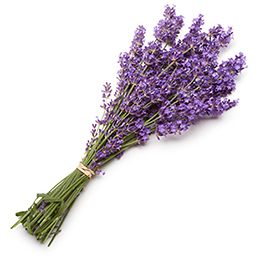
Lavender grows as a perennial shrub with narrow, silvery-green leaves and slender stems topped with clusters of small, tubular flowers. These blooms appear in shades of violet, lilac, or blue, while some varieties produce pink or white flowers. The plant thrives in sunny environments with well-drained soil and adapts well to dry, warm climates. Gardeners appreciate its resilience and low maintenance needs.
Varieties of Lavender
Several well-known types of lavender offer distinct features. English lavender (Lavandula angustifolia) produces a sweet fragrance and tolerates colder climates, which makes it ideal for cooler regions. French lavender (Lavandula dentata) displays serrated leaves and gives off a milder scent. Spanish lavender (Lavandula stoechas) stands out with its unique, petal-like bracts that resemble butterfly wings. Gardeners select varieties based on climate, intended use, and visual appeal.
Fragrance and Therapeutic Benefits
Lavender delivers a calming aroma that people have used for centuries in aromatherapy and traditional medicine. Producers extract essential oils from its flowers to promote relaxation, reduce anxiety, and improve sleep quality. Many individuals add lavender to diffusers, bath products, and herbal remedies to create a peaceful atmosphere. Skincare brands also include lavender for its gentle and soothing properties.
Culinary and Practical Uses
Lavender also plays a role in the culinary world. Chefs and home cooks use its flowers to flavor teas, baked goods, syrups, and even savory dishes. When used carefully, lavender adds a subtle floral note that enhances recipes. People also place dried lavender in sachets to freshen linens and wardrobes or include it in potpourri and decorative displays.
Growing and Caring for Lavender
Gardeners find lavender easy to cultivate when they provide the right conditions. The plant needs full sunlight, proper air circulation, and well-drained soil to thrive. Growers avoid overwatering because lavender prefers drier environments. Regular pruning after flowering helps maintain shape and encourages new growth. With consistent care, lavender plants can live for years and produce reliable seasonal blooms.
Cultural and Symbolic Significance
Lavender carries strong symbolic meaning across cultures. People often associate it with purity, calmness, and devotion. In ancient times, individuals used lavender in bathing rituals and as a natural perfume. Today, many choose it for weddings, gifts, and memorials because it conveys serenity and grace.
Conclusion
Lavender flowers combine beauty, fragrance, and functionality in a way few plants can match. Gardeners, chefs, and wellness enthusiasts continue to rely on lavender for its versatility and charm. Its ease of cultivation and rich history ensure that lavender remains a timeless favorite in gardens and homes around the world.
