
- Your cart is empty
- Continue shopping
-
sales@primiumpoppypods.com
- Posted on
- Categories:Uncategorized
- 0 comments
Introduction to Lavender Floral Arrangements
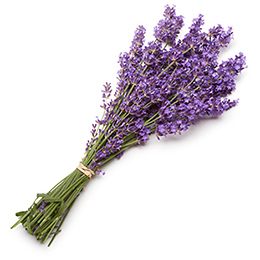
Lavender floral arrangements have long been admired for their delicate beauty, calming fragrance, and timeless appeal. With their signature purple tones and graceful stems, lavender flowers bring a sense of tranquility and refinement to any setting. Whether displayed in homes, used in events, or given as gifts, lavender arrangements offer a perfect balance of simplicity and elegance.
Aesthetic Versatility and Design Pairings
One of lavender’s greatest strengths in floral design is its versatility. Its soft hues—ranging from pale lilac to rich violet—blend seamlessly with a variety of colors and textures. In rustic arrangements, lavender pairs beautifully with natural elements like wheat, burlap, and wildflowers. For a more refined or romantic look, it complements blooms such as roses, peonies, and eucalyptus. This adaptability allows florists and enthusiasts to use lavender across many styles, from countryside charm to modern minimalism.
Fragrance and Wellness Benefits
Lavender is widely recognized for its soothing scent, which is often linked to relaxation and stress relief. Incorporating lavender into floral arrangements enhances not only their visual appeal but also the ambiance of a space. The gentle aroma can promote calmness, making lavender arrangements especially suitable for bedrooms, spas, and wellness environments. This dual sensory benefit—visual and aromatic—sets lavender apart from many other flowers.
Fresh vs. Dried Lavender Uses
Another notable advantage of lavender is its durability, particularly when dried. Fresh lavender is ideal for vibrant seasonal arrangements, especially in late spring and summer when it is most abundant. Dried lavender, on the other hand, retains its structure, color, and fragrance for long periods. This makes it perfect for long-lasting bouquets, wreaths, and decorative accents. Its preserved nature ensures that lavender can be enjoyed year-round.
Design Techniques and Composition
When creating lavender floral arrangements, balance and proportion are essential. Lavender’s slender, vertical stems naturally add height and movement, making them excellent accent elements. Designers often combine lavender with fuller flowers and varied foliage to create depth and contrast. While it can be used as a subtle addition, a monochromatic lavender bouquet can also make a striking statement through its simplicity.
Symbolism and Meaning
Lavender carries rich symbolic meaning, often associated with purity, calmness, devotion, and grace. Because of these associations, lavender arrangements are commonly used in weddings, memorials, and thoughtful gifts. A bouquet featuring lavender can express serenity and care, making it a meaningful choice for both celebratory and reflective occasions.
Care and Maintenance Tips
Caring for lavender arrangements is relatively simple. Fresh lavender should be placed in clean water, with stems trimmed regularly to maintain freshness. Dried lavender requires minimal upkeep—just keep it away from humidity and direct sunlight to preserve its color and scent. With proper care, lavender arrangements can remain attractive and fragrant for extended periods.
Conclusion
Lavender floral arrangements combine elegance, versatility, and sensory appeal in a way few flowers can. Their soft beauty, calming fragrance, and long-lasting nature make them suitable for a wide range of uses and environments. Whether fresh or dried, lavender continues to be a beloved choice for those seeking floral designs that are both visually stunning and deeply meaningful.
