
- Your cart is empty
- Continue shopping
-
sales@primiumpoppypods.com
- Posted on
- Categories:Uncategorized
- 0 comments
Eco-Friendly Poppy Pods: A Sustainable Choice for Natural Decor and Crafting
Eco-friendly poppy pods are becoming increasingly popular among environmentally conscious consumers seeking natural, biodegradable materials for decor and creative projects. These botanical elements combine aesthetic appeal with sustainability, making them an excellent alternative to synthetic or non-renewable decorative items. Understanding how poppy pods can be sourced, used, and preserved in an eco-friendly way is key to making responsible choices.
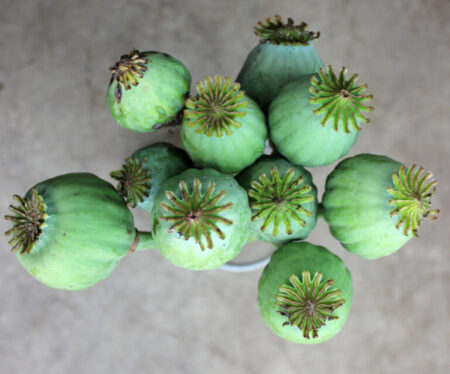
What Makes Poppy Pods Eco-Friendly?
Poppy pods are considered eco-friendly when they are grown, harvested, and distributed using sustainable practices. This includes avoiding harmful pesticides, minimizing water waste, and ensuring ethical labor conditions. Many small-scale farmers cultivate poppies as part of crop rotation systems, which helps maintain soil health and biodiversity.
Additionally, poppy pods are fully biodegradable. Unlike plastic decorations or chemically treated materials, they break down naturally without harming the environment. This makes them ideal for consumers looking to reduce their ecological footprint.
Sustainable Sourcing Matters
When purchasing eco-friendly poppy pods, sourcing is one of the most important factors to consider. Look for suppliers who emphasize organic farming methods or who clearly state their sustainability practices. Locally grown poppy pods are often a better choice, as they reduce the carbon emissions associated with long-distance transportation.
Buying directly from farmers’ markets or certified eco-conscious vendors also helps support local agriculture and ensures greater transparency in how the products are grown and harvested.
Uses in Eco-Conscious Living
Eco-friendly poppy pods are highly versatile and can be used in a variety of sustainable applications. They are commonly featured in natural home decor, including wreaths, table centerpieces, and dried floral arrangements. Their unique shapes and earthy tones add a rustic charm that aligns well with minimalist and eco-inspired interior designs.
In crafting, poppy pods can be incorporated into handmade art projects, biodegradable gift wrapping, and seasonal decorations. Because they are natural materials, they can be composted after use, completing a zero-waste lifecycle.
Low-Impact Preservation Techniques
Preserving poppy pods in an environmentally friendly way is another important consideration. Air drying is the most sustainable method, requiring no electricity or chemicals. Simply hang the pods upside down in a dry, well-ventilated space until they harden.
Avoid using synthetic sprays or preservatives, as these can reduce the biodegradability of the pods and introduce toxins into the environment. If needed, natural sealants such as plant-based oils can be used sparingly to enhance longevity without compromising sustainability.
Reducing Waste and Maximizing Value
One of the key principles of eco-friendly living is making the most out of every material. Poppy pods can often be reused across multiple seasons or projects. For example, a dried arrangement can be refreshed with other natural elements rather than discarded.
Even when the pods begin to deteriorate, they can be composted and returned to the soil, contributing to a circular, waste-free system.
Final Thoughts
Eco-friendly poppy pods offer a simple yet impactful way to incorporate sustainability into everyday life. By choosing responsibly sourced products, using natural preservation methods, and embracing their full lifecycle, consumers can enjoy the beauty of poppy pods while minimizing environmental impact. As demand for sustainable materials continues to grow, poppy pods stand out as a natural, elegant, and eco-conscious choice for decor and creativity.
