
- Your cart is empty
- Continue shopping
-
sales@primiumpoppypods.com
- Posted on
- Categories:Uncategorized
- 0 comments
Poppy Seed Tea vs Poppy Pod Tea: Understanding the Key Differences
When researching natural plant products, many people compare poppy seed tea vs poppy pod tea to understand how they differ in composition, legality, and potential risks. Both preparations come from the same plant species, the opium poppy, scientifically known as Papaver somniferum. However, the part of the plant used in each preparation makes a significant difference in terms of chemical content and safety considerations.
Although the names sound similar, poppy seed tea and poppy pod tea involve different plant materials and often raise different legal and health questions.
What Is Poppy Seed Tea?
Poppy seed tea refers to a drink made by washing or soaking poppy seeds in water. These seeds commonly appear in bakery products such as bagels, cakes, and breads. Food-grade poppy seeds themselves contain little to no natural opioid alkaloids internally.
However, small amounts of morphine or codeine can remain on the outer surface of seeds if they come into contact with residue from the poppy plant during harvesting and processing. When people soak unwashed seeds in water, some of these residues may dissolve into the liquid.
Because the amount of residue varies widely depending on how the seeds were processed, the strength of poppy seed tea can differ significantly from one batch to another.
What Is Poppy Pod Tea?
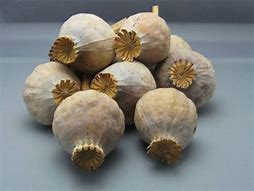
Poppy pod tea uses the dried seed pods from the opium poppy plant. After the flower petals fall away, the plant produces a capsule that contains the seeds. The outer shell of this capsule contains naturally occurring alkaloids, including morphine, codeine, and thebaine.
When people crush or steep dried pods in water, these compounds may dissolve into the liquid. Since the pod tissue itself contains higher concentrations of alkaloids than the seeds, poppy pod tea generally contains stronger and more direct plant compounds.
This difference is one of the main reasons health experts treat poppy pod products with greater caution.
Key Differences Between Seeds and Pods
The comparison of poppy seed tea vs poppy pod tea often focuses on several important distinctions:
1. Plant Material
Poppy seed tea uses seeds harvested from the plant, while poppy pod tea uses the dried capsule that surrounds the seeds.
2. Alkaloid Content
Seeds typically contain only trace surface residues of alkaloids, whereas pods naturally contain higher concentrations of morphine and related compounds.
3. Predictability
Both preparations can vary in potency, but poppy pods often contain much more variable and potentially stronger alkaloid levels.
4. Legal Considerations
In many countries, culinary poppy seeds are widely legal because they are used in food products. Poppy pods may receive closer scrutiny because they contain the active plant compounds associated with opioid drugs.
Health and Safety Concerns
Health authorities warn about the risks connected with both types of preparations. The primary concern involves unpredictable opioid exposure. Since neither preparation follows regulated production methods, individuals cannot reliably measure how much morphine or codeine may be present.
Organizations such as the U.S. Food and Drug Administration and the Centers for Disease Control and Prevention have issued alerts about products derived from poppy seeds or pods that are marketed for tea preparation.
Unexpectedly high concentrations of alkaloids have been linked to cases of opioid poisoning and accidental overdose.
Legal Context
Drug laws often regulate the opioid compounds derived from Papaver somniferum. In the United States, substances such as morphine and codeine fall under the Controlled Substances Act. The United Kingdom regulates similar substances through the Misuse of Drugs Act 1971.
While poppy seeds typically remain legal as food ingredients, the extraction or concentration of opioid alkaloids from plant material may fall under controlled substance regulations.
Conclusion
The comparison of poppy seed tea vs poppy pod tea highlights how different parts of the same plant can lead to very different outcomes. Seeds usually contain minimal alkaloids and serve primarily as food ingredients, while pods naturally contain stronger opioid compounds. Because of these differences, both legal and health considerations play a major role in discussions surrounding these plant-based preparations.
