
- Your cart is empty
- Continue shopping
-
sales@primiumpoppypods.com
- Posted on
- Categories:Uncategorized
- 0 comments
Poppy Pod Tea Online: What Buyers and Researchers Should Know
Interest in poppy pod tea online has grown in recent years as more people search the internet for information about herbal substances, plant products, and alternative preparations. Poppy pod tea comes from the dried seed pods of the opium poppy, scientifically known as Papaver somniferum. While poppy seeds commonly appear in baked goods and food products, the seed pods contain natural alkaloids that raise both legal and health concerns. As a result, discussions about poppy pod tea online often focus on legality, safety, and the risks associated with purchasing these products on the internet.
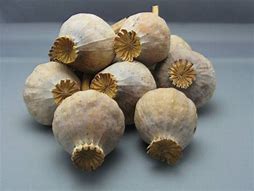
What Is Poppy Pod Tea?
Poppy pod tea is a liquid preparation made by steeping crushed or ground poppy pods in water. The process extracts natural compounds from the plant material. These compounds include morphine, codeine, and thebaine, which belong to the opioid family of chemicals.
Because these alkaloids occur naturally in the plant, the resulting tea may produce sedative or pain-relieving effects. However, the concentration of these substances can vary widely depending on factors such as plant variety, growing conditions, and preparation method. Unlike pharmaceutical products, homemade plant extracts do not follow standardized dosing or safety controls.
Why Poppy Pods Appear Online
Online marketplaces and specialty websites sometimes list dried poppy pods for sale. Sellers usually describe them as decorative dried flowers, craft materials, or botanical specimens. Florists and hobbyists often use dried poppy pods in floral arrangements, wreaths, or home décor projects.
This legitimate decorative use explains why poppy pods occasionally appear in online stores. However, authorities in several countries monitor these sales because some buyers seek the pods specifically for making poppy pod tea.
Legal Considerations
The legal status of poppy pods and poppy pod tea varies significantly from one country to another. Many governments allow the cultivation of the opium poppy for ornamental purposes or for producing culinary poppy seeds. At the same time, drug laws often restrict the extraction or preparation of opioid substances from the plant.
In the United States, morphine and codeine fall under regulation through the Controlled Substances Act. While food-grade poppy seeds remain legal, authorities may investigate the sale or possession of poppy pods if evidence suggests they are intended for narcotic extraction.
The United Kingdom regulates opium-related substances under the Misuse of Drugs Act 1971. Although the opium poppy may grow legally in gardens, producing extracts that contain morphine can violate drug laws.
Because of these regulations, people who search for poppy pod tea online should understand that laws often focus on how individuals use the plant material rather than the plant itself.
Health and Safety Concerns
Public health organizations continue to warn about the risks associated with poppy pod tea. The biggest concern involves unpredictable potency. One batch of pods may contain significantly higher levels of morphine than another.
Agencies such as the U.S. Food and Drug Administration and the Centers for Disease Control and Prevention have issued safety alerts about poppy products marketed for tea preparation. Reports of opioid poisoning and accidental overdose have occurred in cases where people consumed tea made from highly concentrated pods.
Unlike prescription medications, homemade plant extracts do not provide reliable dosage information. This lack of consistency increases the risk of dangerous outcomes.
Final Thoughts
The growing interest in poppy pod tea online highlights the complex relationship between traditional plant use, internet marketplaces, and modern drug regulations. Although dried poppy pods may appear in online shops for decorative purposes, their connection to opioid alkaloids raises serious legal and health considerations. Anyone researching or encountering these products should review local laws carefully and understand the potential safety risks linked to unregulated plant extracts.
