
- Your cart is empty
- Continue shopping
-
sales@primiumpoppypods.com
- Posted on
- Categories:Uncategorized
- 0 comments
Poppy Pod Tea Legal Status: What You Need to Know
Many people search online to understand whether poppy pod tea legal status allows its preparation or use. Poppy pod tea comes from the dried seed pods of the opium poppy plant, scientifically known as Papaver somniferum. While grocery stores sell poppy seeds legally for baking, the pods themselves contain natural opioid compounds. Because of this chemical content, many governments regulate poppy pods more strictly than poppy seeds.
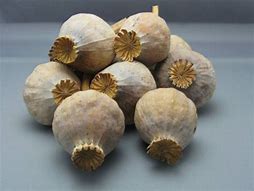
What Is Poppy Pod Tea?
People make poppy pod tea by crushing or grinding dried poppy pods and soaking them in water. This process releases naturally occurring alkaloids from the plant material. The main compounds include morphine, codeine, and thebaine, which belong to the same chemical family as prescription opioids.
These compounds can produce pain-relieving and sedative effects. However, the strength of poppy pod tea can vary widely. The plant variety, growing conditions, and preparation method all influence the amount of opioid alkaloids in the tea. Because home preparation lacks standard measurements, users cannot accurately determine the dosage they consume.
Legal Status of Poppy Pods
Drug laws in different countries determine whether poppy pod tea is legal. Many countries allow people to grow opium poppies as ornamental flowers or for culinary seeds. However, laws often prohibit extracting narcotic compounds from the plant.
In the United States, federal law regulates morphine and codeine under the Controlled Substances Act. The law permits the sale of food-grade poppy seeds but restricts substances that contain significant opioid alkaloids. Authorities may treat the preparation of poppy pod tea as the production of a controlled substance if the intent involves extracting morphine.
The United Kingdom follows a similar legal approach. The Misuse of Drugs Act 1971 regulates drugs derived from the opium poppy. Although people can grow the plant in gardens, extracting opium or morphine from its pods violates drug control laws.
Other countries also separate agricultural use from drug extraction. This distinction often creates confusion for people who assume that legal cultivation automatically allows other uses of the plant.
Health and Safety Concerns
Health agencies warn about serious risks associated with poppy pod tea. The biggest problem involves unpredictable potency. One batch of pods may contain far more morphine than another.
Organizations such as the U.S. Food and Drug Administration and the Centers for Disease Control and Prevention have issued warnings about poppy products marketed online for tea preparation. Some reports link poppy pod tea consumption to opioid poisoning and fatal overdoses.
Prescription opioid medications contain carefully measured doses and undergo strict regulation. Homemade poppy tea lacks these safeguards, which increases the risk of accidental overdose.
Online Sales and Legal Gray Areas
Online marketplaces have expanded access to dried poppy pods. Sellers often advertise them as decorative items, dried flowers, or craft supplies. In some cases, this description allows vendors to sell the product legally.
However, law enforcement agencies may investigate sellers if evidence suggests they market the pods for opioid extraction. Courts often evaluate intent, marketing language, and product quantities when determining legality.
Conclusion
The question of poppy pod tea legal status depends on both national drug laws and how people use the plant material. Many countries allow the cultivation of opium poppies for decorative or seed purposes, but they restrict the extraction of opioid compounds from the plant. In addition to legal risks, poppy pod tea carries significant health dangers due to unpredictable opioid concentrations. Anyone researching this topic should carefully review local laws and understand the safety risks involved.
