
- Your cart is empty
- Continue shopping
-
sales@primiumpoppypods.com
- Posted on
- Categories:Uncategorized
- 0 comments
Poppy Pod Tea: Why People Search “How to Make It” and What to Know
Many people search online for “poppy pod tea how to make” out of curiosity about traditional herbal practices or the historical uses of the opium poppy. Poppy pod tea refers to an infusion associated with the seed pods of the opium poppy plant, scientifically known as Papaver somniferum. While poppy seeds are widely used in food products, the pods of this plant contain naturally occurring opioid alkaloids such as Morphine and Codeine. These compounds are powerful substances that affect the central nervous system, which is why they are tightly controlled in medical and legal contexts.
Because of the presence of these opioid compounds, providing instructions for preparing poppy pod tea is unsafe and often illegal in many regions. Instead, it is more helpful to understand the background, chemistry, and risks associated with this topic.
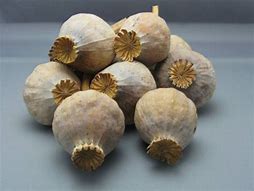
The Plant Behind Poppy Pod Tea
The opium poppy has a long and complex history. Cultures in parts of Europe, Asia, and the Middle East have cultivated Papaver somniferum for thousands of years. Historically, different parts of the plant served medicinal, culinary, and ornamental purposes. Physicians eventually isolated compounds such as morphine and codeine from the plant, which led to the development of modern opioid medications used to treat severe pain.
In medical settings, pharmaceutical companies carefully extract and purify these compounds under strict quality controls. Doctors prescribe them in precise doses to manage pain or cough symptoms. Outside regulated environments, however, the concentration of these alkaloids in plant material can vary dramatically.
Why People Ask About Making Poppy Pod Tea
Interest in “how to make poppy pod tea” often comes from several motivations:
- Curiosity about traditional herbal remedies
- Interest in natural pain‑relief approaches
- Online discussions and anecdotal reports
- Historical references to poppy-based preparations
However, modern health authorities generally discourage the use of unregulated plant preparations that contain opioid compounds. Unlike standardized medications, plant material from poppy pods does not have a predictable concentration of active chemicals.
Safety and Health Risks
One of the most serious concerns associated with poppy pod tea is unpredictable potency. The levels of morphine, codeine, and other alkaloids in poppy pods depend on many factors, including plant variety, growing conditions, and harvest timing. Because of this variability, people cannot accurately estimate the strength of any preparation derived from the pods.
Exposure to opioid compounds can lead to several adverse effects, including:
- Extreme drowsiness or sedation
- Nausea and vomiting
- Severe constipation
- Slowed breathing (respiratory depression)
- Risk of dependence or addiction
Combining opioid substances with alcohol or other sedatives significantly increases the risk of dangerous side effects.
Legal Considerations
The legal status of poppy pods differs widely around the world. In many countries, the cultivation or possession of Papaver somniferum for purposes related to opioid extraction is restricted or prohibited. While poppy seeds used in food products are usually legal, the pods themselves may fall under controlled‑substance regulations.
Because of these legal and health concerns, authorities and medical professionals advise against preparing or consuming poppy pod tea.
Conclusion
Searches for “poppy pod tea how to make” often reflect curiosity about the opium poppy’s long history and its connection to natural opioid compounds. However, the presence of powerful alkaloids like morphine and codeine means that unregulated preparations can pose serious health and legal risks. For anyone seeking relief from pain, stress, or sleep problems, consulting healthcare professionals and using regulated treatments is a far safer and more reliable option.
