
- Your cart is empty
- Continue shopping
-
sales@primiumpoppypods.com
- Posted on
- Categories:Uncategorized
- 0 comments
Making Poppy Pod Tea: History, Chemistry, and Safety Considerations 🌿
Interest in making poppy pod tea has grown online as people explore herbal traditions and plant-based remedies. The topic often appears in discussions about natural medicine and the long history of the opium poppy. However, modern health experts warn that preparations made from poppy pods can pose serious health risks because of the powerful compounds naturally present in the plant.
Understanding the background of poppy pod tea requires looking at the botany of the poppy plant, the chemistry of its natural substances, and the historical role it has played in medicine.
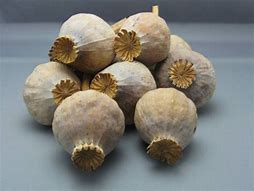
The Opium Poppy Plant
Poppy pods come from the opium poppy, scientifically known as Papaver somniferum. This plant has been cultivated for thousands of years across regions of Europe, Asia, and the Middle East. It is known for its delicate flowers and distinctive seed capsules, which later develop into pods.
The seeds of the poppy plant are widely used in cooking and baking. They appear in breads, pastries, and desserts around the world. These seeds contain only trace amounts of the plant’s active compounds, which is why they are considered safe for culinary use.
The pods, however, are different. They contain a milky latex that holds several biologically active chemicals known as alkaloids.
Natural Alkaloids in Poppy Pods
Alkaloids are naturally occurring compounds that can affect the human nervous system. In the opium poppy, the most well-known alkaloids include morphine, codeine, and thebaine.
Among these compounds, Morphine is especially important in modern medicine. Morphine is widely used in hospitals to treat severe pain, particularly after surgery, major injuries, or during palliative care.
Although these substances have legitimate medical uses, their presence in raw plant material makes poppy pods unpredictable and potentially dangerous. The concentration of alkaloids can vary widely depending on plant genetics, growing conditions, and harvesting methods.
Historical Role in Medicine
The opium poppy has played an important role in human history. Archaeological evidence shows that ancient civilizations cultivated the plant thousands of years ago. Early herbal traditions sometimes used poppy-based remedies for sleep support and pain relief.
A major scientific breakthrough occurred in the early nineteenth century. In 1804, German pharmacist Friedrich Sertürner successfully isolated morphine from opium.
This discovery was a turning point in medical science. It demonstrated that plants contain specific chemical compounds responsible for their medicinal effects. Sertürner’s work helped establish the field of alkaloid chemistry and paved the way for modern pharmaceuticals.
Safety and Health Concerns ⚠️
Today, health authorities strongly caution against consuming preparations made from poppy pods. The primary concern is unpredictability. The amount of alkaloids present in the pods can vary dramatically from plant to plant.
Factors such as climate, soil conditions, plant variety, and harvesting practices all influence chemical composition. Because of this variability, it is difficult to determine the strength of any informal preparation.
High amounts of opioid alkaloids can affect breathing, heart rate, and the central nervous system. In severe cases, these effects may become life-threatening.
Many countries also regulate the sale or possession of poppy pods intended for consumption due to these risks.
Modern Medical Perspective
Despite the risks associated with raw plant material, compounds derived from the opium poppy remain essential in modern healthcare. Pharmaceutical companies produce these medications in carefully controlled environments.
Scientists isolate and purify specific compounds, then manufacture them into standardized doses. Doctors prescribe these medications under medical supervision to ensure safe and effective treatment.
Conclusion 🌱
Making poppy pod tea is often discussed in the context of herbal traditions and historical medicine. The opium poppy has played a major role in the development of pain treatment and pharmaceutical chemistry.
However, the unpredictable levels of opioid alkaloids in poppy pods make informal preparations risky. For this reason, modern healthcare systems rely on regulated medications rather than plant-based infusions to ensure safety and reliability.
