
- Your cart is empty
- Continue shopping
-
sales@primiumpoppypods.com
- Posted on
- Categories:Uncategorized
- 0 comments
Papaver Somniferum Seed Pods: Structure, History, and Botanical Importance
Papaver somniferum seed pods are the mature capsules produced by the opium poppy plant, scientifically known as Papaver somniferum. After the poppy flower completes its blooming cycle and its delicate petals fall, the plant forms a rounded capsule at the top of the stem. This capsule, often called the seed pod, contains hundreds of tiny seeds and serves as a key part of the plant’s reproductive system. Because of their distinctive structure and long agricultural history, these seed pods have attracted the attention of botanists, horticulturists, and plant historians around the world.
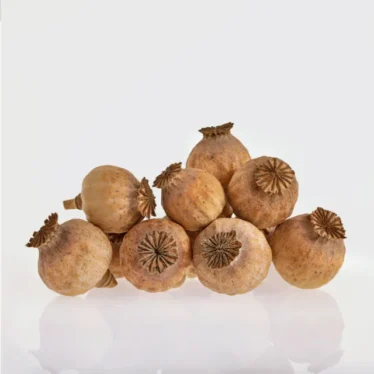
Botanical Structure of Papaver Somniferum Seed Pods
The plant Papaver somniferum belongs to the poppy family (Papaveraceae), a group of flowering plants known for their vibrant blossoms and unique seed capsules. During the plant’s growth cycle, a flower bud develops and eventually opens into a large, colorful bloom that may appear in shades of white, pink, purple, or red.
After pollination occurs, the petals drop and the ovary of the flower begins to enlarge. This process forms the seed pod, a spherical or slightly oval capsule that protects the developing seeds. At the top of the capsule sits a flat, star-shaped structure known as the stigma disc, which helps identify the plant and plays a role in its reproductive process.
As the capsule matures, the outer wall becomes thicker and more rigid. Small openings form beneath the stigma disc, allowing seeds to disperse naturally when wind or movement shakes the dried pod. This simple but effective mechanism helps the plant spread seeds across surrounding soil.
Most Papaver somniferum seed pods measure between 2 and 6 centimeters in diameter, although size can vary depending on growing conditions and plant variety.
Historical Cultivation
Humans have cultivated Papaver somniferum for thousands of years. Archaeological evidence shows that ancient Mediterranean civilizations grew poppies as early as 3000 BCE. Farmers valued the plant for several reasons, including its seeds, oil, and historical medicinal applications.
Ancient Greek and Egyptian texts describe the use of poppy plants in early herbal traditions. Over time, trade routes helped spread poppy cultivation across Europe, Asia, and parts of the Middle East. As agriculture expanded, poppy plants became a recognized crop in many farming regions.
Despite its agricultural importance, the plant also developed strong symbolic meanings across cultures.
Cultural and Symbolic Significance
Throughout history, artists and writers have used poppies as symbols of sleep, peace, and dreams. Ancient myths often associated poppy flowers with rest and the night.
In the twentieth century, poppies gained additional cultural significance as symbols of remembrance. After World War I, bright red poppies grew across battlefields in Europe, inspiring traditions that honor soldiers who lost their lives in war.
Today, the poppy remains a powerful cultural symbol that appears in literature, memorial ceremonies, and visual art.
Botanical and Educational Interest
Papaver somniferum seed pods offer valuable insights into plant biology. Their structure clearly demonstrates how flowering plants protect and distribute seeds. Botanists and educators often use these capsules to explain plant reproduction, seed formation, and dispersal mechanisms.
Because the pods maintain their shape after drying, they also appear in botanical collections and preserved plant displays used for study and teaching.
Legal Awareness
Regulations surrounding Papaver somniferum vary widely between countries. Some governments regulate the cultivation or distribution of the plant because it can produce substances used in pharmaceutical opioids. Anyone interested in growing or obtaining poppy plants or seed pods should review local laws and agricultural regulations.
Conclusion
Papaver somniferum seed pods represent an important stage in the life cycle of one of the world’s most historically significant plants. Their unique structure supports seed development and dispersal, while their long association with agriculture, medicine, and culture continues to generate global interest. By studying these seed pods, researchers and plant enthusiasts gain a deeper understanding of both plant biology and the historical role of poppies in human society.
