
- Your cart is empty
- Continue shopping
-
sales@primiumpoppypods.com
- Posted on
- Categories:Uncategorized
- 0 comments
Wholesale Dried Poppy Pods: Sourcing, Uses, and Tips for Buyers
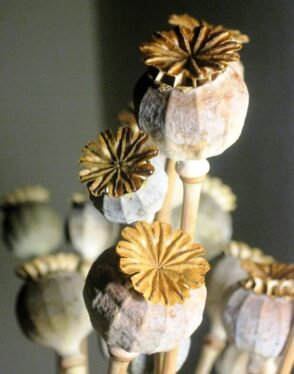
Wholesale dried poppy pods are a popular choice for florists, event planners, and craft suppliers who need large quantities of these sculptural seed capsules. Known for their unique texture, natural elegance, and long-lasting durability, dried poppy pods add a rustic or minimalist touch to floral arrangements, wreaths, and home décor. Understanding where and how to source them safely, as well as how to use them creatively, ensures buyers make the most of this versatile botanical product.
Botanical Classification and Species
Several species within the Papaver genus produce white blooms. Among the most recognized are:
- Papaver somniferum
- Papaver orientale
- Papaver rhoeas
Papaver somniferum often features large, cup-shaped white flowers with contrasting dark or pale centers. Many ornamental cultivars display pure white petals that create a dramatic focal point in garden beds. Papaver orientale, a hardy perennial, also includes white varieties with crinkled, tissue-like petals and prominent central markings. Papaver rhoeas, typically known for red flowers, has selective white cultivars bred for decorative appeal.
Distinctive Characteristics
White papaver poppies share several defining traits:
- Petals: Thin, silky, and slightly crinkled in texture
- Centers: Often highlighted by contrasting stamens in dark purple, black, or pale green
- Height: Ranges from 12 inches to over 3 feet depending on species
- Bloom Time: Late spring to early summer
The white coloration enhances their visual brightness, especially when planted against darker foliage or alongside richly colored companion plants. Their delicate appearance contrasts with sturdy stems that hold flowers upright even in light wind.
Growing Conditions and Care
White papaver poppies thrive in full sun and well-drained soil. Most species tolerate moderate drought once established and perform best in temperate climates with cool growing seasons.
For successful cultivation:
- Sow seeds directly outdoors, as many poppies dislike transplanting
- Avoid overly rich soil, which may encourage excessive foliage
- Ensure good drainage to prevent root rot
- Allow some seed heads to mature for natural reseeding
Annual varieties, such as Papaver somniferum and Papaver rhoeas, often self-sow if gardeners leave seed pods in place. Perennial species like Papaver orientale die back after flowering but return from their root systems the following season.
Landscape and Design Uses
White poppies bring versatility to garden design. Their neutral color pairs well with pastel borders, cottage gardens, and minimalist landscapes. Designers often use them to create contrast among vibrant perennials or to brighten shaded corners that receive partial sun.
In addition to their blooms, the seed pods that follow flowering provide architectural interest. Many gardeners leave the pods intact to extend seasonal texture or incorporate them into dried floral arrangements.
Symbolism and Cultural Meaning
White poppies carry symbolic associations with peace, remembrance, and purity. While red poppies commonly represent wartime remembrance in many countries, white varieties often symbolize reflection and nonviolence. Their understated elegance has made them meaningful in both personal gardens and ceremonial plantings.
Conclusion
The white papaver poppy combines botanical resilience with refined beauty. Whether grown as an annual accent or a perennial garden feature, it offers luminous blooms, manageable care requirements, and versatile design potential. By selecting the right species and providing proper growing conditions, gardeners can enjoy the timeless elegance that white poppies bring to landscapes year after year.
