
- Your cart is empty
- Continue shopping
-
sales@primiumpoppypods.com
- Posted on
- Categories:Uncategorized
- 0 comments
Poppy Seed Pods: Structure, Cultivation, and Poppy Seed Pods: Structure, Cultivation, and Practical Uses
Poppy seed pods develop after a poppy flower finishes blooming and drops its petals. These capsules protect and distribute hundreds — sometimes thousands — of tiny seeds. Species within the genus Papaver produce these distinctive pods, which gardeners, farmers, and designers value for both practical and decorative purposes. Understanding how poppy seed pods grow and function helps gardeners cultivate them successfully and use them responsibly.
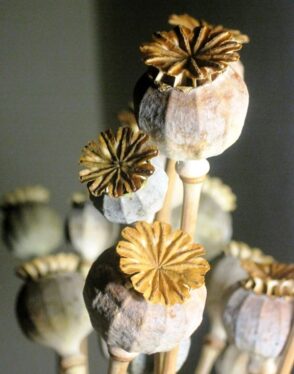
Botanical Structure of Poppy Seed Pods
After pollination occurs, the flower’s ovary begins to swell and transform into a rounded capsule. Gardeners refer to this capsule as the poppy seed pod. A flat, star-shaped disk called the stigma sits on top of the pod. As the capsule matures and dries, small pores open just beneath the stigma. When wind shakes the stem, the plant releases seeds through these openings and spreads them naturally.
Different species produce distinct pod shapes and textures. For example:
- Papaver rhoeas forms small, smooth capsules.
- Papaver orientale grows larger, bristled pods on tall stems.
- Papaver somniferum produces smooth, globe-shaped pods that many growers recognize instantly.
Each species contributes unique visual and agricultural qualities.
Seed Production and Culinary Importance
Farmers harvest mature poppy seed pods once they dry completely on the stem. They then open the capsules to collect the seeds inside. Bakers and chefs prize these seeds for their mild, nutty flavor and delicate crunch.
Cooks add poppy seeds to breads, pastries, cakes, and savory dishes across Europe, the Middle East, and parts of Asia. Producers also press the seeds to extract poppy seed oil, which offers a light texture and subtle taste suitable for specialty culinary uses.
Although certain plant tissues contain naturally occurring compounds, commercial processors clean and handle seeds carefully before selling them for food. This process ensures quality, safety, and compliance with food regulations.
Ornamental and Decorative Value
Designers frequently use dried poppy seed pods in floral arrangements because the pods hold their shape long after the growing season ends. Their sculptural form and muted tones add texture and depth to:
- Dried bouquets
- Seasonal wreaths
- Rustic centerpieces
- Minimalist interior décor
Gardeners also leave pods standing in flower beds after the blooms fade. The upright stems and architectural shapes provide structure and visual interest well into late summer.
Cultivation and Growing Conditions
Gardeners grow poppies from seed rather than from bulbs or cuttings. Most varieties thrive in full sunlight and well-drained soil. Cool temperatures encourage strong germination, so many growers sow seeds directly outdoors in early spring or fall.
Because many poppies develop sensitive taproots, gardeners usually avoid transplanting them. Direct sowing allows the roots to establish quickly and reduces plant stress. Once established, poppies require minimal maintenance and often reseed themselves naturally.
Legal and Regulatory Considerations
Laws governing poppy cultivation vary by country and by species. Many regions allow ornamental growing and culinary seed production. However, authorities regulate certain varieties more strictly due to the presence of specific plant compounds. Gardeners should always review local agricultural regulations before planting on a large scale or selling plant materials.
Conclusion
Poppy seed pods play a central role in the poppy plant’s lifecycle. They protect seeds, support natural propagation, and provide culinary and decorative value. When gardeners understand their structure, growth habits, and legal context, they can cultivate poppies confidently and enjoy both their beauty and usefulness.
