
- Your cart is empty
- Continue shopping
-
sales@primiumpoppypods.com
- Posted on
- Categories:Uncategorized
- 0 comments
Poppy Heads: Botanical Structure, Uses, and Cultural Significance
Poppy heads are the distinctive seed capsules that form after the delicate petals of a poppy flower fall away. Scientifically known as capsules, these rounded structures develop at the top of the stem and serve as the plant’s seed-bearing organ. Found across species within the genus Papaver, poppy heads are both botanically important and widely appreciated for ornamental, agricultural, and historical reasons.
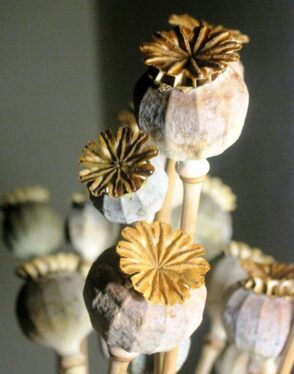
Botanical Structure of Poppy Heads
After pollination, the ovary of the poppy flower swells into a globe- or oval-shaped capsule. At the top sits a flat, disk-like structure called the stigma, often marked with radiating ridges. As the capsule matures, it dries and forms small pores just beneath the stigma. Through these openings, tiny seeds are naturally dispersed when wind shakes the stem — a clever evolutionary adaptation.
The size, shape, and texture of poppy heads vary depending on species. For example:
- Papaver rhoeas produces relatively small, smooth capsules.
- Papaver orientale forms larger, bristly seed heads on sturdy stems.
- Papaver somniferum develops smooth, rounded pods that are especially prominent and architecturally striking.
These structural differences make certain poppy heads more desirable for decorative or agricultural purposes.
Agricultural and Culinary Importance
In culinary contexts, poppy heads are valued primarily for the seeds contained within them. Once dried, the capsules of selected varieties are harvested and processed to extract poppy seeds used in baking, cooking, and oil production. The seeds have a mild, nutty flavor and are common in breads, pastries, and traditional dishes across Europe and Asia.
It is important to distinguish between the seeds and the capsule walls. The seeds themselves contain negligible levels of naturally occurring alkaloids, while the capsule tissue in certain species contains compounds that are tightly regulated in many countries.
Ornamental and Decorative Uses
Beyond agriculture, poppy heads are highly sought after in floral design. Their sculptural form, muted earthy tones, and long-lasting structure make them popular in dried flower arrangements, wreaths, and seasonal décor. Designers often use natural or bleached poppy heads to add texture and visual interest to minimalist or rustic displays.
Gardeners also leave seed heads intact after blooming to extend visual appeal in the landscape. Even after petals drop, the upright capsules provide structural contrast in garden beds.
Historical and Cultural Significance
Poppies have deep symbolic meaning across cultures. While the red flower is widely associated with remembrance, the seed head itself symbolizes fertility, sleep, and renewal due to its abundant seeds and historical associations with rest and dreaming.
In ancient Mediterranean civilizations, poppy imagery appeared in art, pottery, and mythology. The seed capsule’s distinctive crown-like top made it a recognizable symbol in both decorative and spiritual contexts.
Legal and Safety Considerations
The legal status of poppy heads varies depending on species and jurisdiction. In many regions, dried ornamental poppy heads are sold for decorative use. However, in some countries, capsules from certain species are regulated due to their chemical composition. Regulations typically focus on cultivation, harvesting, or processing rather than simple ornamental display.
Gardeners and buyers should always consult local laws to ensure compliance, particularly when purchasing in bulk or sourcing internationally.
Conclusion
Poppy heads are more than just the remnants of a flower — they are complex botanical structures essential to seed production, agriculture, and ornamental design. Whether appreciated for their sculptural beauty, culinary contribution, or cultural symbolism, these seed capsules remain one of the most recognizable and multifunctional features of the poppy plant.
