
- Your cart is empty
- Continue shopping
-
sales@primiumpoppypods.com
- Posted on
- Categories:Uncategorized
- 0 comments
Poppy Bulbs: Understanding the Myth and How Poppies Really Grow
The term “poppy bulbs” is commonly searched online, but it reflects a common gardening misconception. Poppies do not grow from bulbs. Unlike tulips, daffodils, or onions, poppies are not bulb-forming plants. Instead, they grow from seeds and, depending on the species, may behave as annuals, biennials, or perennials. Understanding this distinction is essential for successful cultivation and proper plant care.
Do Poppies Grow From Bulbs?
No — poppies grow from seeds, not bulbs.
A bulb is a specialized underground storage organ composed of layered plant tissue that allows certain plants to survive dormant periods and regrow each season. Classic bulb plants include tulips, lilies, and hyacinths. Poppies, by contrast, develop a taproot system (in many species) or fibrous roots, but they do not produce underground storage bulbs.
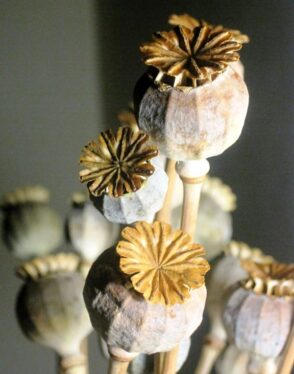
The confusion may stem from the rounded shape of poppy seed pods, which can resemble small bulbs after drying. However, these pods are seed capsules formed above ground after flowering — not underground growth structures.
How Poppies Actually Grow
Poppies are typically grown from tiny, dust-like seeds that are directly sown into the soil. Most species prefer cool weather for germination and bloom in late spring to early summer.
There are three main growth types:
1. Annual Poppies
Annual varieties complete their life cycle in one growing season. They germinate, flower, produce seed, and die within months. These poppies often self-sow, meaning they drop seeds that germinate the following year without additional planting.
2. Biennial Poppies
Biennial types form foliage in the first year and bloom in the second before completing their life cycle.
3. Perennial Poppies
Perennial poppies return year after year from their root systems. Although they die back to ground level after flowering, they regenerate from their established roots — not from bulbs.
Why the Bulb Misconception Matters
Believing that poppies grow from bulbs can lead to improper planting techniques. Bulbs are usually planted several inches deep, but poppy seeds require light for germination. If buried too deeply, they may fail to sprout.
For best results:
- Scatter seeds on the soil surface
- Lightly press them into the soil without heavy covering
- Keep soil moist but not waterlogged
- Avoid transplanting when possible, as many poppies dislike root disturbance
Because of their delicate root systems, especially those with taproots, direct sowing is typically more successful than starting seeds indoors.
Growing Conditions for Healthy Poppies
Poppies thrive in:
- Full sun
- Well-drained soil
- Moderate temperatures
- Areas with good air circulation
They are generally drought-tolerant once established and do not require overly rich soil. In fact, excessively fertile soil can lead to more foliage and fewer flowers.
After blooming, poppies produce decorative seed pods that dry naturally on the plant. Gardeners often leave these pods in place to encourage reseeding or harvest them for dried floral arrangements.
Common Poppy Types in Gardens
Popular ornamental poppies include annual field poppies, large-flowered oriental poppies, and breadseed poppies grown for their decorative seed heads and culinary seeds. Each type is grown from seed, reinforcing that bulbs play no role in their life cycle.
Conclusion
“Poppy bulbs” is a widespread but inaccurate term. Poppies are seed-grown plants that rely on their root systems — not bulbs — for development and seasonal return. Understanding their true growth habit helps gardeners plant them correctly, improve germination rates, and enjoy vibrant blooms year after year. By sowing seeds properly and providing the right conditions, anyone can successfully cultivate these striking and iconic flowers.
