
- Your cart is empty
- Continue shopping
-
sales@primiumpoppypods.com
- Posted on
- Categories:Uncategorized
- 0 comments
Pink Papaver Poppy: Beauty, Botany, and Botanical Significance
The pink papaver poppy is one of the most visually striking ornamental flowers in modern gardens. Belonging to the genus Papaver, these blooms are admired for their delicate, tissue-like petals and vibrant shades that range from soft blush to deep rose. While poppies are often associated with symbolism and remembrance, pink varieties stand out for their ornamental charm and horticultural appeal.
Botanical Classification and Species
Several species within the Papaver genus produce pink flowers, but two are especially popular:
- Papaver somniferum
- Papaver rhoeas
Papaver somniferum, commonly called the opium poppy, is known for its large blooms and distinctive seed pods. Many ornamental cultivars produce soft pink to mauve flowers with darker centers. Papaver rhoeas, often referred to as the common or corn poppy, typically features red flowers but also includes pink cultivars bred for decorative use.
Another noteworthy species is Papaver orientale, a perennial poppy prized for its bold, oversized blossoms. Pink oriental poppies are particularly valued in cottage gardens and perennial borders.
Physical Characteristics
Pink papaver poppies share several defining traits:
- Petals: Thin, crepe-paper-like texture with a silky sheen
- Center: Often dark purple or black stamens creating dramatic contrast
- Height: Typically 1–4 feet, depending on species
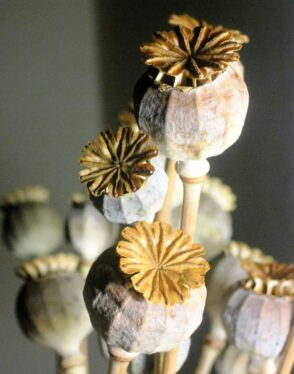
- Seed Pods: Rounded capsules that develop after petals drop
The flowers usually bloom in late spring to early summer. Their delicate appearance contrasts with surprisingly hardy growth habits in many climates.
Growing Conditions and Care
Pink papaver poppies thrive in full sun and well-drained soil. Most species prefer temperate climates and can tolerate mild drought once established. Annual varieties, such as Papaver rhoeas and Papaver somniferum, are typically grown from seed and may self-sow readily. Perennial types like Papaver orientale return year after year but may go dormant after blooming.
Key cultivation tips include:
- Sow seeds directly outdoors, as poppies dislike transplanting
- Avoid overly rich soil, which can reduce flowering
- Provide good drainage to prevent root rot
- Deadhead spent flowers to prolong bloom time (for ornamentals)
Because poppies produce abundant seeds, gardeners often collect dried pods for decorative arrangements or future planting.
Symbolism and Cultural Meaning
Poppies carry deep symbolic meaning across cultures. While red poppies are widely associated with remembrance, pink poppies often symbolize compassion, gentle love, and imagination. Their soft coloration makes them popular in romantic floral designs and informal garden settings.
In art and literature, poppies have represented sleep, dreams, and fleeting beauty — themes linked to the plant’s delicate petals and short bloom period.
Safety and Legal Considerations
Some pink poppy varieties, particularly those derived from Papaver somniferum, contain naturally occurring alkaloids in their seed pods. However, ornamental cultivation for aesthetic purposes differs significantly from regulated agricultural production for pharmaceutical use. Laws regarding cultivation vary by region, especially concerning harvesting or processing plant material.
Gardeners should check local regulations before growing certain species, particularly if unsure about legal distinctions in their area.
Conclusion
The pink papaver poppy combines ornamental elegance with botanical intrigue. Whether grown as a seasonal annual or a bold perennial centerpiece, its luminous petals and sculptural seed pods make it a standout in gardens worldwide. Beyond its beauty, the plant’s rich history and cultural symbolism add depth to its appeal, ensuring that pink poppies remain a timeless favorite among gardeners and flower enthusiasts alike.
