
- Your cart is empty
- Continue shopping
-
sales@primiumpoppypods.com
- Posted on
- Categories:Uncategorized
- 0 comments
Papaver Poppy Mix — A Guide to Growing Vibrant Garden Blooms
A Papaver poppy mix is a colorful collection of poppy seeds or seedlings that includes multiple varieties and species, offering gardeners a striking display of flowers in different sizes, shapes, and colors. These mixes are popular for borders, flower beds, and naturalized garden areas. They provide an easy way to enjoy the beauty of Papaver poppies without planting each variety separately. Understanding the composition, growing requirements, and care for a Papaver poppy mix ensures healthy plants and abundant blooms.
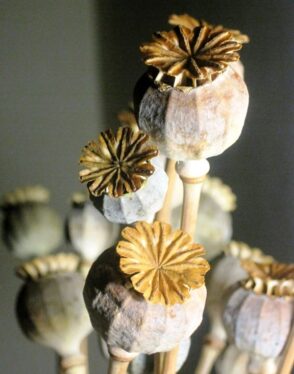
What Is a Papaver Poppy Mix?
A Papaver poppy mix typically combines seeds from multiple species such as Papaver somniferum (opium poppy), Papaver orientale (Oriental poppy), and Papaver rhoeas (corn poppy). The mix may include various colors, including reds, pinks, whites, and purples. Some mixes also contain both annual and perennial varieties, creating a layered bloom effect across the growing season.
These seed blends are designed to produce a natural, meadow-like appearance. Gardeners benefit from a spontaneous distribution of flowers, with varying heights, bloom times, and textures that add visual interest to any outdoor space.
Benefits of Using a Papaver Poppy Mix
Using a Papaver poppy mix offers several advantages:
- Variety: Different species and colors create a vibrant garden display.
- Extended Blooming: A mix of annuals and perennials can extend flowering periods.
- Ease of Planting: Sowing a mix reduces the need to plant multiple varieties individually.
- Pollinator Friendly: Poppies attract bees and other pollinators, supporting garden biodiversity.
How to Grow a Papaver Poppy Mix
Growing a Papaver poppy mix follows similar principles to planting single varieties. Choose a sunny location with well-drained soil, as poppies thrive in full sun and moderate fertility. Lightly scatter seeds directly onto the soil surface in early spring or late autumn. Avoid deep planting; poppy seeds require light to germinate.
Once seeds sprout, thin seedlings to provide adequate space for healthy growth. Depending on the species, spacing should range from 6 to 12 inches apart. Water gently during the seedling stage to maintain soil moisture, but mature plants are relatively drought-tolerant and do not require frequent watering.
Maintenance and Care
A Papaver poppy mix generally requires minimal maintenance. Deadheading spent flowers in annual varieties can encourage prolonged blooming. Perennials should be allowed to die back naturally after flowering to store energy for the next season.
Watch for common pests such as aphids and slugs, which may feed on foliage and flowers. Good airflow and proper spacing reduce the risk of fungal diseases. Fertilize lightly in early spring with a balanced, slow-release fertilizer, avoiding excess nitrogen that encourages leafy growth over flowers.
Landscape and Ornamental Uses
Papaver poppy mixes are ideal for borders, cottage gardens, and naturalized meadow plantings. The combination of colors, shapes, and heights provides a dynamic visual effect. Additionally, the long stems of some species make them perfect for cut flower arrangements. Over time, self-seeding varieties may create an effortless, recurring garden display.
Final Thoughts
A Papaver poppy mix allows gardeners to enjoy a vibrant, diverse garden with minimal effort. By providing the right soil, sunlight, and care, a mix of annual and perennial poppies can create long-lasting blooms that attract pollinators and add beauty to any outdoor space. Choosing the right location and maintaining plants properly ensures a successful, colorful garden display year after year.
