
- Your cart is empty
- Continue shopping
-
sales@primiumpoppypods.com
- Posted on
- Categories:Uncategorized
- 0 comments
Opium Poppy Pods — Botanical Facts, Uses, and Legal Considerations
Opium poppy pods come from Papaver somniferum, a plant with a long history of medicinal, culinary, and ornamental use. The pods are the rounded seed capsules that develop after the plant’s vibrant flowers fade. While many people recognize poppies for their seeds or colorful blooms, the pods themselves are a unique botanical structure with both decorative appeal and complex legal and chemical significance.
Botanical Overview
Papaver somniferum, commonly known as the opium poppy, is an annual plant that thrives in temperate climates. It produces smooth stems, lobed leaves with a bluish-green hue, and large flowers in shades of white, pink, red, or purple. After the petals fall, the plant forms a rounded capsule on each flower stem. These capsules, or pods, are initially green and contain a milky latex inside. The latex is rich in naturally occurring alkaloids such as morphine and codeine, which historically made the plant valuable for medicinal purposes.
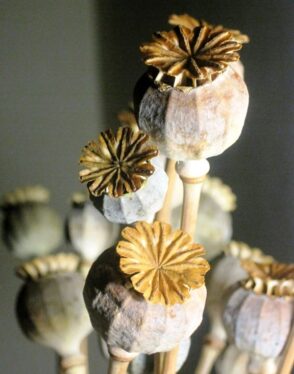
As the pods mature, they dry naturally, hardening into a protective shell that contains thousands of tiny seeds. At this stage, the latex inside has largely dried, and the pod’s chemical composition differs from fresh, unripe pods. Mature dried pods are commonly used in decorative arrangements, crafts, and botanical displays due to their sculptural form and long-lasting nature.
Historical and Medicinal Significance
Opium poppy cultivation dates back thousands of years. Ancient civilizations in the Mediterranean, Middle East, and Asia used the plant for pain relief, sedation, and ceremonial purposes. In the 19th century, opium trade and derivatives influenced global medicine and geopolitics. Today, medical science continues to rely on compounds derived from Papaver somniferum, particularly morphine and codeine, for pain management. Pharmaceutical companies cultivate opium poppies under strict regulations to ensure consistent alkaloid content and patient safety.
Decorative and Practical Uses
Beyond medicinal applications, opium poppy pods have aesthetic and practical appeal. Florists, gardeners, and craft enthusiasts value dried pods for their:
- Natural, rustic appearance
- Unique architectural shape
- Longevity in arrangements and floral displays
- Compatibility with dried bouquets, wreaths, and home décor
Each pod’s size and crown-like top vary, giving arrangements a natural, textured look. Unlike delicate flowers, dried pods maintain structural integrity over time, making them a popular choice for long-lasting decorative projects.
Legal and Safety Considerations
While dried opium poppy pods are visually appealing, they exist within a complex legal framework. In many countries, including the United States, the plant and its straw are regulated under controlled substance laws due to their potential for alkaloid extraction. Possession or distribution of pods for non-decorative purposes can carry serious legal consequences.
Consumers should never attempt to extract alkaloids or ingest plant material. Natural variation in alkaloid levels makes consumption unpredictable and potentially dangerous, causing respiratory depression, overdose, or addiction. Households with children or pets should keep pods out of reach and treat them strictly as ornamental items.
Conclusion
Opium poppy pods combine botanical interest, historical significance, and decorative utility. Their distinctive form and texture make them attractive for floral arrangements, crafts, and collections, but their connection to Papaver somniferum imposes legal and safety considerations. By understanding the plant’s biology, historical context, and regulatory status, enthusiasts can appreciate opium poppy pods responsibly and safely.
