
- Your cart is empty
- Continue shopping
-
sales@primiumpoppypods.com
- Posted on
- Categories:Uncategorized
- 0 comments
Opium Pods — Botanical Origins, Chemistry, and Legal Realities
Opium pods come from Papaver somniferum, a flowering plant cultivated for thousands of years for medicinal, culinary, and ornamental purposes. The term “opium pod” typically refers to the unripe seed capsule of the opium poppy, which contains a milky latex rich in naturally occurring alkaloids. Understanding the botany, chemistry, and legal framework surrounding these pods provides important context for both historical study and modern regulation.
Botanical Background
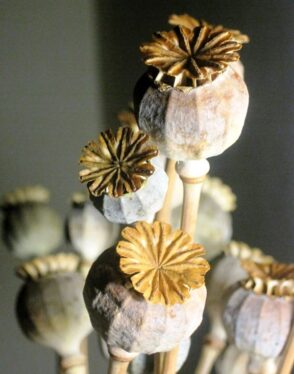
Papaver somniferum is an annual plant that grows in temperate climates. It produces smooth stems, lobed blue-green leaves, and showy flowers in shades of white, pink, red, or purple. After pollination, the petals fall and the plant develops a rounded capsule topped with a flattened disk. This capsule is the pod.
When the pod remains green and immature, it contains latex within specialized cells. Historically, cultivators made shallow incisions in the surface of the pod, allowing the latex to ooze out and dry. This dried latex is raw opium.
Once the pod matures and dries naturally, it becomes a hard seed capsule containing poppy seeds. At this stage, the alkaloid concentration differs from that of freshly scored pods, but chemical residues may still be present.
Chemical Composition
Raw opium contains several alkaloids, the most significant being morphine and codeine. These compounds act on opioid receptors in the human nervous system. Morphine serves as a powerful analgesic in clinical medicine, while codeine appears in some prescription cough suppressants and pain medications.
Pharmaceutical manufacturers isolate and refine these alkaloids under strict regulatory controls. Scientists standardize dosage and purity to ensure patient safety. In contrast, unregulated plant material varies widely in alkaloid content due to differences in genetics, climate, soil conditions, and harvest timing.
Historical Significance
Civilizations across the Mediterranean and Asia used opium preparations for pain relief and sedation as early as ancient times. During the 19th century, global trade in opium expanded dramatically, influencing economic and political events in Europe and Asia.
Over time, medical science advanced, and governments began regulating narcotic substances. Today, international treaties and national drug control laws strictly govern cultivation, processing, and distribution.
Legal Status and Regulation
In many countries, including the United States, opium poppy and poppy straw fall under controlled substance regulations. Authorities permit licensed cultivation for pharmaceutical production under close supervision. Outside of authorized channels, possession or processing of pods for alkaloid extraction can lead to legal consequences.
Regulations vary by jurisdiction, but the legal framework generally focuses on preventing illicit narcotic production. Decorative use of dried pods exists in some markets, yet legal interpretation often depends on intent and context.
Health and Safety Considerations
Opioid alkaloids depress the central nervous system. In medical settings, healthcare professionals carefully monitor dosage to manage pain while minimizing side effects. Outside regulated environments, uncontrolled exposure poses serious risks, including respiratory depression, dependency, and overdose.
Because natural alkaloid levels fluctuate significantly, unprocessed plant material presents unpredictable potency. Public health authorities consistently warn against non-medical experimentation with plant sources of opioids.
Conclusion
Opium pods represent a botanically fascinating but tightly regulated plant structure. Their historical role in medicine and global trade contrasts sharply with modern legal controls designed to protect public health. Anyone researching opium pods should approach the subject with awareness of both scientific facts and current regulations. Knowledge grounded in botany, chemistry, and law provides the most accurate and responsible understanding of this complex plant.
