
- Your cart is empty
- Continue shopping
-
sales@primiumpoppypods.com
- Posted on
- Categories:Uncategorized
- 0 comments
How to Deadhead Papaver Poppy — A Practical Guide for Healthier Blooms
Learning how to deadhead Papaver poppy plants helps gardeners extend flowering, improve plant appearance, and encourage stronger growth. The genus Papaver includes popular ornamental species such as Papaver somniferum (opium poppy), Papaver orientale (Oriental poppy), and Papaver rhoeas (corn poppy). While each variety grows slightly differently, the basic deadheading technique remains the same.
Deadheading simply means removing spent flowers before the plant sets seed. When you understand the plant’s life cycle, the process becomes straightforward and highly beneficial.
Why Deadhead Papaver Poppies?
Poppies naturally focus their energy on producing seeds after blooming. Once pollination occurs, the plant diverts nutrients away from flower production and into seed capsule development. By removing faded blooms early, you redirect energy back into root strength and, in some cases, additional flowering.
Deadheading offers several advantages:
- Encourages prolonged blooming in certain varieties
- Keeps garden beds neat and attractive
- Prevents unwanted self-seeding (especially with Papaver rhoeas)
- Reduces disease risk from decaying petals
For perennial types like Papaver orientale, deadheading improves plant vigor even though it may not always trigger a second bloom.
When to Deadhead
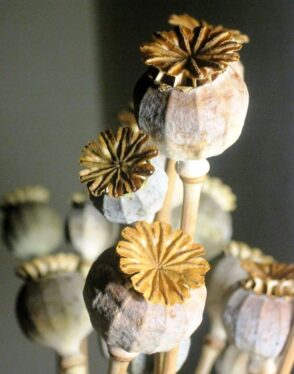
Timing matters. Wait until the petals fall or begin to wilt noticeably. You will see the seed capsule forming directly beneath the flower head. If you want to prevent seed formation, remove the flower stem before the capsule matures.
In annual varieties such as Papaver somniferum, deadheading can extend the blooming period slightly. However, if you want to collect seeds for next season, allow a few pods to mature fully before harvesting.
Step-by-Step: How to Deadhead Papaver Poppy
- Inspect the plant regularly. Check for faded or drooping blooms every few days during peak flowering season.
- Use clean, sharp tools. Pruning shears or garden scissors work best. Clean blades reduce the risk of spreading plant disease.
- Cut below the spent bloom. Follow the flower stem down to the first set of healthy leaves or a main stem junction. Make a clean cut at a slight angle.
- Remove debris. Clear fallen petals from around the base of the plant to discourage fungal growth.
Avoid tearing stems by hand, as poppies have delicate, sometimes brittle growth.
Special Considerations by Variety
Different Papaver species respond differently to deadheading:
- Papaver orientale: These perennials bloom heavily in late spring or early summer. After flowering, the foliage may die back. Cut spent flower stems down to the base, but leave healthy foliage intact until it naturally yellows.
- Papaver somniferum: These annuals may produce side blooms if you remove spent flowers early.
- Papaver rhoeas: Deadheading prevents aggressive self-seeding, which can quickly fill garden beds the following season.
Understanding your specific species ensures proper timing and expectations.
Aftercare and Maintenance
After deadheading, continue consistent watering and light feeding if soil fertility is low. Avoid overwatering, as poppies prefer well-drained soil. Once perennial varieties finish blooming, allow foliage to die back naturally before trimming, as the leaves help store energy for next year’s growth.
Final Thoughts
Deadheading Papaver poppy plants requires minimal effort but delivers noticeable results. By removing spent blooms at the right time and using proper technique, gardeners maintain healthier plants, cleaner beds, and more controlled growth. Whether you grow annual corn poppies or perennial Oriental varieties, regular deadheading supports stronger and more attractive garden displays.
