
- Your cart is empty
- Continue shopping
-
sales@primiumpoppypods.com
- Posted on
- Categories:Uncategorized
- 0 comments
Dried Poppy Pods USA — Legal Status, Uses, and What Buyers Should Know
Interest in dried poppy pods USA searches continues to rise as more consumers look for natural, rustic décor elements. These distinctive seed heads come from Papaver somniferum, commonly known as the opium poppy. While many people associate the plant with culinary poppy seeds or pharmaceutical products, dried pods themselves occupy a legally sensitive space in the United States.
Understanding the regulatory environment, intended uses, and safety concerns is essential before purchasing or possessing dried poppy pods in the U.S.
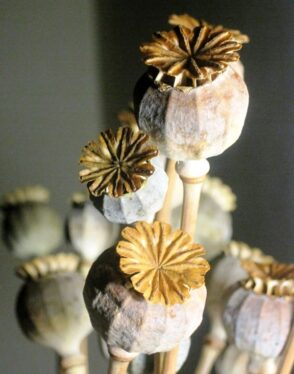
What Are Dried Poppy Pods?
After Papaver somniferum flowers bloom and shed their petals, the plant forms a rounded seed capsule. Growers allow the capsule to mature and dry, creating what is commonly sold as a dried poppy pod. These pods feature a hard outer shell and a crown-shaped disk on top.
Florists and designers value them for their sculptural appearance. Their neutral tones and natural texture make them popular in farmhouse décor, dried floral arrangements, wreaths, and seasonal centerpieces.
However, unlike cleaned culinary poppy seeds, the dried pods may contain trace amounts of naturally occurring alkaloids such as morphine and codeine. This chemical reality drives most of the legal complexity surrounding their sale in the United States.
Federal Law and Regulatory Framework
In the United States, federal law regulates opium poppy material under the Controlled Substances Act. The law classifies “poppy straw,” which includes all parts of the opium poppy except the seeds, as a Schedule II controlled substance when intended for alkaloid extraction.
Licensed pharmaceutical companies may cultivate and process Papaver somniferum under strict federal oversight. However, private possession of dried pods can raise legal concerns, particularly if authorities suspect intent to extract alkaloids.
Some online sellers market dried poppy pods as decorative items and include disclaimers such as “not for consumption.” While decorative intent matters, disclaimers alone do not override federal or state regulations. Enforcement decisions depend on context, intent, and interpretation of the law.
State-level laws may vary slightly, but federal law ultimately governs controlled plant material. Buyers should review both federal guidance and their specific state statutes before making a purchase.
Health and Safety Considerations
Beyond legal concerns, dried poppy pods pose potential health risks if misused. Alkaloid content varies widely depending on growing conditions and harvest timing. This variability makes any attempt at ingestion unpredictable and dangerous.
Health authorities warn that consuming preparations made from poppy pods can cause respiratory depression, overdose, dependency, and even death. Decorative plant material should never enter the food chain.
Households that use dried pods for décor should store them out of reach of children and pets. Treating them strictly as ornamental objects reduces unnecessary risk.
Availability and Market Reality
Despite regulatory complexity, dried poppy pods remain available in parts of the United States through online marketplaces and specialty floral suppliers. Availability may fluctuate due to enforcement priorities, import restrictions, and agricultural supply conditions.
Buyers considering dried poppy pods USA purchases should:
- Confirm legality in their jurisdiction
- Avoid vendors promoting extraction or misuse
- Use pods exclusively for decorative purposes
- Explore alternative dried botanicals if legal uncertainty exists
Final Thoughts
Dried poppy pods offer unique visual appeal and botanical interest, but in the United States they exist within a tightly regulated framework due to their association with Papaver somniferum. Anyone researching dried poppy pods USA topics should prioritize legal awareness, safety, and responsible use before purchasing or displaying them.
