
- Your cart is empty
- Continue shopping
-
sales@primiumpoppypods.com
- Posted on
- Categories:Uncategorized
- 0 comments
Dried Poppy Pods Price — What Determines Cost and Market Value?
Interest in dried poppy pods price trends has increased as decorative botanicals gain popularity in home styling and event design. Dried poppy pods come from Papaver somniferum, a flowering plant known for its distinctive seed capsules. While many buyers seek them for ornamental purposes, pricing varies widely depending on several key factors. Understanding what drives cost helps consumers make informed purchasing decisions.
Average Price Range
The price of dried poppy pods typically depends on quantity, size, and quality. Retail decorative bundles often sell by the stem or in small grouped sets. In general:
- Small pods (1–2 inches) cost less per stem
- Large, premium pods (2–4 inches or more) command higher prices
- Bulk orders reduce the per-unit cost
- Imported pods may cost more due to shipping and customs
Online marketplaces often list individual stems at a modest decorative price, while wholesale floral suppliers offer discounted bulk rates for designers and event planners.
Size and Visual Quality
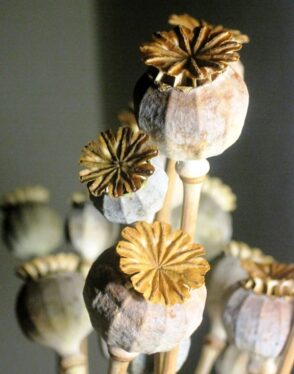
Size remains one of the strongest price drivers. Larger pods require longer growing time and ideal cultivation conditions. Florists prefer uniform stems with intact crowns and minimal cracking. Pods with consistent color, strong stems, and minimal breakage often carry premium pricing.
Color also influences value. Natural tones range from light tan to deep gray-brown. Some sellers offer bleached or dyed pods, which may cost more due to additional processing.
Supply and Seasonal Availability
Agricultural cycles affect dried poppy pods price fluctuations. Farmers harvest pods after the flowering season, then dry and prepare them for distribution. Limited harvest yields or regulatory restrictions in producing regions can reduce supply and increase prices.
Weather conditions also impact production. Poor growing seasons can shrink available inventory, pushing decorative market prices upward. Conversely, strong harvests may stabilize or lower costs.
Geographic Location and Shipping
Shipping plays a major role in final cost. Because dried poppy pods are lightweight but fragile, sellers must package them carefully to prevent breakage. International shipping, customs inspections, and phytosanitary documentation can raise expenses for both sellers and buyers.
Buyers should also consider regional regulations. In some areas, possession of Papaver somniferum pods may fall under controlled plant material laws. Legal uncertainty can influence availability, which in turn affects pricing in certain markets.
Wholesale vs. Retail Pricing
Floral designers and craft businesses often purchase dried poppy pods at wholesale rates. Wholesale suppliers typically require minimum order quantities but offer lower per-stem costs. Retail buyers purchasing small decorative bundles usually pay higher markups due to packaging, branding, and marketplace fees.
Online platforms may show significant price variation for similar-looking products. Shoppers should compare:
- Stem length and diameter
- Total number of pods per bundle
- Shipping fees
- Seller reviews and return policies
Market Trends and Alternatives
Growing interest in natural and sustainable décor has increased demand for dried botanicals, including poppy pods. Social media trends featuring rustic, minimalist, and farmhouse aesthetics have also influenced pricing.
However, some buyers explore alternatives such as lotus pods, eucalyptus stems, or other dried seed heads. These options often provide similar texture without the legal considerations associated with Papaver somniferum. Availability of substitutes can influence demand and overall price stability.
Making an Informed Purchase
When evaluating dried poppy pods price listings, buyers should balance cost with legality, quality, and intended use. Decorative buyers benefit from sourcing reputable sellers who clearly describe product size, origin, and condition. Comparing multiple listings ensures fair pricing and reduces the risk of overpaying for lower-grade material.
Ultimately, dried poppy pods remain a niche decorative product. Their price reflects agricultural supply, quality grading, shipping logistics, and market demand. Understanding these variables helps buyers navigate the market with confidence and clarity.
