
- Your cart is empty
- Continue shopping
-
sales@primiumpoppypods.com
- Posted on
- Categories:Uncategorized
- 0 comments
Dried Poppy Pods Papaver somniferum for Sale — What Buyers Should Know
Search interest in dried poppy pods Papaver somniferum for sale continues to grow as more people explore natural décor and botanical collectibles. These distinctive seed heads come from Papaver somniferum, commonly known as the opium poppy. While many shoppers seek them for ornamental purposes, the plant’s legal and chemical background makes this topic more complex than it first appears.
Understanding Papaver somniferum
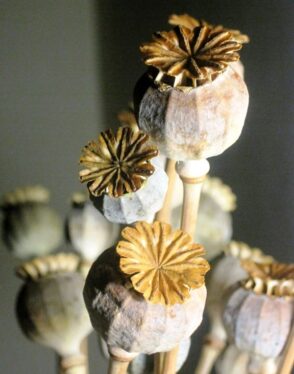
Papaver somniferum is an annual flowering plant recognized for its smooth stems, blue-green leaves, and large blooms in shades of white, pink, purple, and red. After flowering, the plant produces a rounded seed capsule topped with a disk-like crown. Growers dry these capsules to create what are known as dried poppy pods.
The same plant also produces culinary poppy seeds used in baking. However, the seed pod and the seeds themselves differ significantly in legal and chemical treatment. While cleaned poppy seeds contain negligible alkaloids and are widely sold in grocery stores, the dried pods may retain trace amounts of naturally occurring alkaloids such as morphine and codeine.
Why Dried Poppy Pods Are Sold
Vendors who offer dried poppy pods for sale typically market them for decorative use. Interior designers, florists, and craft enthusiasts value their:
- Sculptural, architectural shape
- Neutral, earthy tones
- Long shelf life
- Compatibility with dried floral arrangements
People incorporate them into farmhouse décor, seasonal wreaths, table centerpieces, and botanical displays. Because each pod varies in height and diameter, arrangements gain a natural, organic texture that artificial décor often lacks.
Legal Considerations Before Buying
Anyone researching dried poppy pods Papaver somniferum for sale must understand the legal framework in their country or state. In the United States, federal law regulates opium poppy and poppy straw under the Controlled Substances Act. Authorities may consider dried pods controlled material if they contain alkaloids and if intent to extract them is evident.
Some sellers label pods “for decorative purposes only.” However, marketing language does not automatically guarantee legality. Law enforcement agencies evaluate the plant material itself and the circumstances surrounding possession.
Regulations vary internationally. Some countries allow ornamental sales under agricultural rules, while others restrict importation or possession entirely. Buyers should verify local regulations before purchasing or importing dried poppy pods.
Health and Safety Awareness
Although dried poppy pods appear harmless as décor, consumers should never ingest them or attempt home extraction methods. Alkaloid concentrations vary widely based on growing conditions and harvest timing. This unpredictability makes any form of consumption dangerous.
Ingesting preparations made from poppy pods can result in respiratory depression, overdose, and addiction. Health authorities consistently warn against using decorative plant material for internal use. Households with children or pets should store pods out of reach and treat them strictly as ornamental items.
Buying Responsibly
If you decide to purchase dried poppy pods, take practical precautions:
- Confirm legality in your jurisdiction.
- Buy from transparent sellers who clearly state decorative intent.
- Avoid vendors that promote misuse or extraction.
- Store pods securely and use them only for display.
Dried poppy pods from Papaver somniferum offer visual appeal and botanical interest, but they also carry legal and safety considerations. Informed buyers prioritize compliance with the law and responsible use. By understanding the plant’s background and regulatory status, consumers can make safer and more educated decisions before purchasing.
