
- Your cart is empty
- Continue shopping
-
sales@primiumpoppypods.com
- Posted on
- Categories:Uncategorized
- 0 comments
Dried Poppy Pods Legal: Understanding Regulations, Risks, and Responsible Use
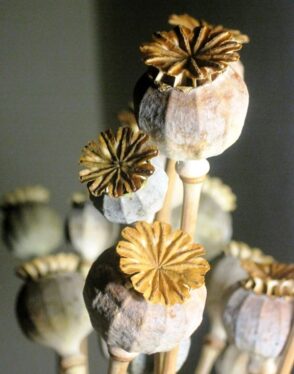
Many people ask whether dried poppy pods are legal. The answer depends largely on location, intent, and how authorities classify the plant material. Dried poppy pods come from the opium poppy, Papaver somniferum, a plant known for both ornamental beauty and its connection to controlled substances. Because of this dual identity, laws surrounding dried pods can be complex.
This article explains the legal landscape in clear, practical terms so readers can make informed decisions.
Why Legal Status Varies
Governments regulate substances derived from the opium poppy due to the presence of naturally occurring alkaloids such as morphine and codeine. While pharmaceutical companies extract and refine these compounds under strict supervision, raw plant materials may fall under different rules depending on national drug laws.
In some countries, authorities allow the sale of dried poppy pods strictly for decorative purposes. Florists, craft suppliers, and event stylists may legally sell them as ornamental dried flowers. In other regions, officials classify the pods as controlled plant material, even if they are unprocessed and intended only for display.
Because legislation differs between countries—and sometimes between states or provinces—no single answer applies worldwide.
Decorative vs. Controlled Use
The intended use plays a critical role in legal interpretation. Decorative use generally refers to:
- Floral arrangements
- Wreaths and centerpieces
- Craft projects
- Interior styling
When sellers clearly market dried pods for ornamentation, and buyers use them accordingly, the transaction may comply with local regulations where permitted.
However, laws often prohibit possession if authorities determine intent to process or extract controlled substances. Even if a product appears decorative, enforcement agencies may apply strict standards depending on jurisdiction.
For this reason, understanding local statutes matters more than relying on general online claims.
United States Overview
In the United States, federal law regulates opiate alkaloids under the Controlled Substances Act. While poppy seeds used for baking remain legal, other parts of the plant can fall into legal gray areas if they contain naturally occurring opiates.
Enforcement priorities can vary, and court cases have demonstrated that possession of large quantities may trigger legal scrutiny. Individuals considering purchase or sale should review federal and state laws carefully and consult legal professionals when necessary.
International Differences
Legal treatment differs significantly worldwide:
- Some European countries allow ornamental sales under agricultural guidelines.
- Other nations restrict importation entirely.
- Certain regions require special licenses for cultivation.
Import and export regulations also complicate matters. Even if dried poppy pods are legal in the country of origin, customs authorities may seize shipments if they violate destination laws.
Always verify regulations before ordering internationally.
Cultivation Considerations
In areas where cultivation is permitted, gardeners may grow opium poppies as ornamental plants. However, legal cultivation does not automatically authorize the sale of harvested pods. Agricultural rules, licensing requirements, and drug enforcement policies may still apply.
Before planting, individuals should confirm:
- Whether cultivation is legal
- Whether harvesting pods is restricted
- Whether selling dried pods requires permits
Local agricultural extension offices or government websites usually provide accurate guidance.
Responsible Decision-Making
Because dried poppy pods occupy a legally sensitive category, buyers and sellers should act cautiously. Avoid assumptions based on anecdotal information. Instead:
- Research local and national laws.
- Purchase only from transparent, compliant suppliers.
- Use the pods strictly for lawful decorative purposes.
Final Thoughts
The legality of dried poppy pods depends on jurisdiction, regulatory interpretation, and intended use. While many people appreciate them for their sculptural beauty, their botanical origin creates legal complexity. Careful research and responsible handling ensure compliance and reduce potential risk.
