
- Your cart is empty
- Continue shopping
-
sales@primiumpoppypods.com
- Posted on
- Categories:Uncategorized
- 0 comments
What Are Nigella Seeds? A Complete Guide to the Tiny Black Spice
If you’ve ever wondered what are nigella seeds, you’re not alone. These tiny black seeds, also known as black seed, black cumin, or kalonji, come from the plant Nigella sativa, a flowering herb native to Southwest Asia, the Middle East, and North Africa. Despite their small size, nigella seeds have a long history of culinary, medicinal, and cultural use. They offer a unique flavor, rich nutritional profile, and potential health benefits that have made them valuable for thousands of years.
Botanical Background
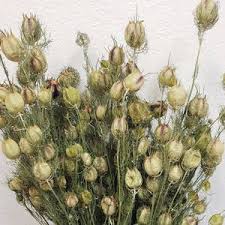
Nigella sativa belongs to the Ranunculaceae family, commonly called the buttercup family. The plant grows to about 20–30 centimeters in height and produces delicate pale blue or white flowers. After flowering, seed capsules develop, containing numerous angular black seeds. These seeds are the part most widely used for cooking, herbal remedies, and oil extraction.
Despite the nickname “black cumin,” nigella seeds are not botanically related to true cumin (Cuminum cyminum) or caraway. The name reflects their similar use as a spice and their pungent, slightly bitter flavor.
Culinary Uses
Nigella seeds are highly prized in South Asian, Middle Eastern, and Mediterranean cuisines. Their flavor combines peppery, nutty, and mildly bitter notes, with subtle hints of onion and oregano. Bakers often sprinkle them on naan, flatbreads, and pastries, while home cooks incorporate them into curries, lentils, roasted vegetables, and pickles.
Lightly toasting nigella seeds intensifies their aroma and reduces bitterness, making them more fragrant and flavorful. Because of their strong taste, recipes usually call for only small amounts.
Historical and Cultural Significance
Nigella seeds have been used for thousands of years in both food and medicine. Archaeological evidence shows their presence in ancient Egyptian tombs, including the burial site of Pharaoh Tutankhamun. Traditional medical systems such as Islamic medicine, Ayurveda, and Unani medicine have long incorporated nigella seeds to support digestion, respiratory health, and overall wellness.
Knowledge of their uses has been passed down through generations, embedding nigella seeds deeply into culinary and medicinal traditions. Families often used the seeds not just for flavor but also for natural remedies in everyday life.
Nutritional and Bioactive Compounds
Nigella seeds contain several bioactive compounds, including thymoquinone, alkaloids, flavonoids, and antioxidants. Thymoquinone is the most studied component, known for its anti-inflammatory and antioxidant properties. The seeds also contain essential fatty acids such as linoleic and oleic acids, as well as minerals, which contribute to their nutritional and therapeutic value.
Modern Uses
Today, nigella seeds are available as whole seeds, ground spice, or as cold-pressed black seed oil. They are used in cooking, baking, herbal remedies, and dietary supplements. Their long shelf life, unique flavor, and potential health benefits make them versatile for both culinary and wellness applications.
Conclusion
So, what are nigella seeds? They are small yet powerful seeds with a rich history, distinctive flavor, and multiple health-promoting properties. From traditional kitchens to modern wellness routines, nigella seeds continue to bridge centuries of culinary and medicinal knowledge, making them an enduring ingredient in homes worldwide.
