
- Your cart is empty
- Continue shopping
-
sales@primiumpoppypods.com
- Posted on
- Categories:Uncategorized
- 0 comments
Nigella Poppy Pods: Beauty, Botany, and Uses Explained
Nigella poppy pods are a favorite in gardens, floral arrangements, and dried crafts—but despite the common name, they are not true poppies. These distinctive pods come from Nigella damascena, commonly known as love-in-a-mist, a flowering annual prized for both its delicate blooms and its architectural seed heads. Understanding what Nigella pods are (and are not) helps gardeners and designers appreciate their value without confusion.
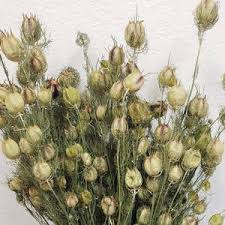
Not a True Poppy
The term “poppy pod” is often applied loosely to any rounded seed capsule, but botanically speaking, Nigella belongs to the Ranunculaceae (buttercup) family, not the poppy family (Papaveraceae). True poppy pods—such as those of Papaver somniferum—are structurally and chemically different and subject to legal controls in many regions. Nigella pods, by contrast, are completely ornamental and widely cultivated with no legal restrictions.
The Structure of Nigella Pods
After Nigella’s airy blue, white, or pale pink flowers fade, they form inflated, balloon-like seed capsules. These pods are composed of multiple fused carpels, giving them a ribbed, geometric appearance. As they mature, the pods turn from green to tan or brown, becoming lightweight yet sturdy—ideal for drying.
Inside are numerous small black seeds. While related species such as Nigella sativa produce seeds used as a culinary spice (often called black cumin or kalonji), Nigella damascena seeds are generally grown for ornamental rather than culinary purposes.
Ornamental and Decorative Uses
Nigella poppy pods are especially popular in floral design. Fresh, they add texture and whimsy to garden bouquets. Dried, they are valued for their long-lasting form and neutral color, making them a staple in wreaths, dried arrangements, and minimalist decor. Their sculptural shape pairs well with grasses, eucalyptus, and other dried botanicals.
Gardeners appreciate Nigella for its versatility. The plant grows easily from seed, thrives in full sun, and self-seeds readily without becoming invasive. Pods can be harvested at different stages depending on whether a greener or fully dried look is desired.
Cultural and Symbolic Appeal
Historically, love-in-a-mist has carried romantic symbolism. In Victorian flower language, Nigella represented bonds of love and perplexity—perhaps inspired by the way its flowers appear nestled within a mist of fine foliage. The pods extend that symbolism, often used in arrangements meant to suggest mystery, endurance, or natural elegance.
Growing and Harvesting Tips
To produce strong pods, allow plants to mature fully before cutting. For drying, harvest when pods feel firm and begin to lose their green hue. Hang them upside down in a dry, well-ventilated space, or lay them flat until fully cured.
In Summary
Nigella poppy pods are a striking example of how common names can mislead while still capturing imagination. Though not true poppies, they offer beauty, ease of cultivation, and exceptional decorative value—earning their place in both gardens and design studios worldwide.
