
- Your cart is empty
- Continue shopping
-
sales@primiumpoppypods.com
- Posted on
- Categories:Uncategorized
- 0 comments
Nigella Pods: Structure, Uses, and Decorative Appeal
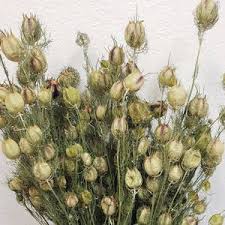
Nigella pods are one of the most distinctive and visually appealing seed structures found in ornamental plants. Produced primarily by Nigella damascena, commonly known as Love-in-a-Mist, these pods form after the plant’s delicate flowers fade. Although gardeners often focus on nigella’s soft blooms, the seed pods extend the plant’s value well beyond flowering. As a result, nigella pods attract interest from gardeners, botanists, and craft enthusiasts alike.
Botanical Structure and Development
Nigella pods develop as the plant completes its flowering stage. Once pollination occurs, the flower’s central ovary expands and gradually transforms into an inflated capsule. This capsule consists of several fused chambers, each containing numerous small black seeds. During early development, the pod appears green and tender. However, as the plant matures, it dries and hardens while retaining its distinctive ridged and geometric form.
The pod’s structure serves a functional purpose. By enclosing the seeds within a protective shell, the plant ensures proper seed maturation and dispersal. Eventually, the pod splits at the top, releasing seeds when environmental conditions favor germination. Consequently, nigella easily self-seeds in suitable gardens.
Harvesting and Preservation
Gardeners who wish to collect nigella pods usually harvest them just before they fully open. At this stage, the stems feel dry, and the pods have turned pale green or light brown. After cutting, growers typically hang the stems upside down in a dry, well-ventilated space. Over time, the pods fully dry and become firm enough for storage or decorative use.
Proper drying preserves both the shape and durability of the pods. Moreover, careful handling prevents premature splitting, which could release seeds too early. Once dried, nigella pods remain stable for months or even years when stored in dry conditions.
Decorative and Practical Uses
Beyond their botanical role, nigella pods have gained popularity in decorative applications. Florists frequently incorporate them into dried flower arrangements, where their sculptural shape adds structure and contrast. Because the pods feature neutral tones, they complement a wide range of design styles, from rustic to contemporary.
Additionally, designers use nigella pods in wreaths, garlands, and seasonal displays. Their lightweight nature makes them easy to wire or glue into place. Some artisans also paint or gild the pods to match specific color schemes, thereby enhancing their visual impact without altering their form.
From a practical perspective, the pods also serve as a seed source for future planting. Gardeners often save seeds from healthy plants to sow in subsequent seasons, ensuring continuity in their gardens.
Cultural and Garden Value
Nigella pods contribute to the plant’s enduring popularity in ornamental gardening. While the flowers offer short-lived beauty, the pods provide long-term interest. Therefore, nigella plants deliver value across multiple stages of growth, from bloom to seed.
Conclusion
In summary, nigella pods represent a unique intersection of function and beauty. Their intricate structure protects seeds, supports natural regeneration, and offers decorative potential long after flowering ends. Consequently, whether appreciated for botanical study, garden sustainability, or creative design, nigella pods remain a compelling feature of this versatile plant.
