
- Your cart is empty
- Continue shopping
-
sales@primiumpoppypods.com
- Posted on
- Categories:Uncategorized
- 0 comments
Nigella Plant: Characteristics, Uses, and Lasting Importance
The nigella plant holds a unique position in both ornamental horticulture and traditional agriculture. As a member of the genus Nigella within the buttercup family (Ranunculaceae), it originates from southern Europe, North Africa, and Southwest Asia. Although the plant appears delicate, it demonstrates impressive adaptability and long-term cultural significance. Consequently, nigella continues to attract gardeners, cooks, and researchers alike.
Botanical Characteristics
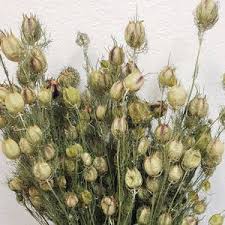
In general, nigella plants grow between 20 and 60 centimeters tall and display finely divided, thread-like leaves. As a result, the foliage gives the plant a light, feathery appearance that sets it apart from many annuals. Moreover, the leaves often surround the flowers, creating a layered and textured visual effect.
The plant produces solitary flowers with petal-like sepals, typically in shades of blue, white, or soft purple. In addition, a prominent central cluster of stamens adds visual contrast. After flowering, nigella develops an inflated seed capsule made up of several fused pods. Consequently, these capsules protect numerous small black seeds, particularly in Nigella sativa. Because nigella completes its entire life cycle within one growing season, gardeners find it easy to manage and rotate in planting plans.
Culinary and Medicinal Uses
Among the species, Nigella sativa stands out for its culinary and traditional value. For example, its seeds—commonly known as black cumin or black seed—play an important role in Middle Eastern, South Asian, and North African cuisines. Cooks often sprinkle the seeds on bread or blend them into spice mixes. Additionally, the seeds provide a slightly bitter, peppery flavor with subtle aromatic notes.
Beyond the kitchen, traditional medical systems such as Ayurveda and Unani have long recognized nigella seeds for their supportive properties. Historically, practitioners associated the seeds with digestive, respiratory, and immune support. Today, modern research continues to examine these claims. In particular, scientists study compounds such as thymoquinone, which contribute to the seed’s biological activity. However, these uses apply only to Nigella sativa seeds, not to ornamental species.
Ornamental Value in Gardening
In contrast to N. sativa, gardeners grow Nigella damascena, or Love-in-a-Mist, mainly for visual appeal. Its delicate flowers and lacy foliage make it especially suitable for cottage gardens, borders, and wildflower meadows. Furthermore, designers often use nigella to soften structured layouts or add movement among denser plants.
Nigella thrives in full sun and prefers well-drained soil. Therefore, gardeners usually sow seeds directly into the ground, since the plant develops a taproot early. Once established, nigella tolerates dry conditions and requires little maintenance. As a result, it readily self-seeds and returns in subsequent seasons.
Cultural and Historical Significance
Historically, nigella has carried symbolic and practical importance. For instance, Victorian flower symbolism associated Love-in-a-Mist with mystery and emotional complexity. Additionally, archaeologists have discovered Nigella sativa seeds in ancient Egyptian tombs, demonstrating the plant’s long-standing value.
Conclusion
In summary, the nigella plant offers an exceptional blend of beauty, usefulness, and historical depth. Whether grown for seeds, admired for flowers, or studied for its bioactive compounds, nigella continues to prove its relevance. Therefore, its adaptability and multifaceted value ensure a lasting presence in gardens, kitchens, and cultural traditions worldwide.
