
- Your cart is empty
- Continue shopping
-
sales@primiumpoppypods.com
- Posted on
- Categories:Uncategorized
- 0 comments
Nigella Flowers: Botanical Elegance with History and Garden Appeal
Nigella flowers stand out for their refined beauty, straightforward cultivation, and long-standing cultural relevance. The genus Nigella, part of the buttercup family (Ranunculaceae), originates from southern Europe, North Africa, and Southwest Asia. Although these annual flowers appear delicate, they bring resilience, charm, and historical depth to ornamental gardens.
Botanical Characteristics
The most widely cultivated ornamental species, Nigella damascena, goes by the poetic name Love-in-a-Mist. This nickname reflects the plant’s most recognizable feature: finely cut, thread-like foliage that surrounds each bloom in a soft, cloudlike frame. Plants typically reach heights of 20 to 50 centimeters and grow with a light, upright form.
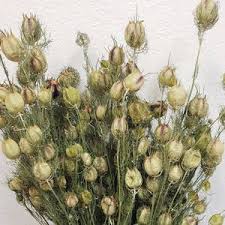
Nigella flowers most often bloom in pale blue, though gardeners also favor white, pink, and lavender cultivars. The blooms display petal-like sepals that encircle a bold central cluster of stamens and fused carpels. This structure gives the flower both delicacy and architectural interest. After blooming, the plant produces an inflated seed pod that adds visual interest and dries beautifully for decorative use.
Cultivation and Garden Value
Gardeners appreciate nigella flowers for their adaptability and low-maintenance nature. These plants thrive in full sun and prefer well-drained soil, including sandy or nutrient-poor conditions. Because nigella develops a taproot early, direct sowing produces the best results. Gardeners usually sow seeds in spring or early autumn, depending on climate.
Once established, nigella plants tolerate dry conditions and rarely suffer from serious pest or disease problems. They also self-seed readily, allowing them to return year after year without much effort. Designers often include nigella in cottage gardens, informal borders, and wildflower meadows, where the plant’s airy foliage contrasts effectively with bolder, heavier forms.
Relationship to Other Nigella Species
While gardeners grow Nigella damascena for ornamental purposes, Nigella sativa serves a very different role. Farmers cultivate this species for its aromatic seeds, commonly known as black cumin or black seed. These seeds play an important role in Middle Eastern, South Asian, and North African cuisines. Although both plants belong to the same genus, ornamental nigella flowers do not serve culinary or medicinal uses.
Cultural and Symbolic Meaning
Nigella flowers carry rich symbolic associations. During the Victorian era, Love-in-a-Mist symbolized perplexity and emotional entanglement, a meaning inspired by the bloom’s enclosed appearance. Many cultures also associate nigella with mystery, intimacy, and fleeting beauty, reflecting the plant’s short flowering period and delicate form.
Conclusion
Nigella flowers combine visual refinement, botanical interest, and cultural meaning in a single, graceful plant. Their ease of growth, distinctive structure, and symbolic depth continue to attract gardeners and plant enthusiasts alike. Whether growing in a wildflower meadow or a curated border, nigella flowers offer lasting appeal through simplicity, elegance, and quiet resilience.
