
- Your cart is empty
- Continue shopping
-
sales@primiumpoppypods.com
- Posted on
- Categories:Uncategorized
- 0 comments
Nigella: Botanical Heritage, Cultivation, and Contemporary Relevance
Nigella is a small but distinctive genus of flowering plants in the buttercup family (Ranunculaceae). Gardeners and botanists most commonly recognize it through Nigella damascena, known as love-in-a-mist. Native to southern Europe, North Africa, and southwest Asia, Nigella has played a role in gardens, kitchens, and cultural traditions for centuries. Today, it holds a unique position at the intersection of horticulture, culinary history, and botanical design.
Botanical Characteristics
Nigella plants grow as annuals with finely divided, thread-like foliage that creates a soft, misty frame around the flowers. This delicate leaf structure gives rise to the common name “love-in-a-mist.” The plants produce star-shaped flowers in shades of blue, white, pink, and pale purple. Fine bracts surround the blooms and enhance their intricate appearance.
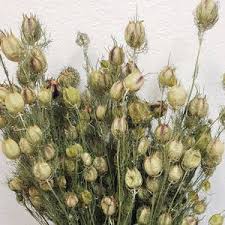
After flowering, the plant develops distinctive seed capsules formed from fused carpels. These inflated pods contain numerous small black seeds and become increasingly prominent as the petals fall away. Gardeners often value the pods as much as the flowers, especially once the capsules mature and dry.
Cultivation and Growing Conditions
Gardeners prize Nigella for its ease of cultivation and adaptability. The plant grows best in full sun to partial shade and prefers well-drained soil with moderate fertility. As a cool-season annual, Nigella performs best when gardeners sow seeds directly outdoors in early spring or autumn. Because the plant forms a delicate taproot, it does not tolerate transplanting well.
Once established, Nigella requires minimal maintenance. The plant tolerates dry conditions and rarely attracts serious pests or diseases. It readily self-seeds, allowing new plants to emerge naturally in subsequent seasons. This habit contributes to its relaxed, cottage-garden character.
Culinary and Traditional Uses
In addition to its ornamental value, Nigella has a long culinary and medicinal history, particularly through Nigella sativa, commonly known as black cumin or black seed. Cooks use the seeds for their warm, slightly bitter flavor, especially in Middle Eastern, South Asian, and Mediterranean cuisines. Bakers often sprinkle the seeds on bread, flatbreads, and savory pastries.
Traditional healing systems have long valued these seeds for their perceived digestive and immune-supporting qualities. While modern research continues to examine these properties, historical records clearly document the plant’s cultural importance.
Nigella in Design and Decorative Arts
Floral designers value Nigella for both its fresh flowers and mature seed pods. The blooms add airiness and movement to arrangements, while the pods introduce structure and texture. Designers often incorporate Nigella into dried floral work, wreaths, and botanical installations that emphasize natural form and sustainability.
Artists and educators also use the pods in craft projects and teaching displays to illustrate the plant’s full life cycle.
Symbolism and Cultural Meaning
Throughout history, Nigella has symbolized love, mystery, and protection. Victorian flower language associated love-in-a-mist with hidden affection and intrigue, reflecting the way foliage partially veils the flower. This symbolism continues to shape the plant’s appeal today.
Conclusion
Nigella combines botanical interest, ease of growth, culinary relevance, and decorative versatility. Its distinctive form and rich cultural history ensure its continued popularity among gardeners, designers, and plant enthusiasts who value plants with both beauty and meaning.
