
- Your cart is empty
- Continue shopping
-
sales@primiumpoppypods.com
- Posted on
- Categories:Uncategorized
- 0 comments
Dried Floral Arrangements: Timeless Design with Botanical Integrity
Dried floral arrangements have evolved from simple preservation methods into a refined design discipline that bridges floristry, interior décor, and botanical art. Valued for their longevity, texture, and natural elegance, dried flowers offer an enduring alternative to fresh blooms while maintaining a strong connection to seasonal and sustainable design principles.
The Botanical Basis of Drying Flowers
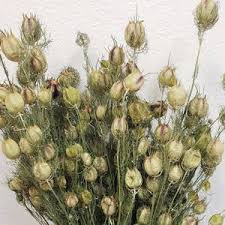
The success of dried floral arrangements begins with an understanding of plant structure and moisture content. Flowers and seed heads with sturdy stems, low sap levels, or naturally papery petals dry most effectively. Popular botanical materials include grasses, strawflowers, statice, eucalyptus, lunaria, hydrangea, and various seed pods. These species retain form and color when moisture is removed slowly and evenly.
Air-drying is the most traditional method, typically done in a dark, well-ventilated space to minimize fading. Other techniques such as silica drying, pressing, and glycerin preservation are used selectively depending on the desired texture and flexibility. Each method influences the final appearance and durability of the material.
Design Principles in Dried Arrangements
Unlike fresh arrangements, dried floral design emphasizes structure, line, and negative space over fullness and fragrance. Because dried materials are static and long-lasting, composition must be intentional and balanced from the outset. Designers often focus on contrast—pairing soft elements like grasses with rigid seed heads or pods to create visual interest.
Color palettes in dried arrangements tend to be muted and earthy, though dyed or bleached materials are increasingly popular in contemporary design. Neutral tones such as beige, sage, and warm browns allow texture to take precedence, while monochromatic arrangements highlight form and rhythm.
Applications in Interior Décor
Dried floral arrangements are widely used in residential and commercial interiors due to their durability and low maintenance. Unlike fresh flowers, they do not require water, refrigeration, or frequent replacement, making them ideal for long-term installations.
Common applications include table centerpieces, mantel displays, wall-mounted installations, and large-scale floor arrangements. In hospitality and retail environments, dried florals are often chosen for their consistency and ability to maintain a curated aesthetic over time. Their natural appearance also aligns well with minimalist, rustic, and biophilic design trends.
Sustainability and Seasonal Value
One of the strongest appeals of dried floral arrangements is their sustainability. Flowers can be harvested at peak season and preserved for year-round use, reducing waste and dependence on imported fresh blooms. Many designers prioritize locally grown or garden-harvested materials, reinforcing a connection to place and season.
Dried arrangements also encourage reuse and adaptability. Components can be rearranged, refreshed, or combined with new elements, extending their lifespan and creative potential.
Care and Longevity
Proper care significantly extends the life of dried floral arrangements. They should be kept away from direct sunlight, moisture, and high humidity to prevent fading and mold. Occasional gentle dusting with a soft brush or low-pressure air helps maintain their appearance.
When stored correctly, dried floral arrangements can last for months or even years, evolving subtly over time while retaining their essential structure.
Conclusion
Dried floral arrangements represent a thoughtful intersection of botany, design, and sustainability. Through careful material selection and intentional composition, they offer timeless beauty and enduring value—proving that floral design does not need to be fleeting to be impactful.
