
- Your cart is empty
- Continue shopping
-
sales@primiumpoppypods.com
- Posted on
- Categories:Uncategorized
- 0 comments
DIY Nigella Poppy Projects: Creative Uses for Love-in-a-Mist Seed Pods
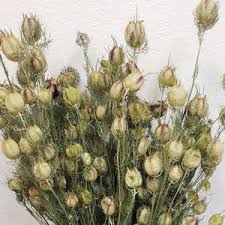
DIY Nigella poppy projects have become increasingly popular among gardeners, florists, and craft enthusiasts who value natural materials with subtle beauty. Nigella, commonly known as love-in-a-mist (Nigella damascena), produces distinctive seed pods that are both decorative and durable. These lantern-like capsules, formed after the plant’s delicate flowers fade, offer a versatile botanical resource for a wide range of handmade and design-focused applications.
Understanding Nigella Seed Pods
From a botanical perspective, Nigella seed pods are inflated, multi-chambered capsules that develop as seeds mature. As moisture evaporates, the pod dries into a lightweight but firm structure with fine ridges and a matte surface. Unlike many seed heads that become brittle, Nigella pods retain their integrity well, making them ideal for long-term decorative use.
Their naturally muted palette—soft greens, pale straw tones, and light browns—allows them to complement both rustic and modern aesthetics. Because Nigella is easy to grow, self-seeding, and low-maintenance, it is especially well suited to sustainable, garden-to-home DIY projects.
Dried Floral Arrangements
One of the most common applications for DIY Nigella poppy projects is dried floral arranging. The pods add volume and structure without overpowering other elements. Left on their stems, they provide height and gentle movement; trimmed shorter, they work as sculptural focal points in compact arrangements.
Nigella pods pair well with dried grasses, lunaria, eucalyptus, strawflowers, and other seed heads. Minimalist arrangements using only Nigella pods are also popular, highlighting form and texture over color and creating a calm, botanical presence in interior spaces.
Wreaths and Natural Home Décor
Nigella pods are particularly effective in wreath-making and natural décor. Their hollow interiors allow floral wire to pass through easily, reducing breakage during construction. When evenly spaced, the pods create rhythm and visual balance on grapevine or straw bases.
Because they are not strongly tied to a specific season, Nigella pods are often used in year-round wreaths and neutral home décor. Combined with dried herbs, wheat, or branches, they suit both traditional and contemporary interiors.
Painting, Dyeing, and Decorative Finishes
For more experimental DIY Nigella poppy projects, the pods can be dyed, painted, or finished with metallic leaf. Their slightly porous surface absorbs natural dyes and watercolor washes well, allowing for subtle color enhancement. Acrylic paints, matte finishes, or gilding can transform the pods into decorative accents for holidays, table settings, or mixed-media art.
Educational and Sensory Crafts
Nigella pods are also valuable in educational and sensory-based projects. When dry, the loose seeds inside create a gentle rattling sound, making them suitable for nature-inspired sound objects or children’s crafts. Opened pods and harvested seeds are often used symbolically in seed paper, memory jars, or intention-based art projects.
Harvesting and Preparation
Pods should be harvested once fully formed and dry, but before prolonged exposure to moisture. Air-drying in a shaded, well-ventilated area helps preserve structure and color. Properly dried pods can be stored for months in paper bags or boxes.
Conclusion
DIY Nigella poppy projects celebrate the quiet elegance of botanical materials. With their sculptural form, ease of use, and sustainable origins, Nigella seed pods offer enduring creative potential for makers who appreciate natural design and thoughtful craftsmanship.
