
- Your cart is empty
- Continue shopping
-
sales@primiumpoppypods.com
- Posted on
- Categories:Uncategorized
- 0 comments
Decorative Poppy Pods: Botanical Form, Cultural Meaning, and Design Appeal
Decorative poppy pods are among the most recognizable and visually striking seed capsules used in botanical art and interior design. Derived primarily from Papaver somniferum and related poppy species, these dried pods are valued not for their flowers, but for the sculptural seed heads that remain after petals fall. Their distinctive form—rounded capsules topped with a radiating crown-like stigma—has made them enduring symbols of nature’s geometry and refinement.
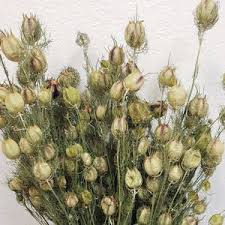
Botanically, poppy pods are dehiscent capsules designed for efficient seed dispersal. As the pod matures and dries, small pores open beneath the stigmatic disc, allowing thousands of tiny seeds to be released gradually through wind movement—a mechanism often described as a natural “salt shaker.” Once fully dried, the pod becomes rigid and lightweight, preserving its shape long after detachment from the plant. This structural integrity is a key reason poppy pods are so well suited for decorative use.
In decorative contexts, poppy pods are prized for their texture, symmetry, and muted, earthy tones. Naturally occurring colors range from pale sage and warm beige to deeper charcoal hues, depending on the variety and drying conditions. Their matte finish and architectural silhouette complement a wide range of design styles, from rustic and farmhouse aesthetics to minimalist and modern interiors. Designers frequently use them in dried floral arrangements, wreaths, table centerpieces, and seasonal displays.
The cultural significance of poppy pods adds another layer to their appeal. Historically, poppies have symbolized sleep, remembrance, fertility, and impermanence across various civilizations. While the flower itself is often associated with remembrance and sacrifice, the pod represents continuity, abundance, and containment. In art and symbolism, the pod’s seed-filled interior is frequently interpreted as a metaphor for potential and renewal.
Harvesting poppy pods for decorative purposes requires careful timing. Pods are typically collected once the plant has completed flowering and the capsule has fully matured but before it begins to split or weather excessively. The drying process is usually natural, involving air circulation in low-humidity environments to prevent mold and preserve color. Properly dried pods can retain their form for years when stored away from direct sunlight and moisture.
In contemporary markets, decorative poppy pods are widely used in floristry, craft production, and botanical installations. Their uniformity and durability make them especially attractive for large-scale arrangements and commercial décor. Artists may also drill, carve, or paint pods to create ornaments, garlands, and mixed-media pieces, further extending their decorative versatility.
It is important to note that while poppy pods are admired for their aesthetic qualities, they originate from plants with complex agricultural and regulatory histories. In decorative use, the pods are fully dried, non-viable, and valued solely for their visual and structural properties.
In conclusion, decorative poppy pods occupy a unique space at the intersection of botany, symbolism, and design. Their natural elegance, enduring form, and cultural resonance ensure their continued relevance in decorative arts and botanical appreciation.
